
Short Answer
When you think of Cuba, you might conjure images of vibrant streets, classic cars, and rhythmic salsa music. But how well do you really know this Caribbean gem? Here are some unusual facts about Cuba that reveal its hidden stories and quirks. Are you ready to challenge your perceptions of this fascinating island? Let’s dive into the depths of Cuba’s intriguing societal tapestry.
1. The Land of Many Languages
While Spanish remains the predominant language, did you know that Cuba is home to a myriad of indigenous and immigrant languages? The island has various dialects formed from neighboring regions and cultures. Afro-Cuban communities speak a blend of Spanish with African languages, while others may incorporate elements from the Taino language, the island’s original inhabitants. This linguistic kaleidoscope presents the question: Are you prepared to tackle a conversation in multiple tongues while exploring the streets of Havana?
2. The Mysterious Lake of the Lost
Located in the Zapata Swamp, you can find a lake known as “Laguna del Tesoro” or “Lake Treasure.” Legends abound about this cryptic body of water, said to conceal ancient artifacts and even the remains of pirate ships! As you contemplate its depths, one must wonder: What secrets lie beneath the surface? The lake not only plays host to stunning biodiversity but also invites intrepid explorers to uncover its enigma.
3. A Writer’s Paradise
Cuba has given the world several literary luminaries, such as Gabriel García Márquez and José Martí. Interestingly, the Cuban capital is also home to a peculiar tradition known as “The Havana Book Fair,” which takes place annually. It’s not uncommon for authors to engage in deeply intellectual discussions with curious readers in the streets during this time. Have you considered how the literary history of one nation can shape the global narrative?
4. The 1960s Time Capsule
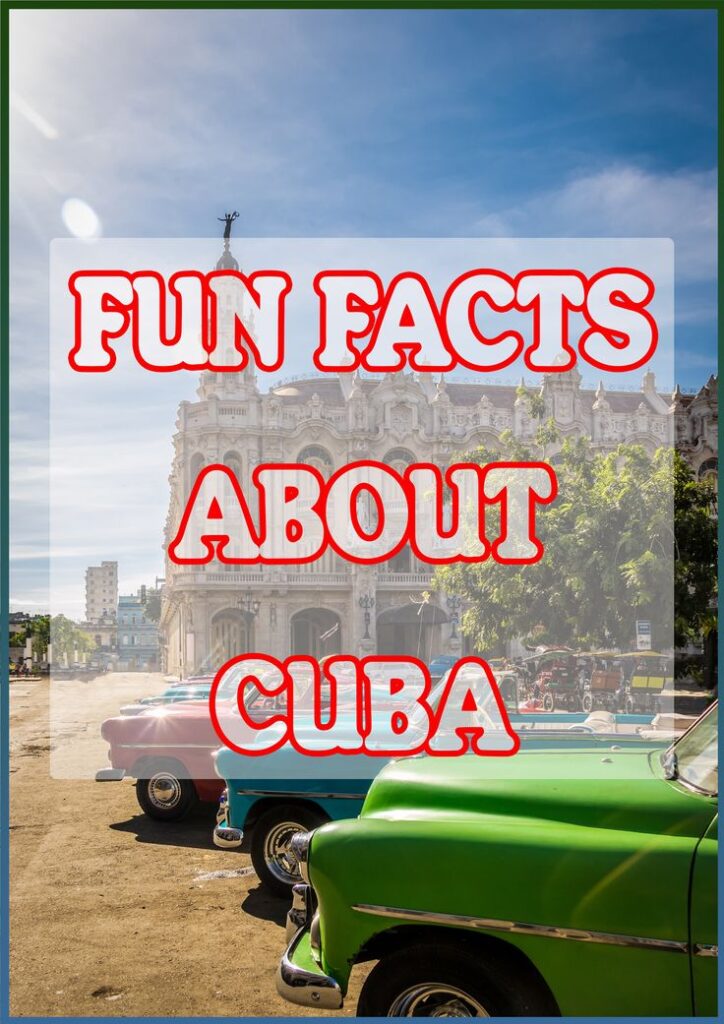
Cuba’s unique historical landscape is often likened to a time capsule, particularly frozen in the 1960s. The lack of foreign imports means that classic American cars from that era dominate the streets. You can find a 1953 Chevrolet puffing along, contrasting with modern European vehicles found in most other nations. Could this be the perfect opportunity for you to experience a bygone era firsthand?
5. Healthcare as a Right, Not a Privilege
Health care in Cuba stands out as a distinct aspect of its societal structure. The government provides comprehensive medical services to all citizens, which has resulted in impressive public health indicators that rival those of developed countries. However, the economic challenges lead to many resource limitations. How would you feel navigating a health system that prioritizes addressing needs over profits?
6. The Hidden World of the Paladares
Though state-run restaurants are the norm, the rise of “paladares,” or privately owned eateries, reflects the evolving culinary scene. Many paladares are located in the homes of local residents, offering an intimate dining experience with authentic Cuban flavor. Each meal tells a story of heritage and culture. Can you uncover your favorite palate-teasing dish while mingling with the locals?
7. A Symphony of Sounds
Cuban music, recognized for its rich rhythms and vibrant melodies, encapsulates the island’s soul. Genres like son and salsa have transcended borders, yet many are unfamiliar with the nuances of Cuban jazz. Artists like Chucho Valdés and Roberto Fonseca push the genre’s boundaries. Would you be adventurous enough to explore the lesser-known musical realms this enchanting island has to offer?
8. The Legacy of the Malecón
The Malecón, Cuba’s famed seawall, is more than just a picturesque promenade. This 8-kilometer stretch was built in the 1900s and has become a cultural symbol, a gathering place for locals to relax, share stories, and engage in vibrant social scenes. But do you know about the hidden phrases and folklore grounded in its history? Visiting the Malecón could unlock tales that intertwine past and present.
9. Birthplace of the Modern Ballet
Cuba has an extraordinary investment in the arts, particularly in ballet. The Cuban National Ballet is among the best globally, producing legendary dancers and choreographers. The roots of their distinct dance style emphasize a unique blend of classical techniques with folkloric influences. How does one reconcile the grace of ballet with the rhythmic vibrancy of cultural heritage?
10. A World Heritage Treasure Trove
Cuba boasts nine UNESCO World Heritage Sites, celebrated for their historical, cultural, and architectural significance. From the colonial charm of Old Havana to the stunning Viñales Valley, each site tells a story of Cuba’s rich and layered history. Can you envision standing amidst centuries of cultural interplay in these protected treasures?
In exploring these unusual facts about Cuba, one realizes that there is much more to this island than meets the eye. Its enigmatic character invites challenges to preconceived notions, all the while offering a rich tapestry of stories waiting to be uncovered. So, immerse yourself fully, and perhaps pose another question: What hidden gem will you discover on your journey through Cuba’s vibrant landscape?





Leave a Reply