
Short Answer
Soil, often overlooked, serves as the foundation for agriculture, ecology, and even urban development. Iowa and Illinois, two Midwestern states, are often lauded for their proficient agricultural output. However, beneath the surface, they share a remarkable array of soil characteristics and complexities that merit exploration. This article delves into the surprising soil similarities between these two states, examining variances in soil types, composition, and the implications of these properties for agriculture and the environment.
Geological Foundations
The geology underpinning Iowa and Illinois originated primarily from ancient glacial activity. During the Ice Age, massive glaciers traversed the Midwest, sculpting the landscape and depositing various soils. Both states exhibit a predominance of glacial till, which is an unsorted mixture of clay, silt, sand, and gravel left behind as glaciers receded. This foundational geology contributes to the fertility of the land, making it conducive to agriculture.
The Mollisol Dominance
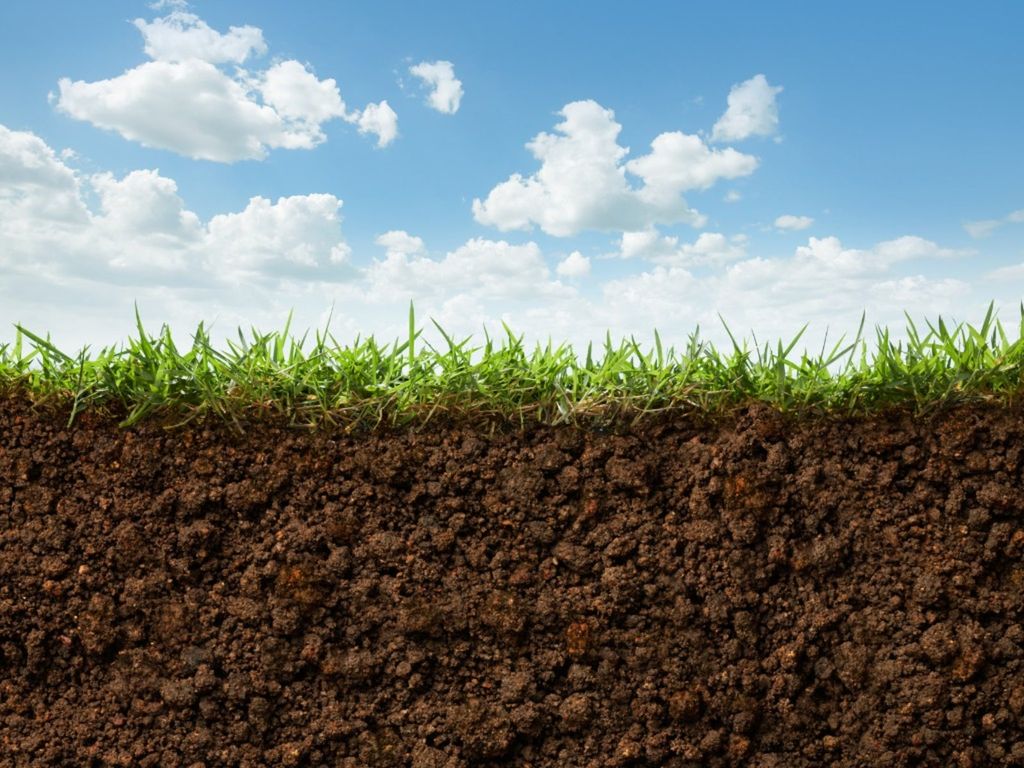
One of the most striking similarities between the soils of Iowa and Illinois lies in the prevalence of Mollisols. These are fertile, dark topsoils rich in organic matter, primarily found in temperate grassland regions. The thick, nutrient-packed A-horizon of Mollisols qualifies them as among the most agriculturally productive soil types globally.
In Iowa, approximately 45% of total land area is composed of Mollisols, predominantly in the central and western regions. Similarly, Illinois boasts around 59% of its land under this category, particularly in the fertile prairies of the northern and central parts. The chemical characteristics of both states’ Mollisols include high levels of calcium and magnesium, which contribute to exceptional agricultural yields, especially in corn and soybean production.
Soil Texture Variability
While both Iowa and Illinois feature dominant Mollisols, the specific soil textures can vary significantly within each state. Iowa exhibits a spectrum of loam, sandy loam, and silt loam, with variations influenced by local topography and water drainage capabilities. On the other hand, Illinois presents a slightly different picture; the soil texture tends to be heavier, with more clay predominating in its southern regions. This distinction showcases the nuanced geological backdrops across the states, yet both remain exceptionally fertile.
Impact of Organic Matter
Organic matter plays an indispensable role in soil health—both in Iowa and Illinois. High levels of organic carbon increase soil structure and enhance moisture retention, which are vital for plant growth. In Iowa, farmers utilize cover crops extensively to boost organic matter content, thereby ensuring soil health for future generations.
Illinois has adopted similar strategies with an emphasis on crop rotation and conservation tillage. These methods enhance soil organic content, contributing to nutrient cycling and ecological balance. Thus, both states harness organic matter to bolster their agricultural resilience, showcasing an eco-conscious approach despite the hundreds of miles separating them.
Drainage Patterns and Topography
Both Iowa and Illinois exhibit diverse drainage patterns resulting from their topography. Iowa is known for its rolling hills and varying elevations, which lead to distinct soil types depending on the water drainage. In contrast, Illinois features a slightly flatter terrain, particularly in central areas, impacting soil water retention and perhaps even agricultural practices.
The differences in drainage can lead to divergent agricultural practices; Iowa often employs contour farming to mitigate erosion, while Illinois utilizes more straightforward farming layouts due in part to its more uniform landscapes. Nevertheless, the approaches are similar in intent—the careful management of soil resources to optimize agricultural output.
Soil Erosion Challenges
Soil erosion poses a significant challenge in both states, albeit with varied intensities and causes. Iowa, with its hilly landscape, has been particularly vulnerable to erosion, especially on sloped farmland. Factors such as inadequate crop rotation and tilling practices have exacerbated soil loss over time. As a result, conservation efforts, including establishing grassed waterways and buffer strips, have been pivotal in mitigating this phenomenon.
In Illinois, erosion predominantly arises from intensive farming and monolithic cropping systems, leading to nutrient depletion. There, conservation programs have risen to address matters such as maintaining cover crops during off-seasons to curb soil erosion and improve overall soil health. Both states illustrate a shared commitment to combating these challenges even though their specific conservation strategies may differ.
Conclusion: A Unified Soil Story
Exploring the soil characteristics of Iowa and Illinois reveals a tapestry woven from glacial legacies, agricultural dominance, and evolving conservation practices. Despite geographical differences and minor soil variances, there is a striking resemblance in the composition and utility of the region’s soils. Both states epitomize the balance between mankind and nature, where the stewardship of soil remains critical. Through understanding and recognizing these similarities, farmers, ecologists, and policymakers can craft informed strategies that not only preserve but enhance the agricultural potential of these flourishing Midwestern landscapes.
FAQ
What geological activity shaped the soils of Iowa and Illinois?
The soils were primarily shaped by ancient glacial activity during the Ice Age, which left behind glacial till.
What is the impact of organic matter on soil health?
Organic matter improves soil structure, moisture retention, and nutrient cycling, vital for plant growth.





Leave a Reply