
Short Answer
Poland, a country located in Central Europe, boasts a rich tapestry of history, culture, and distinctly surprising facts that provoke curiosity and admiration alike. With its tumultuous past shaped by conflict and resilience, Poland’s cultural heritage is equally vibrant, showcasing unique traditions, customs, and contributions to global civilization. Here, we explore some interesting facts about Poland, delving into its history, culture, and certain surprising elements that make this nation a point of fascination.
1. A Nation Born from Conflict
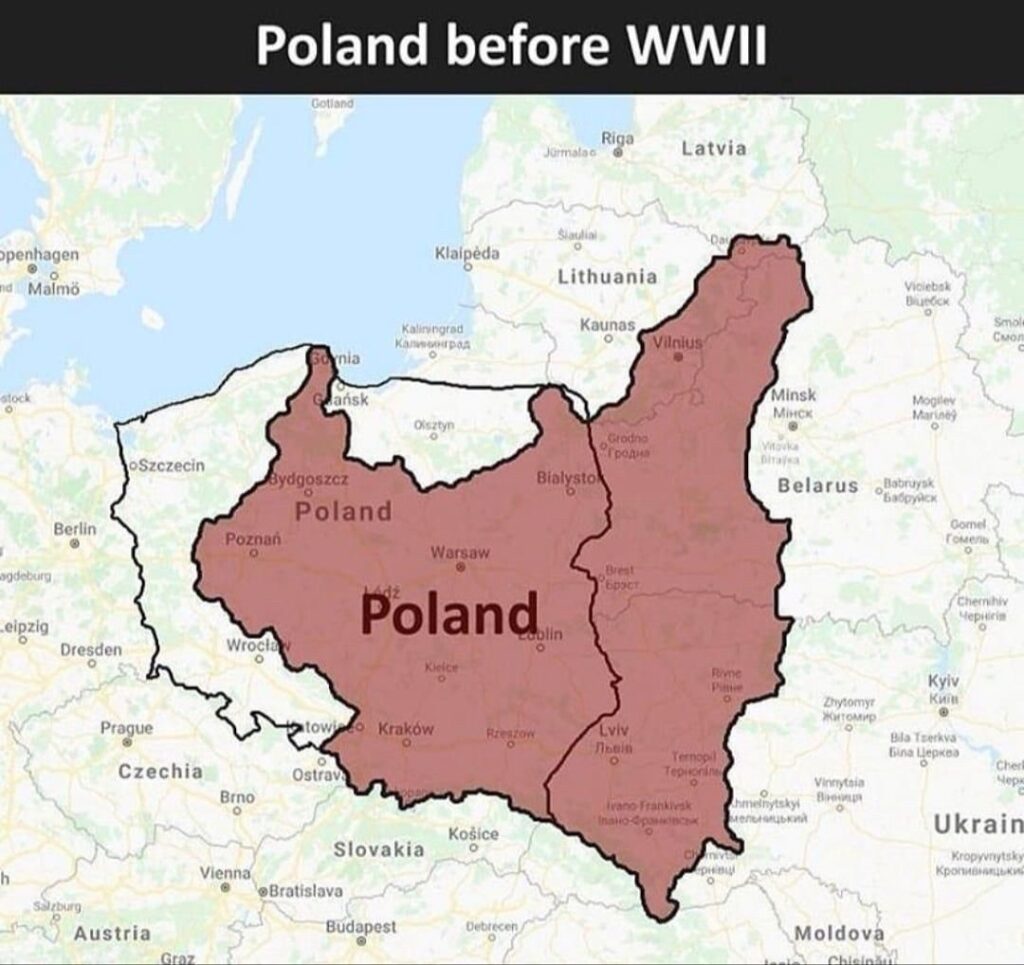
Poland’s history is marked by a series of conflicts and partitions. The country, which was once a formidable kingdom in the Middle Ages, faced numerous invasions and occupations that shaped its borders and identity. The partitions of Poland, executed in the late 18th century by Prussia, Russia, and Austria, resulted in the nation disappearing from the map for over a century. This period of invisibility fostered a strong sense of national identity among its people, underscoring Poland’s enduring spirit.
2. The Birthplace of Copernicus
Nicolaus Copernicus, the revered astronomer who formulated a heliocentric model of the universe, hails from Poland. Born in 1473 in Torun, Copernicus’s work paved the way for the Scientific Revolution. His groundbreaking ideas not only transformed astronomy but also challenged longstanding paradigms, marking a shift in the perception of humanity’s place in the universe.
3. Resilient Through Adversity
The Second World War decimated Poland, resulting in immense loss of life and cultural heritage. Over six million Polish citizens perished during the conflict. However, Poland’s resilience emerges in the form of its cultural revival post-war. The reconstruction of cities, including Warsaw, known for its historic Old Town, is a testament to the spirit and unity of the Polish people. Their dedication to preserving history while embracing modernization encapsulates the essence of Polish endurance.
4. Unique Traditions and Folklore
Polish culture is steeped in unique traditions, many of which stem from its Slavic roots. Celebrations such as Wigilia, the traditional Christmas Eve supper, are marked by specific customs, including the sharing of opłatek, a wafer symbolizing forgiveness and unity. Additionally, Poland is rich in folklore, featuring mythical creatures like the Wawel Dragon, a symbol of Krakow’s historic legacy. These traditions foster a strong sense of community and cultural identity among Poles, transcending generations.
5. Heart of Europe’s Music Scene
Poland has given birth to remarkable composers, the most notable being Frédéric Chopin. His emotive compositions continue to resonate worldwide, highlighting Poland’s significant contribution to classical music. Each year, competitions celebrating Chopin’s legacy draw pianists from across the globe, further solidifying Poland’s status as a cultural epicenter in music.
6. Language and Literature
Polish is a beautiful language with a complex grammar structure and rich vocabulary that has evolved through centuries of literary excellence. This is evidenced by the works of Nobel laureates like Wisława Szymborska and Adam Zagajewski, who reflect Poland’s cultural depth through their literature. The duality of Polish language, which retains both Slavic roots and influences from neighboring languages, is a product of its historical interactions.
7. Architectural Marvels
Poland is home to an eclectic mix of architectural styles ranging from Gothic cathedrals to Renaissance castles. One of the most significant structures is Wawel Castle in Krakow, a UNESCO World Heritage site that embodies the history and resilience of the nation. Another gem is the medieval Malbork Castle, the largest brick castle in the world, showcasing the grandeur of the Teutonic Knights who once occupied it. These architectural wonders narrate the saga of Poland’s historical and cultural significance.
8. Poland’s Natural Landscapes
Beyond its historical and cultural accolades, Poland boasts stunning natural diversity, encompassing the Tatra Mountains, dense forests, and serene lakes. The Białowieża Forest, one of Europe’s last primeval forests, is a UNESCO site recognized for its biodiversity. This harmonious blend of nature and heritage encourages both conservation and a continued appreciation for Poland’s natural wealth.
9. A Culinary Haven
Polish cuisine reflects the nation’s agricultural heritage and has roots in various cultural influences. Traditional dishes such as pierogi, stuffed dumplings filled with a variety of ingredients, and bigos, a hearty cabbage stew, provide a glimpse into Poland’s gastronomic traditions. The celebration of food extends to festivals and communal gatherings, reinforcing the cultural bonds among the Polish people.
10. An Advent of Freedom
The Solidarity movement of the 1980s catalyzed a pivotal shift in Poland’s political landscape, leading to the peaceful transition from communist rule to democracy. The profound tenacity of the Polish population, epitomized by the leadership of figures like Lech Wałęsa, became an inspiration for movements advocating for freedom across Eastern Europe. Poland’s journey towards democracy underscores the resilience and commitment of its citizens toward a better future.
11. The Upsurge of Modernity
Today, Poland stands as a dynamic member of the European Union, reflecting both modernity and tradition. Vibrant cities like Warsaw and Gdańsk showcase a blend of contemporary architecture and historical elements. The flourishing tech and startup scene, alongside a commitment to education and innovation, positions Poland as a rising player on the global stage.
In conclusion, Poland is a nation with a remarkable history and a rich culture. The interplay between its past and present fosters an abiding fascination that transcends borders. Through its resilience, artistic contributions, unique traditions, and stunning landscapes, Poland continues to captivate the imaginations of those who seek to uncover its myriad stories. The journey through Poland’s heritage is not merely educational; it is an exploration of a resilient spirit that invites admiration and respect.
FAQ
What are some interesting historical facts about Poland?
Poland has a rich history marked by partitions, invasions, and a strong sense of national identity.
Who are notable Polish figures in science?
Nicolaus Copernicus is a prominent figure, known for his heliocentric model of the universe.
What are some traditional Polish customs?
Wigilia, the Christmas Eve supper, and various folklore traditions are significant aspects of Polish culture.



Leave a Reply