
Short Answer
Rome, often dubbed the “Eternal City,” is a living testament to the passage of time, a vibrant tapestry woven from the threads of ancient history and modern existence. Its cobbled streets whisper tales of emperors and gladiators, while its majestic architecture stands as a celebration of human ingenuity. Herein lies a compendium of captivating tidbits about Rome, intertwining ancient narratives with the wonders that allure millions each year.
1. The Historical Palimpsest of the Colosseum
The Colosseum, or Flavian Amphitheatre, is not just an astounding architectural feat; it is a palimpsest of Roman history. Completed in 80 AD, this arena housed sanguinary contests of gladiatorial combat, enthralling citizens who gathered to partake in the spectacle. But beneath its battered exterior—scarred by time and earthquakes—lies the story of a masterpiece of engineering. Its complex system of vaults and arches, inspired by the desires of Flavian emperors, encapsulates the essence of Roman grandeur.
2. Pantheon’s Ingenious Dome
As if a celestial orb had embraced the ground, the Pantheon’s dome remains one of the most ingenious constructions of ancient Rome. Built around 126 AD, this architectural marvel features a central opening, or oculus, that allows sunlight to dapple the interiors in a divine play of light. The oculus serves not just as illumination but also as a symbolic connection between mortals and the pantheon of gods above. The structure’s stunning proportions and innovative use of concrete speak volumes of Roman engineering prowess, evoking awe in all who pass beneath its carefully designed arch.
3. The Origins of the Term ‘Vandal’
The term “vandalism” finds its roots in the historical narrative of the Vandals, a Germanic tribe that sacked Rome in the 5th century AD. This act of destruction, a metaphorical tearing at the fabric of civilization, left a permanent mark on cultural lexicon. Ironically, the remnants of Roman art and architecture, painstakingly preserved throughout the ages, underscore the resilience of human creativity amidst turmoil.
4. The Allure of Trastevere
Nestled across the Tiber River, the district of Trastevere pulses with a unique vitality, contrasting sharply with Rome’s grandiose landmarks. Its narrow cobbled streets, adorned with vibrant bougainvillea, evoke the charm of a rustic village. This district was historically a haven for artists and artisans, and today, it is a sanctuary for those seeking culinary delights and lively piazzas. Trastevere stands as a metaphor for Rome’s multifaceted identity—a blend of the ancient and the avant-garde.
5. A City of Fountains
Rome boasts over 1,500 fountains, each a unique tableau narrating its own story. The most famous, the Trevi Fountain, embodies the Baroque exuberance of the 18th century. Legend has it that tossing a coin into its waters ensures a return to Rome—a testament to the city’s magnetic allure. More than mere decorative elements, these fountains functioned historically as symbols of the city’s abundant aqueduct system, which transformed urban living and showcased Roman engineering feats. Each fountain is an echo of the past, inviting reflections on the intersection of art and utility.
6. The Vatican City: A State Within a City
As the epicenter of the Roman Catholic Church, Vatican City is the world’s smallest independent state, both in area and population. Within its sovereign boundaries lies St. Peter’s Basilica, an architectural marvel housing Michelangelo’s Pietà. The Vatican reflects the grandeur of religious conviction interlaced with power dynamics throughout history. Stepping inside is akin to walking through the annals of faith, art, and governance, making it a pilgrimage destination of profound significance.
7. The Roman Forum: The Heart of Ancient Life
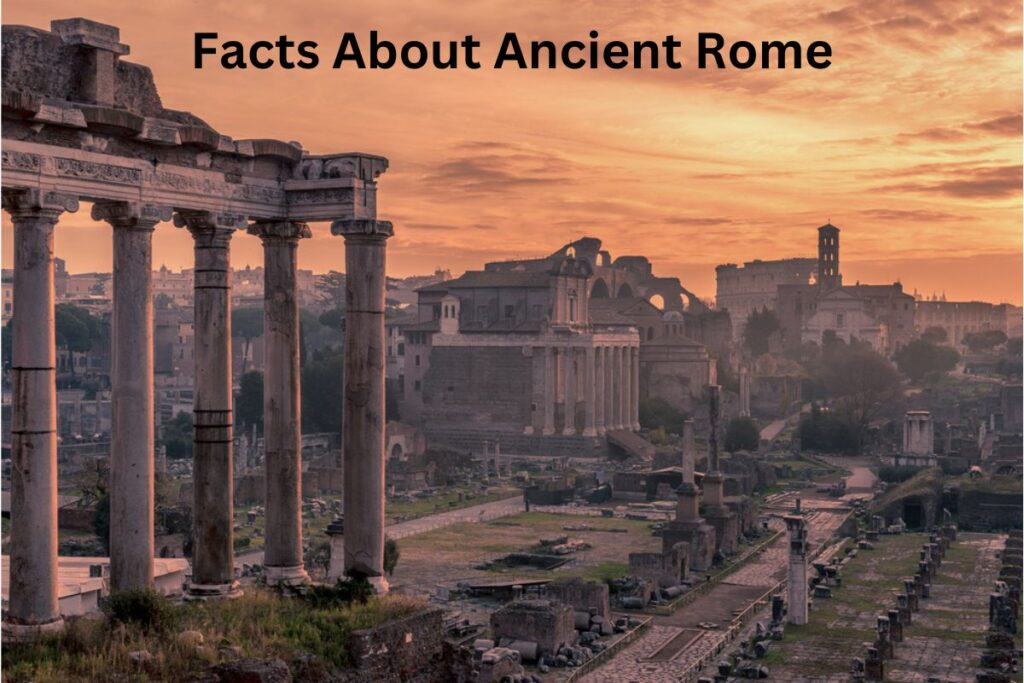
The Roman Forum, once the nucleus of Roman political and social life, is now an evocative archaeological site where the past echoes through the crumbling remains of temples, basilicas, and marketplaces. Wandering through this historic area evokes the bustling heart of a civilization at its zenith. Senators and citizens mingled amid the grandeur—decisions shaping empires were made here, and the forum serves as an enduring metaphor for the intertwined destinies of governance and society.
8. The Cultural Melting Pot of Cuisine
Roman cuisine is a delectable microcosm of the city’s diverse history and cultural influences. From the rustic pasta dishes like cacio e pepe to the sumptuous supplì, with its rich filling of rice and mozzarella, the culinary offerings reflect a fusion of flavors shaped by centuries of trade, conquest, and migration. Each dish is not merely sustenance but a narrative steeped in tradition, a celebration of communal life, and a testimony to the city’s gastronomic heritage.
9. The Grandeur of Villa Borghese
This sprawling landscape park, Villa Borghese, showcases the interplay between nature and human artistry. Originally commissioned by Cardinal Scipione Borghese in the early 17th century, the gardens are home to several museums, fountains, and sculptures. Strolling through the manicured pathways invites an intimate communion with both history and beauty, transforming the mundane into a reverie of enchantment. Villa Borghese symbolizes the Roman belief in the reconciliation of nature with architectural splendor.
10. ‘The Eternal City’ Metaphor
Rome’s moniker as ‘The Eternal City’ is not merely poetic; it encapsulates the essence of a civilization that has withstood the tests of time. Each layer of history, each new architectonic endeavor, has added depth to this remarkable city. As the sun sets behind the ancient ruins and casts long shadows, one begins to grasp why the city continues to captivate the hearts and minds of visitors. Rome is a living chronicle—a constant reinvention of itself, embodying the timeless spirit of resilience, creativity, and unyielding passion for life.
In conclusion, the less-traveled alleys and majestic monuments of Rome beckon explorers to delve deeper than mere sightseeing. With each step, the city reveals its essence—an eternal wonder woven through ancient stories, unearthing relics of the past, and vibrant life resonating in the present.
FAQ
What is the significance of the Colosseum in Roman history?
The Colosseum, completed in 80 AD, was an arena for gladiatorial contests and symbolizes Roman engineering and architectural prowess.
Why is Rome referred to as 'The Eternal City'?
Rome’s rich history, architectural marvels, and continuous cultural significance lead to its nickname, reflecting its timeless appeal.



Leave a Reply