
Short Answer
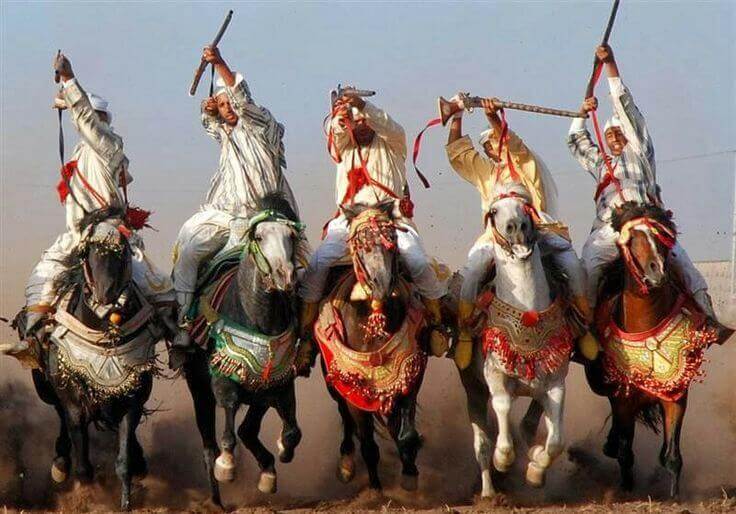
Morocco, a captivating gem in North Africa, is renowned for its rich cultural tapestry, vibrant colors, and delightful surprises. This country boasts a unique blend of traditions that reflect an amalgamation of Berber, Arab, and French influences. As you traverse its varied landscapes, you will encounter a plethora of fascinating facts that offer profound insight into the Moroccan way of life. Here are some compelling details about this remarkable nation.
1. A Mosaic of Cultures
Morocco is often heralded as a cultural melting pot. With a history influenced by indigenous Berbers, Arab conquerors, and later French colonialists, the country showcases a diverse cultural mosaic. The integration of these varied traditions gives rise to a vibrant society where multiple languages coalesce, including Arabic, Berber, and French. On the streets, one can hear the sound of musicians blending traditional Amazigh sounds with contemporary genres, creating a rich audio tapestry that captures the essence of Morocco.
2. The Colorful Medinas
Medinas, or old towns, are vibrant marketplaces characterized by their labyrinthine alleyways and stunning architecture. The medina of Marrakech, for instance, is famous for its intriguing fusion of colors, where the earthy tones of clay buildings juxtapose the vivid hues of textiles and ceramics. Each color has its meaning: blues symbolize tranquility, while reds denote passion. The mesmerizing display of colors attracts visitors and reflects the cultural heritage of the local artisans.
3. Culinary Artistry
Moroccan cuisine is a delightful surprise for the palate, emphasizing the use of spices that are integral to the country’s culinary identity. Dishes like tagine, a slow-cooked stew usually served with meat, vegetables, and aromatic spices, exhibit layers of flavors. Couscous, considered the national dish, is often served during celebrations and family gatherings. Food in Morocco is more than sustenance; it is a communal experience. Hospitality is of utmost importance, with elaborate meals symbolizing generosity and warmth, leaving a lasting impression on guests.
4. Celebrations and Festivals
Morocco is home to a myriad of festivals that reflect its cultural diversity. The most notable is the Marrakech Popular Arts Festival, which showcases a vibrant display of music, dance, and traditional arts. Equally prominent is the Fes Festival of World Sacred Music, where artists from around the globe converge to celebrate spirituality through music. These festivals serve as a testament to Morocco’s dynamic cultural scene and reinforce communal bonds, with both locals and visitors participating enthusiastically.
5. Architecture: A Testament to History
Moroccan architecture is a fascinating blend of styles that narrate the story of the country’s history. The iconic riads—traditional Moroccan houses with gardens or courtyards at their center—are adorned with intricate tilework and exquisite wood carvings. The Koutoubia Mosque, an emblem of Marrakech, boasts a striking minaret that stands as a historical landmark. The architectural diversity, from grand palaces to quaint village homes, showcases the artistic heritage and craftsmanship of Moroccan artisans.
6. The Sahara: A Natural Wonder
The Sahara Desert, spanning much of Morocco’s southeastern territory, is a breathtaking natural wonder. This vast expanse of golden sand dunes evokes a sense of otherworldly beauty. The Erg Chebbi dunes are particularly famous, attracting adventurous souls keen to experience camel trekking and stargazing under the unblemished night sky. The desert is not just a landscape; it is a source of inspiration, a habitat for resilient flora and fauna, and a backdrop for stories passed down through generations.
7. Traditional Clothing: A Celebration of Identity
Moroccan traditional clothing reflects the country’s cultural heritage and is a dynamic aspect of its identity. The djellaba, a long, loose-fitting robe, is a staple for both genders and is often made from local fabrics in vibrant colors. For special occasions, particularly weddings, women don the elaborate caftan, adorned with intricate embroidery and embellishments. Each region boasts its unique styles, offering a visual treat that celebrates the artistry of Moroccan craftsmanship.
8. Berber Influence
The Berber community, one of the oldest in Morocco, has significantly contributed to the country’s identity. Their language, Tamazight, is officially recognized, and their culture influences many aspects of Moroccan life. Traditional Berber crafts, such as weaving, pottery, and jewelry making, are highly valued. Artistic expressions in Berber culture, such as handwoven rugs adorned with vibrant patterns, serve as both functional items and artworks that carry deep cultural significance.
9. The Moroccan Hammam Experience
Visiting a hammam, or traditional bathhouse, is an essential part of Moroccan life. This communal space offers relaxation and rejuvenation through steam baths and scrubs. The process is not merely about cleansing the body, but also serves as a social occasion where friends and family gather. The rituals within the hammam reflect the deep societal values of community, exchanging stories, laughter, and bonding, enhancing the experience beyond mere indulgence.
10. Nature’s Splendor
Morocco’s geographical diversity is another pleasant surprise, showcasing everything from coastal regions to mountainous terrains. The Atlas Mountains offer breathtaking views and excellent trekking opportunities. In contrast, the Rif Mountains, adorned with lush greenery, attract nature enthusiasts eager to explore hidden waterfalls and tranquil villages. This dichotomy of landscapes highlights the country’s natural beauty and opportunities for adventure, making Morocco a true paradise for explorers.
In conclusion, Morocco is a country that brims with cultural richness, vibrant colors, and delightful surprises. Each aspect, from its traditions and culinary delights to its stunning landscapes and warm hospitality, invites exploration and appreciation. Whether you are wandering through bustling medinas or embracing the vastness of the Sahara, Morocco promises an immersive experience that lingers long after your journey concludes.
FAQ
What are some traditional Moroccan dishes?
Popular traditional Moroccan dishes include tagine, couscous, and various spice-infused stews.
What languages are spoken in Morocco?
In Morocco, Arabic, Berber, and French are the primary languages spoken.
What is unique about Moroccan architecture?
Moroccan architecture features a blend of styles with intricate tilework, riads, and historical landmarks like the Koutoubia Mosque.



Leave a Reply