
Short Answer
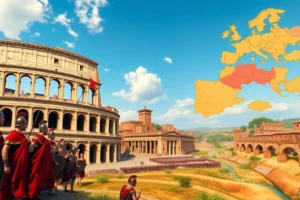
The Colosseum, an enduring symbol of ancient Rome, stands as a testament to the grandeur of imperial ambition and the complexities of Roman society. Its antiquity and architectural ingenuity have captivated the imagination of people across generations. Beyond its sheer size and historical significance, the Colosseum embodies a wealth of fascinating facts that illuminate its multifaceted nature. Here are 40 incredible facts about the Colosseum that promise to shift your perspective and pique your curiosity.
1. Architectural Marvel: Completed in A.D. 80, the Colosseum covers approximately six acres, making it an architectural masterpiece of its time.
2. Capacity: This iconic amphitheater could accommodate between 50,000 to 80,000 spectators, making it one of the largest venues of the ancient world.
3. Gladiatorial Combat: The Colosseum was primarily a venue for gladiatorial contests, where fighters battled for glory, freedom, or survival, entrancing thousands of spectators with each duel.
4. Ingenious Design: The Colosseum showcases a sophisticated system of archways and vaults, distributing weight and providing remarkable structural integrity.
5. Materials Used: Made from travertine limestone, tuff, and brick, the Colosseum reflects the practical yet aesthetic construction techniques of Roman architecture.
6. Wild Beasts: Apart from gladiators, the arena hosted a myriad of exotic animals, including lions, bears, and elephants, often in fierce confrontations with human combatants.
7. Aqueducts Supply: The ingenious Roman aqueduct system enabled the creation of water spectacles, including mock naval battles fought with real ships in the flooded arena.
8. Six Stories Tall: The Colosseum stands approximately 157 feet high, comprising four distinct levels adorned with columns of the Doric, Ionic, and Corinthian styles.
9. The Hypogeum: Beneath the arena lies the Hypogeum, an elaborate network of tunnels and chambers that housed gladiators, animals, and stage machinery.
10. The Changing Glories: The name “Colosseum” is believed to have derived from a colossal statue of Nero (the Colossus of Nero), which once stood nearby.
11. Raging Fires: Significant damage occurred during fires in 217 AD and 284 AD, yet this resilience showcases the building’s enduring legacy.
12. Christian Martyrdom: Legends abound that many early Christians were martyred within its walls, a somber reminder of the violent spectacles that took place.
13. A UNESCO World Heritage Site: In 1980, the Colosseum was designated a UNESCO World Heritage Site, celebrating its cultural significance and architectural brilliance.
14. Restoration Efforts: Continuous restoration projects, including a major one completed in 2010, ensure the Colosseum remains a vital part of Rome’s historical fabric.
15. The Eternal City’s Icon: The Colosseum is one of Rome’s most visited landmarks, attracting millions of tourists annually, drawn by its historical allure.
16. A Symbol of Power: It served as a reflection of the social hierarchy in Rome, epitomizing the grandeur of the emperors and the entertainment provided to the masses.
17. Intricate Ticketing System: Ancient Romans had a sophisticated method for ticket distribution, with designated seating to ensure organized viewing for the populace.
18. An Architectural Template: The Colosseum’s design has inspired countless arenas across the globe, symbolizing entertainment and competition.
19. The Outer Wall Collapse: Earthquakes in the Middle Ages caused a significant portion of the outer wall to collapse, yet the structure retained its essential character.
20. Artistic Inspirations: The Colosseum has been immortalized in countless works of art, from paintings to novels, capturing the imagination of artists across centuries.
21. Mock Sea Battles: Historical accounts suggest that naval battles were staged in the flooded arena—an unprecedented spectacle of the time.
22. Status Symbol: To attend events at the Colosseum was a mark of prestige, as seating arrangements were determined by social rank.
23. A Venue for Follies: Beyond gladiatorial battles, the Colosseum hosted performances that featured mythological re-enactments and dramatic displays, engaging a variety of audiences.
24. The Passage of Time: Over the centuries, the Colosseum has endured through invasions, decay, and transformation, each contributing to its rich narrative.
25. No Longer a Venue for Bloodshed: Today, the Colosseum stands as a beloved symbol of peace and a reminder of humanity’s perilous past.
26. Influencing Modern Sports: This ancient arena’s blueprint has influenced the design of contemporary sports stadiums, merging utility with symbolic importance.
27. The Emperors’ Spectacle: Emperors used games here to gain popularity, providing free entertainment to the masses while often solidifying their rule.
28. Climate Adaptation: The Colosseum’s architecture reflects an understanding of environmental factors, incorporating strategies for ventilation and lighting.
29. A Geological Record: Its stones tell the tale of Rome’s geographic history, with various materials sourced from different regions of the empire.
30. The Whispering Gallery: An interesting acoustic phenomenon occurs inside, where whispers can be heard clearly across the amphitheater.
31. In Statuary Rivalry: The Colosseum was once adorned with statues, many of which were pillaged in the Middle Ages, marking a transition from grandeur to ruin.
32. Subterranean Secrets: Archaeological excavations continue to reveal insights about the lives of gladiators and the elaborate shows that once enthralled audiences.
33. Symbol of Rome: When one thinks of Rome, the Colosseum often springs to mind as a symbol of the city’s rich historical tapestry.
34. A Canvas of Restoration: Since the Renaissance, the Colosseum has seen various restoration styles, illustrating the evolving appreciation for this ancient wonder.
35. The Beauty of Decay: The crumbling stones of the Colosseum bear witness to the passage of time, enchanting visitors with stories of grandeur lost and beauty remaining.
36. The Lion’s Gate: An entrance was specifically designated for the lanistae, or gladiator trainers, showcasing the rigorous social structures within the arena.
37. Iconic Film Set: The Colosseum has been a backdrop for numerous films, further embedding it into contemporary culture and art.
38. Its Enduring Legacy: The Colosseum’s legacy is not merely physical; it serves as a reminder of human resilience and creativity in the face of adversity.
39. Resilience Against Time: Through wars and natural disasters, the Colosseum has emerged resilient, reinforcing its stature as a marvel of human endeavor.
40. A Testament to Culture: Ultimately, the Colosseum remains a living monument of cultural evolution, a place where history, art, and architecture intertwine seamlessly.
As we conclude this exploration of the Colosseum, we are reminded that this awe-inspiring structure is more than just a relic. It is a symbol of humanity’s rich history, a stage for the human experience filled with both triumph and tragedy. Each fact reflects the depth of its significance, urging us to reflect on our past while engaging with the wonders of our present. The Colosseum invites us to not only marvel at its physical grandeur but to understand the stories woven into its very stones, reminding us that history is not solely about dates and events, but the enduring legacies that shape our world.
FAQ
What is the Colosseum?
The Colosseum is an ancient amphitheater located in Rome, known for hosting gladiatorial contests and other public spectacles.
When was the Colosseum built?
The Colosseum was completed in A.D. 80.
Is the Colosseum a UNESCO World Heritage Site?
Yes, the Colosseum was designated a UNESCO World Heritage Site in 1980.



Leave a Reply