
Short Answer
Endangered species captivate us with their vulnerability and resilience, often evoking deep emotional responses as we ponder their fate. As our planet faces unprecedented ecological challenges, understanding these creatures becomes paramount. This compilation of 30 fascinating facts delves into the intricate tapestry of endangered species, revealing the complexities of their existences and the reasons why they capture our attention.
1. **Ecosystem Engineers:** Many endangered species, such as elephants and beavers, play a critical role in shaping their habitats. By feeding on vegetation, elephants help maintain grasslands, while beavers create wetlands that support myriad life forms.
2. **Alarming Statistics:** It is estimated that approximately 1 million species of plants and animals are currently facing extinction, a staggering number that underscores the urgency of conservation efforts.
3. **Critical Breeding Programs:** Captive breeding initiatives aim to enhance populations of endangered species, such as the California condor and the Arabian oryx. These programs often employ state-of-the-art technology and genetic research to maximize genetic diversity.
4. **Climate Change Impact:** Changes in global climate patterns not only threaten habitats but also disrupt migration routes and breeding cycles. Polar bears, for instance, face dwindling sea ice, which hampers their ability to hunt seals.
5. **Ancient Survivors:** The coelacanth, a prehistoric fish thought extinct for 66 million years, was rediscovered in 1938. This remarkable creature offers invaluable insights into evolutionary biology.
6. **The IUCN Red List:** Established in 1964, the International Union for Conservation of Nature’s Red List categorizes species based on their extinction risk, providing essential data for conservationists and policy-makers.
7. **Pivotal Roles in Culture:** Endangered species, like the tiger and the panda, are often symbolic, representing national pride and cultural heritage. Their plight can galvanize support for conservation initiatives.
8. **Biodiversity Hotspots:** Regions such as the Amazon rainforest and the Coral Triangle are considered biodiversity hotspots, harboring an astounding variety of species, many of which are endangered. Protecting these areas is vital for global ecological health.
9. **Unusual Evolutionary Traits:** The axolotl, a neotenic salamander, possesses the remarkable ability to regenerate lost limbs and even parts of its heart. This unique characteristic has piqued the interests of scientists and holds potential for medical advancements.
10. **Predators and Their Prey:** The survival of endangered apex predators, like the snow leopard, is crucial for maintaining ecological balance. Their decline can lead to overpopulation of prey species, with cascading effects on the ecosystem.
11. **Habitat Loss:** Urbanization, agriculture, and deforestation contribute significantly to habitat loss, the leading cause of species endangerment. Forest-dwelling creatures, such as the orangutan, are especially vulnerable to these changes.
12. **The “Most Endangered” List:** The vaquita, a small porpoise residing in the Gulf of California, is on the brink of extinction, with an estimated population of fewer than 30 individuals. Conservationists are racing against time to safeguard this elusive creature.
13. **Human Impact:** Overfishing, poaching, and illegal wildlife trade further exacerbate the struggles of numerous endangered species, emphasizing a troubling intersection between human activity and environmental decline.
14. **Seeds of Survival:** The Svalbard Global Seed Vault, often dubbed the “Doomsday Vault,” preserves a diverse array of plant seeds from around the world, acting as a bastion of hope for agricultural biodiversity amid climate uncertainties.
15. **Trophic Cascades:** The reintroduction of wolves to Yellowstone National Park has had profound ecological repercussions, illustrating how one species can affect the broader ecosystem, influencing the population dynamics of numerous other species.
16. **Endangered Flora:** It’s not just animals that face extinction—plant species, like the Franklinia alatamaha, are also endangered. These plants are essential for maintaining the ecological integrity of their environments.
17. **Invertebrate Importance:** Lesser-known creatures like the Monarch butterfly serve as key indicators of environmental health. Their migration patterns are affected by climate change, showcasing the interconnectedness of species within ecosystems.
18. **Cultural Practices:** Indigenous practices often revolve around the sustainable harvesting of endangered species, illustrating a need for cooperative conservation approaches that respect traditional knowledge.
19. **The Role of Zoos:** Modern zoos have evolved beyond mere entertainment venues; they now play pivotal roles in conservation, education, and habitat preservation efforts, fostering public engagement in endangered species protection.
20. **Technological Innovations:** Advances in technology, including satellite tracking and genetic sequencing, have revolutionized conservation strategies, enabling scientists to monitor and protect endangered species more effectively.
21. **Public Awareness Campaigns:** Awareness initiatives highlighting the plight of endangered species, such as “Earth Day” or “World Wildlife Day,” are crucial for fostering global empathy and collective action for conservation.
22. **Local-Led Conservation:** Community-led conservation efforts often yield the most successful outcomes, as local populations possess invaluable insights and stewardship of their environments.
23. **Fostering Genetic Diversity:** Conserving endangered species requires attention to genetic diversity, ensuring that breeding programs maintain a healthy gene pool to enhance resilience in changing environments.
24. **The Ripple Effect of Extinction:** The loss of one species can trigger a domino effect, leading to the endangerment of others, destabilizing ecosystems and resulting in diminished biodiversity overall.
25. **International Treaties:** Agreements like the Convention on International Trade in Endangered Species (CITES) aim to regulate wildlife trade, but enforcement remains a challenge faced by many countries globally.
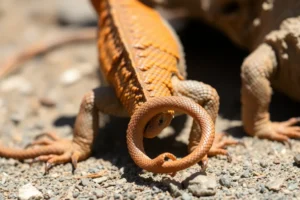
26. **Unique Species Adaptations:** The Komodo dragon, the largest living lizard, possesses venomous saliva that aids in subduing prey. This fascinating adaptation is an example of evolutionary ingenuity in the animal kingdom.
27. **Pioneers of Restoration:** Species like the American bison serve as symbols of restoration success, with proactive breeding and habitat management efforts enabling their populations to rebound from near extinction.
28. **Flagship Species:** Conservationists often utilize flagship species like the polar bear, as their appeal can attract public interest and funding for broader environmental protection initiatives.
29. **Persistent Myths:** Misconceptions about endangered species—like the belief that certain animals are inherently dangerous—can hinder conservation efforts. Education plays a crucial role in dispelling these myths.
30. **A Call to Action:** Ultimately, the plight of endangered species serves as a clarion call for humanity. Understanding and preserving these species not only benefits our planet’s health but also enriches our collective legacy for future generations.
In conclusion, the wisdom held within the stories of endangered species reveals a profound interconnectedness between all life forms. As we continue to grapple with the repercussions of our actions on this planet, let these facts serve as beacons of awareness and motivation to champion the conservation of endangered species. After all, every life lost is not just a loss to biodiversity; it is a loss to humanity itself.
FAQ
What are endangered species?
Endangered species are animals or plants that are at risk of extinction due to various factors, including habitat loss, climate change, and human activities.
Why is conservation important?
Conservation is crucial for maintaining biodiversity and ensuring the survival of species, which in turn supports ecosystem health and resilience.

Leave a Reply