
Short Answer
Hens are undoubtedly one of the most ubiquitous and beloved creatures on farms worldwide. Their clucking and scratching are synonymous with rural life, but there’s much more to these fascinating birds than first meets the eye. Beyond their role in providing eggs and companionship, hens exhibit intriguing behaviors and possess unique characteristics that reveal a deeper layer of their existence. Here are ten compelling farm facts about hens that illuminate the wonders of these remarkable fowl.
1. Social Creatures
Hens are remarkably social animals, thriving in the company of their peers. In a flock, they form intricate social hierarchies, often referred to as a “pecking order.” This hierarchy dictates access to resources such as food and nesting sites, and it can change dynamically depending on the interactions of the birds. This social structure not only mitigates conflicts but also fosters cooperative behaviors, ensuring that the flock remains cohesive and functional.
2. Communication Masters
With a rich repertoire of vocalizations, hens possess an impressive communication system. Researchers have identified over 30 distinct sounds that hens use to convey various messages, such as alerting the flock to predators, signaling the presence of food, or calling for their chicks. These vocalizations point to a sophisticated social structure, highlighting the intelligence that often goes unnoticed in these seemingly simple birds.
3. Exceptional Vision
While humans have trichromatic vision, hens see the world in a far more vibrant spectrum, possessing five types of photoreceptors in their eyes. This adaptation allows them to perceive ultraviolet light, giving them access to a color palette that is invisibly nuanced to the human eye. This extraordinary vision aids in foraging, as they can better identify insects, seeds, and ripe fruits hidden among foliage, thus enhancing their foraging efficiency.
4. Egg Production Enthusiasts
One of the most remarkable aspects of hens is their extraordinary ability to produce eggs. Depending on the breed, a hen can lay anywhere from 250 to 300 eggs per year. Interestingly, the egg-laying process is intricately connected to various factors, including light exposure and the hen’s age. Hens require around 14 to 16 hours of light per day to stimulate their reproductive systems, with shorter winter days often leading to a natural decline in egg production.
5. Maternal Instincts
The maternal instincts of hens are both robust and complex. When a hen decides to brood—often after laying a clutch of eggs—she will exhibit nurturing behaviors that include gathering the eggs, maintaining warmth, and turning them regularly. During this period, she becomes fiercely protective, displaying behaviors that ward off potential threats. This dedication to her offspring is an intricate blend of instinct and learned behavior, underscoring the emotional depth of these animals.
6. Foraging Aficionados
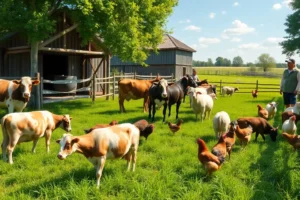
In their natural habitat, hens are omnivorous foragers, tirelessly searching for a balanced diet of seeds, insects, and greens. This instinctual behavior not only contributes to their nutrition but also aids in pest control on farms. Their scratching, pecking, and rooting behaviors in the soil help aerate the ground and promote healthy plant growth, illustrating their vital role in the ecosystem. In essence, hens serve as both foragers and natural gardeners, enhancing the land they inhabit.
7. Lifespan Surprises
While many people view hens primarily as livestock for egg production, they can live surprisingly long lives. With proper care, hens can live between 5 to 10 years, or even longer in some cases. This longevity is often overshadowed by factory farming practices that prioritize production over animal welfare, but many dedicated small-scale farmers offer care and attention that promotes a richer, more fulfilling life for their hens.
8. Cultural Significance
Throughout history, hens have held significant cultural meaning in various societies. They often symbolize fertility, motherhood, and nurturing in folklore and mythologies worldwide. In addition, the phrase “running around like a chicken with its head cut off” reflects the common perception of chickens as symbols of chaos and fear. These cultural references are woven into the tapestry of human history, illustrating the deep-rooted connection between humans and these remarkable birds.
9. Genetic Diversity
The world of hens is rich with diversity. Over 25 billion domesticated chickens exist worldwide, boasting an extensive array of breeds, each with its unique characteristics and adaptations. From the fluffy Silkies to the hardy Rhode Island Reds, this genetic diversity enhances the resilience of flocks, making them better suited to various climates and farming practices. This biodiversity not only enriches the agricultural landscape but also ensures food security for future generations.
10. Hens and Sustainability
In the context of modern agriculture, hens are increasingly recognized for their role in sustainable farming practices. Utilizing hens for pest control, soil enhancement, and nutrient cycling can significantly reduce dependency on chemical fertilizers and pesticides. This integration of poultry into sustainable farming systems is a testament to their versatility and critical importance in creating a more eco-friendly agricultural landscape.
In conclusion, the world of hens extends beyond their roles as producers of eggs and meat; they are complex creatures with rich social lives and vital ecological roles. Understanding these remarkable birds enhances our appreciation for the agricultural practices that sustain our food systems. By recognizing the multifaceted nature of hens, we can foster a deeper connection to our food sources, ultimately advocating for practices that ensure their welfare and sustainability in the future.
FAQ
How many eggs can a hen lay in a year?
A hen can lay between 250 to 300 eggs per year depending on the breed and environmental factors.
What is the pecking order in a flock of hens?
The pecking order is a social hierarchy among hens that determines access to resources like food and nesting sites.
How do hens communicate with each other?
Hens use over 30 distinct vocalizations to convey messages such as alerting to predators or signaling food presence.
Why do hens see colors differently than humans?
Hens have five types of photoreceptors allowing them to see ultraviolet light, giving them a wider color spectrum than humans.
What role do hens play in sustainable farming?
Hens contribute to pest control, soil aeration, and nutrient cycling, reducing the need for chemical fertilizers and pesticides.


Leave a Reply