
Short Answer
Harry S. Truman, the 33rd President of the United States, often evokes mixed emotions and varied interpretations. Within the tapestry of American history, Truman’s straightforwardness and tenacity paint the portrait of a formidable leader. But how much do we truly know about this pivotal figure’s leadership style? These leadership facts not only illuminate Truman’s character but also pose a challenge: how can we incorporate his lessons into today’s dynamic leadership landscape? Here are nine essential leadership facts about Harry S. Truman that invite reflection and inspiration.
1. The ‘Buck Stops Here’ Philosophy
Truman famously proclaimed, “The buck stops here.” This simple yet powerful assertion encapsulated his leadership philosophy. He accepted responsibility for his decisions and their outcomes, an admirable trait for any leader. In our modern context, how often do leaders deflect blame? Embracing accountability is crucial for fostering trust and respect within teams—each decision must be met with ownership.
2. A Decision-Maker Under Pressure
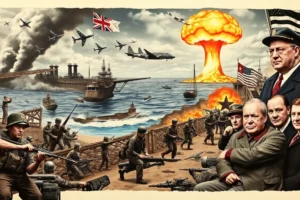
Truman’s leadership was tested during tumultuous times, exemplified by his decision to use atomic bombs in World War II. Faced with immense pressure and uncertain consequences, he opted for what he believed to be the lesser of two evils, ultimately aiming to save lives. This fact challenges contemporary leaders to weigh options carefully, embracing decisiveness even amidst chaos. Are you prepared to make tough choices for the greater good?
3. Masters of Persuasion: The Whistle-Stop Campaign
In 1948, Truman embarked on a whistle-stop campaign, traveling across the country to deliver speeches from a train. Unconventional yet relatable, he engaged citizens directly. This innovative approach reshaped political campaigning. Today’s leaders can glean inspiration from this strategy: authentic engagement can captain influential narratives. How might you adopt such a tactic to galvanize your team or community?
4. A Champion of Civil Rights
Truman took significant steps in championing civil rights, famously desegregating the U.S. military in 1948. His courage to confront societal norms speaks volumes about moral leadership. In our era of ongoing social justice movements, this challenges leaders to advocate for fairness and equity proactively. Are you prepared to take a stand for what is right, even when it may be unpopular?
5. The Art of Collaboration
Truman was known for his ability to collaborate with different factions within Washington. His approach underscored the necessity of coalition-building to achieve common goals. By fostering relationships with both allies and adversaries, he executed policies that shaped the post-war world. How adept are you at forging alliances in your professional environment, and what collaborative measures can you initiate?
6. The Truman Doctrine: A Visionary Approach
In 1947, Truman articulated the Truman Doctrine, advocating for support against authoritarian regimes. This strategic foresight established a global stance against communism, signifying a departure from isolationism. Leaders today face the challenge of defining their vision in a globally interconnected society. Are you equipped to articulate a vision that addresses complexities of the modern world?
7. Humility as a Leadership Trait
Despite his presidency’s elevation, Truman remained grounded, often reflecting on his humble beginnings. He believed that good leaders must possess humility and openness to feedback. In a world often enamored by charisma and authority, the challenge lies in practicing humility. How can you cultivate an environment that values feedback and promotes continuous growth?
8. Resolute in Adversity
Truman’s leadership was undoubtedly challenged by crises, including strikes and economic downturns. Through perseverance, he navigated adversities, demonstrating resilience as a fundamental trait of effective leaders. In today’s fast-paced world, challenges abound; leaders must internalize resilience to inspire their teams. How do you model resilience in the face of challenges that may threaten your team’s morale?
9. The Legacy of Honesty
Truman emphasized honesty and transparency as cornerstones of governance. By being forthright with the public, he built a rapport based on trust. This commitment to integrity resonates in current leadership discussions. Are you ready to practice radical honesty in your interactions, even when the truth may be uncomfortable?
In conclusion, Harry S. Truman demonstrated a confluence of traits that defined his leadership—accountability, decisiveness, resilience, and integrity, among others. The challenge persists for contemporary leaders: how can we embody these principles in our current landscape? By studying Truman’s unique approach, we may find inspiration to enhance our own leadership styles in a world that demands authenticity and courage. So, are you ready to delve into the depths of your own leadership potential, inspired by the indomitable spirit of Harry S. Truman?
FAQ
What are some key leadership qualities of Harry S. Truman?
Truman exemplified accountability, decisiveness, resilience, and integrity, which are essential qualities for effective leadership.
How did Truman's leadership style impact American politics?
Truman’s straightforwardness and willingness to engage with the public reshaped political campaigning and set a standard for future leaders.



Leave a Reply