
Short Answer
Crystal methamphetamine, commonly known as crystal meth, has become a looming specter in the landscape of illicit drugs. Its devastating effects on individuals, families, and communities are often overshadowed by its insidious allure. Below, we delve into nine dark facts about crystal meth that illuminate its harrowing impact and the multifaceted issues surrounding its use.
1. An Epidemic of Addiction
Crystal meth holds a notorious reputation for its remarkably addictive properties. Users can develop a psychological dependence after just one use, primarily due to the immediate and euphoric effects it produces. This powerful drug stimulates the central nervous system, creating an intense rush of pleasure that compels individuals to seek repeated doses. Unfortunately, it is this very dependency that often leads to a downward spiral of abuse and devastating consequences.
2. The Dark Side of Production
The production of crystal meth is not only illegal but also perilous. Many clandestine laboratories are set up in homes or abandoned buildings, leading to hazardous environments where flammable chemicals are improperly handled. The toxic fumes released during the cooking process can pose severe health risks to anyone in the vicinity, including unsuspecting neighbors. Moreover, the remnants of meth labs are often left behind, contaminating the property and posing long-term dangers.
3. Unseen Physical Deterioration
One of the most alarming aspects of crystal meth use is its detrimental effects on physical health. Users frequently experience rapid weight loss, dental issues known as “meth mouth,” and skin sores. The stimulant alters metabolism and appetite, often leading to severe malnutrition. The combination of these factors results in an alarming transformation that is often visible, further stigmatizing those trapped in addiction.
4. Psyche at Risk
The psychological impact of crystal meth use extends far beyond the immediate euphoria. Chronic users may fall prey to anxiety, paranoia, and delusions. Many experience hallucinations and psychotic episodes, leading to erratic or violent behavior. This change in mental state contributes not only to personal turmoil but also to societal disruptions, such as increased crime rates related to drug-seeking behavior.
5. A Gateway to Crime
The desperation stemming from addiction often drives users toward criminal activities. The inherent need to procure the drug can lead individuals to engage in theft, burglary, or violence. Moreover, the drug’s association with organized crime further exacerbates issues within communities plagued by methamphetamine distribution. This intertwining of addiction and criminality creates a vicious cycle that is difficult to escape.
6. Family Disruption
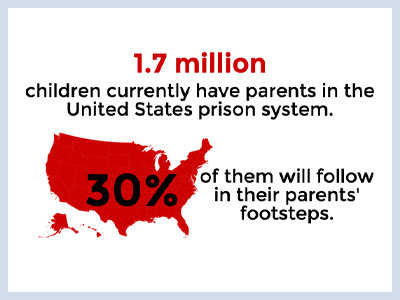
Crystal meth’s reach permeates families, fracturing relationships and dismantling support systems. Parents may find themselves unable to care for their children, leading to cases of neglect or abandonment. The instability that accompanies addiction often leaves children in precarious situations, breaking familial bonds and resulting in a generational cycle of substance abuse. This transformation can decimate the very fabric of communities, leading to long-term societal repercussions.
7. Myths and Misunderstandings
The stigma surrounding crystal meth use is often fueled by misinformation. Many believe that meth users come from lower socioeconomic backgrounds or specific demographics, perpetuating stereotypes that obscure the drug’s widespread availability and appeal. In reality, crystal meth can affect individuals from all walks of life, transcending barriers and affecting urban, suburban, and rural populations alike. This mythologizing hampers effective treatment and understanding of the issues at hand.
8. Environmental Consequences
The environmental repercussions of meth production extend beyond immediate health risks. Toxic waste generated from the manufacturing process is often discarded haphazardly, polluting ecosystems and posing risks to wildlife. Areas surrounding meth labs can become dangerously contaminated, necessitating costly and complex clean-up operations. These environmental hazards underscore the broader implications of crystal meth beyond individual health.
9. The Struggle for Recovery
Ultimately, the path to recovery from crystal meth addiction is fraught with challenges. Many treatment programs exist, but their effectiveness can vary significantly based on individual circumstances and support systems. The stigma attached to meth use often deters individuals from seeking help, leading to feelings of shame and isolation. Recovery is a long and arduous journey that requires not only personal commitment but also community support to foster an environment conducive to healing.
In conclusion, understanding the dark realities of crystal meth is crucial in combating its effects on society. By shedding light on these facts, we can foster more comprehensive conversations around prevention, treatment, and the support necessary for those affected. Recognizing the multifaceted nature of this crisis is the first step in addressing it holistically, ultimately leading toward healing and recovery for individuals and communities alike.
FAQ
What is crystal meth?
Crystal meth is a powerful and highly addictive stimulant that affects the central nervous system, leading to severe psychological and physical health issues.
What are the health effects of crystal meth?
Health effects include rapid weight loss, severe dental problems, skin sores, anxiety, paranoia, and hallucinations.
How does crystal meth addiction affect families?
Crystal meth addiction can fracture familial relationships, leading to neglect, abandonment, and a generational cycle of substance abuse.


Leave a Reply