
Short Answer
Australia is synonymous with unique wildlife, embodying a rich tapestry of biodiversity that both bewilders and entices. From the vast deserts to dense rainforests, every nook and cranny of this sunburnt land teems with creatures both mundane and extraordinary. However, beneath the surface of its quaint kangaroos and sunbathing koalas lies an enthralling world of wild facts. Prepare to have your perceptions shifted as we unveil ten captivating truths about Australian wildlife that spark curiosity and demand admiration.
1. The Eerie Call of the Nightjar
Often overlooked, the Australian Nightjar is a remarkable nocturnal bird known for its disconcerting vocalizations that echo through the night. This creature employs a range of calls, from haunting cries to rhythmic trills, that can send shivers down one’s spine. With its cryptic plumage providing impeccable camouflage against the forest floor, the Nightjar exemplifies a masterclass in adaptation. Observing this enigmatic bird invokes an exhilarating experience of nature’s hidden wonders.
2. The Feathered Dinosaur: The Emu
Once dubbed “the world’s largest bird,” the Emu is an astonishing link to the prehistoric past. Standing up to six feet tall, these flightless avians are closely related to the fearsome velociraptors. Their long, powerful legs allow for astonishing bursts of speed, making them one of the swiftest birds on earth. The Emu is a living testament to the wonders of evolution, subtly ribboning together threads of ancient history in the wilds of Australia.
3. Venom Beyond Compare
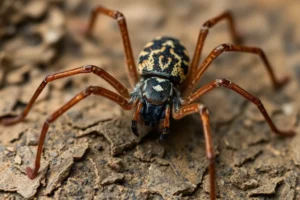
Australia is notorious for its dangerous wildlife, boasting an array of venomous creatures that enchant and terrify in equal measure. The Inland Taipan, often considered the world’s most venomous snake, has venom so potent that a single bite could theoretically kill over 100 humans. Yet, it is remarkably reclusive, dwelling in the arid regions of Queensland. Alongside such serpentine specters dwell numerous spiders and marine inhabitants, each wielding their own cocktail of toxins that boggle the mind and invoke awe for the intricate web of life surrounding us.
4. The Curious Platypus
Arguably one of the most fascinating creatures in Australia, the Platypus is a delightful blend of various animal features. With the bill of a duck, the body of an otter, and the tail of a beaver, it remains a solitary enigma in the mammalian realm as one of the few monotremes—egg-laying mammals. Found primarily in freshwater streams, the Platypus utilizes its sensitive bill to detect electric fields generated by its prey, showcasing a truly extraordinary adaptation in the animal kingdom.
5. The Great Barrier Reef: A Living Marvel
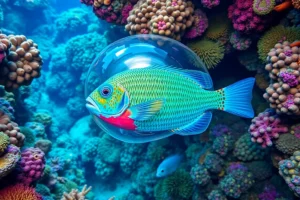
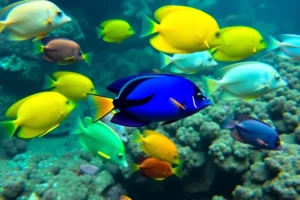
Home to thousands of species ranging from vibrant corals to majestic sea turtles, the Great Barrier Reef is the largest living structure on the planet. Stretching over 2,300 kilometers, it is composed of approximately 2,900 individual reefs and 900 islands, forming a kaleidoscopic ecosystem that attracts divers and nature enthusiasts from around the globe. The reef thrives with a staggering level of biodiversity, demonstrating how intricate and interconnected life can be within marine environments.
6. The Social Life of the Lyrebird
Exhibiting a dazzling dance of mimicry, the Superb Lyrebird is one of the most astonishing avian vocalists in the world. Capable of replicating not just the calls of other birds but also sounds from its environment—like chainsaws and camera shutters—its enchanting song serves as both a mating call and a testament to its adaptability. This incredible mimicry paints a vivid picture of social interaction among wildlife, highlighting how communication plays a pivotal role in survival.
7. The Mega-Fauna Epoch
Australia once hosted a plethora of gigantic creatures, known as mega-fauna, that roamed its landscapes during the Pleistocene epoch. These colossal forms include the Diprotodon, a wombat-like mammal, that weighed up to 2,800 kilograms and the towering Megalania, a gargantuan lizard that instilled both fear and awe. While these magnificent beasts are long gone, their remnants continue to fascinate paleontologists and wildlife enthusiasts alike, offering clues into the continent’s ecological past.
8. Quokka: The World’s Happiest Animal
Dubbed the “happiest animal on Earth,” the Quokka is a small marsupial native to Australia, particularly found on Rottnest Island. Their perpetual smile and friendly disposition have endeared them to countless visitors, earning a reputation as an Instagram sensation. These nocturnal creatures forage in the shadows, highlighting the importance of companionship and playfulness in the animal kingdom, seemingly reminding us to cherish joy amid nature’s untamed splendor.
9. The Plight of the Great White Shark
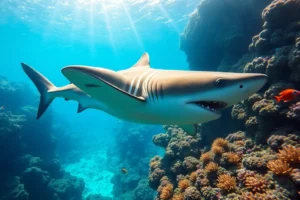
Renowned as an apex predator of the ocean, the Great White Shark’s reputation for ferocity is coupled with its vulnerability as a species. Although feared, these magnificent animals play an integral role in maintaining the ocean’s health by regulating fish populations. Conservation efforts are underway, driving awareness and education to shift perspectives on these misunderstood creatures, emphasizing their significance in marine ecosystems.
10. A Biome of Unending Diversity
The vibrant tapestry of Australia’s wildlife is further enriched by its biome diversity, ranging from arid deserts to lush rainforests. This blend of habitats fosters not only endemic species but also specialized interactions that are critical to ecological balance. The unseen connections among flora, fauna, and their environment furnish a deeper appreciation for the delicate equilibrium underpinning the ecosystem, inspiring curiosity about how each organism contributes to the grand design of nature.
In conclusion, Australian wildlife presents an astonishing array of wonders that extend beyond the common perception of well-known species. Each fact shared here is a gateway into understanding a world rich with complexity and interconnection. As we recognize and appreciate these wild truths, our perspective on these remarkable creatures shifts, inviting us to ponder our role in preserving the delicate harmony of Australia’s extraordinary environment.
FAQ
What makes Australian wildlife unique?
Australian wildlife is known for its high level of endemism, featuring many species that are not found anywhere else in the world.
Why is the Platypus considered remarkable?
The Platypus is a unique mammal that lays eggs and has features of several animals, including a duck’s bill and an otter’s body.

Leave a Reply