
Short Answer
In the lush tapestry of human senses, smell emerges not only as a fleeting gust of nostalgia but as a powerful conduit linking memory, emotion, and experience. The olfactory system, often overshadowed by sight and sound, holds intricate secrets waiting to be uncovered. Here, we embark on a fragrant journey, exploring seven remarkable nose facts that illuminate the art and science of smelling.
1. A Symphony of Scent: The Olfactory Epithelium
Situated high within the nasal cavity, the olfactory epithelium is akin to a grand conductor, orchestrating a symphony of scents that permeate our existence. This delicate membrane, measuring roughly the size of a postage stamp, is laden with specialized receptor cells. Each receptor is attuned to specific molecules, enabling the brain to recognize and differentiate countless aromas. Imagine the olfactory epithelium as a verdant garden, where each flower represents a unique scent. Just a whiff can prompt an immediate emotional response or transport one back to a cherished moment, encapsulating the essence of memory.
2. The Power of Memory: Smell and Emotion
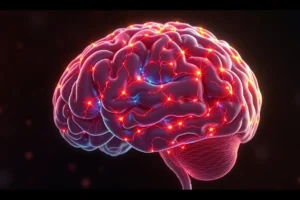
Have you ever caught a whiff of freshly baked cookies and been immediately swept back to your grandmother’s kitchen? This phenomenon stems from the intimate relationship between smell and memory. The olfactory bulb, responsible for processing scents, has direct connections to the amygdala and hippocampus—regions of the brain intricately involved in emotion and memory. Smell has the uniqueness of bypassing the prefrontal cortex, the part of the brain that filters and rationalizes experiences. Instead, it hits straight to the heart, making olfactory memories remarkably vivid and often intertwined with nostalgic emotions.
3. The Hidden Language of Scents: Pheromones
Pheromones represent a whispering communication far beyond the realms of human verbal exchange. These chemical signals, emitted by one individual and perceived by another, can influence behaviors and choices. Some researchers liken pheromones to a secret language, spoken not through words but through the very essence of our being. A subtle scent can alert others to readiness for courtship, signal social status, or even convey danger. This silent symphony of invisible cues underscores the enigmatic dance of attraction and connection found in the animal kingdom and subtly, in human interactions.
4. From Noses to Neurons: The Olfactory Pathway
The journey of a scent begins the moment it enters the nostrils. It travels through a labyrinthine route known as the olfactory pathway. Following this path, scent molecules undergo a transformative odyssey: they are detected by receptors, relayed through the olfactory bulb, and then transmitted to various areas of the brain. Here, scents are dissected, analyzed, and interpreted. It’s akin to navigating through a bustling marketplace, where each stall offers a distinct fragrance, and only a careful observer selects the nuances that create a complete sensory experience.
5. A World of Infinite Scents: The Sensory Spectrum
The human nose, often touted with the ability to distinguish over a trillion different scents, serves as a gateway to an expansive olfactory world. This incredible diversity can be compared to the hues on an artist’s palette; each aroma brings a unique vibrancy, contributing to the overall picture of an experience or memory. This astounding capacity arises from the complex interplay of various scent molecules, their combinations, and our brain’s remarkable ability to interpret these compounds, echoing an artist’s capability to blend colors to create infinite shades.
6. Gender and Smell: Diverging Pathways
Research suggests that gender can influence the perception of aromas, akin to different instruments in an orchestra playing the same melody but producing varied nuances. Men and women often exhibit differences in olfactory sensitivity, with studies indicating that women tend to have a keener sense of smell. This disparity has been linked to evolutionary factors where females may have developed enhanced olfactory skills for identifying safe food sources or detecting subtle cues in social bonding and mating behaviors.
7. The Decline of Smell: A Barometer of Health
Our sense of smell, while whimsically intricate, also serves as an astute barometer of health. A decline in olfactory function can be an early indicator of neurological conditions such as Parkinson’s disease or Alzheimer’s. Just as the faintest fragrance can evoke a memory, the loss of this sense can foreshadow deeper issues lurking beneath the surface. Olfactory changes remind us that even the most delicate and often overlooked senses can serve as vital signals of overall well-being, urging us to pay closer attention.
In the grand symphony of life, the nose may seem a mere instrument, but it plays a crucial role in the overall composition of our experiences. The nuances of scent intertwine with memories and emotions, weaving a rich tapestry of sensations that enrich our existence. As we unveil the intricate mechanics and profound connections of olfaction, we find that smelling is not just a sensory experience; it is an essential thread that unites the past with the present, a bridge from the ephemeral to the eternal. In every breath, there lies a world of discovery awaiting those willing to embrace the enchantment of their olfactory awareness.
FAQ
What is the olfactory epithelium?
It is a specialized tissue inside the nasal cavity that contains receptor cells responsible for detecting odors.
How does smell trigger memories?
Smell signals bypass the brain’s rational centers and connect directly to emotion and memory centers, making olfactory memories vivid.
What role do pheromones play in human behavior?
Pheromones act as chemical signals that can influence social interactions, attraction, and communication without words.
Why do men and women perceive smells differently?
Biological and evolutionary factors contribute to women often having a more sensitive sense of smell than men.
Can changes in smell be a sign of health problems?
Yes, diminished smell can be an early warning sign of neurological disorders such as Parkinson’s and Alzheimer’s disease.





Leave a Reply