
Short Answer
The temperate forest biome, with its vibrant diversity and distinct seasons, holds secrets and challenges for both its inhabitants and those who venture into its depths. Have you ever pondered how animals and plants not only survive but thrive in this rich ecosystem? As you explore these survival facts, consider: What would you do if you found yourself in the middle of a temperate forest without any supplies? Here are nine fascinating survival facts that highlight the unique characteristics of the temperate forest biome and its inhabitants.
1. Seasonal Adaptations
The temperate forest is characterized by its four distinct seasons: spring, summer, autumn, and winter. Each season brings a transformation that affects all living organisms within the biome. For instance, deciduous trees shed their leaves in winter to conserve water and energy, while many animals hibernate or migrate to adapt to the colder temperatures. This cyclical adjustment illustrates the critical nature of seasonal changes for survival. As such, understanding these adaptations can aid you in recognizing the rhythm of nature when trying to navigate through this environment.
2. Biodiversity Brimming with Life
Temperate forests are home to an astonishing array of flora and fauna. You can find more than just trees; the understory is teeming with shrubs, herbs, fungi, and an assortment of organisms. The complex food web supports a myriad of species, from small mammals and insects to larger predators like bears and foxes. To survive, these species rely on each other, forming a delicate balance that is both fascinating and vital. When exploring a temperate forest, take a moment to observe how interconnected life truly is.
3. The Role of Soil Quality
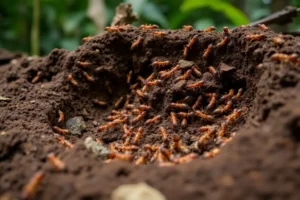
At the heart of the temperate forest biome lies the soil. Rich in organic matter thanks to the decomposition of leaves and fallen trees, the soil provides essential nutrients for plants. This nutrient density supports the overall health of the forest. However, it can be surprising for an uninitiated explorer to discover that soil quality varies significantly based on local conditions, which can impact plant growth and biodiversity. Understanding the variations in soil can help you identify the types of vegetation and wildlife in different areas.
4. The Importance of Water Sources
A vital component of survival in any ecosystem, water availability significantly influences the temperate forest’s health. Streams, rivers, and wetlands serve as refuge not just for plants, but also for animals. Many species depend on these water sources for hydration and sustenance. When wandering through such a biome, knowing how to locate fresh water—and ensuring its potability—is crucial for survival. Be mindful of your surroundings, and you could find a source of life-giving water.
5. Symbiotic Relationships
The temperate forest is a theater of symbiosis, where different species coexist by forming mutually beneficial relationships. For example, mycorrhizal fungi and plant roots work in tandem to enhance nutrient uptake. Likewise, pollinators like bees and butterflies play a key role in plant reproduction. Such intricate relationships are not just fascinating; they are essential for the sustainability of the forest ecosystem. Observing these connections can deepen your understanding of survival strategies in the wild.
6. The Role of Fire
Fire, often seen as a destructive force, plays a significant role in temperate forest ecosystems. Certain species of trees rely on fire to trigger germination, while fires can clear out underbrush, allowing more sunlight to reach the forest floor. This phenomenon illustrates that survival in the temperate forest does not merely hinge on the absence of fire, but rather on an understanding of its role in the cyclical life of the forest. Are you prepared to embrace nature’s unpredictability when venturing through these woodlands?
7. Wildlife Communication
In the dense undergrowth of temperate forests, animals have developed unique ways to communicate with one another amidst the cacophony of nature. From the courtship songs of birds to the warning calls of mammals, these vocalizations convey crucial information that can mean the difference between life and death. Learning to interpret these communications can enhance your experience and increase your awareness of potential dangers while you explore.
8. The Influence of Climate Change
As global temperatures rise, the temperate forest biome faces unprecedented challenges. Shifts in climate patterns can disrupt the delicate balance of species, leading to altered migration habits and changes in plant growth. Observing these transformations can be startling, but they also offer insights into the resilience and adaptability of life. Being mindful of these changes can inspire you to consider the broader effects of your actions on the environment, ultimately promoting sustainable practices.
9. The Value of Learning
Inconsistency is a hallmark of nature. Each visit to a temperate forest reveals something new. Whether you’re studying plants, observing animal behavior, or learning survival skills, each experience enriches your knowledge and appreciation of this biome. Recognizing the diverse ways organisms adapt to their environment can be both an educational and transformative experience. Are you ready to explore and discover the untold stories of the temperate forest?
In conclusion, the temperate forest biome is a magnificent tapestry of life, with each thread representing a unique survival adaptation. From understanding seasonal changes to recognizing the interconnectedness of life, the forest offers endless lessons in resilience and survival. As you delve into this captivating world, remember the playful challenge: How will you apply these survival facts to your own adventures? Each exploration is an opportunity to learn, adapt, and grow alongside the remarkable inhabitants of the temperate forest.
FAQ
What adaptations help survival in temperate forests?
Survival adaptations include seasonal changes in behavior, unique communication among wildlife, and symbiotic relationships among species.


Leave a Reply