
Short Answer
The world is teeming with extraordinary creatures, yet few captivate the imagination quite like the Irrawaddy dolphin. This enigmatic marine mammal, native to freshwater regions of Southeast Asia, offers an intriguing glimpse into the richness of aquatic biodiversity. As we delve into seven compelling facts about the Irrawaddy dolphin, prepare to embark on a journey that promises to shift your perspective on this remarkable species and inspire curiosity about its plight and habitat.
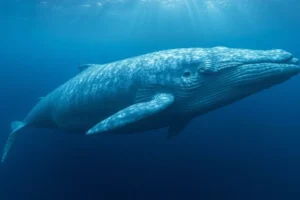
1. Unique Anatomy: Unlike their more commonly recognized relatives, the Irrawaddy dolphin boasts a distinct anatomical structure that sets it apart from other dolphin species. It features a rounded head with no beak, giving it an almost prehistoric appearance. This dolphin’s body is robust and robustly built, measuring around 4.5 meters in length. Interestingly, it lacks the pronounced beak characteristic of many other dolphins, leading to its almost serene expression. The dolphin’s pearly grey skin, often marked with a faint bluish hue, perfectly blends with the tranquil waters it inhabits.
2. Habitat Preferences: The Irrawaddy dolphin occupies a variety of habitats, showcasing its adaptability. Typically found in shallow coastal waters, estuarine regions, and rivers, this species has a penchant for brackish environments, especially in the Bay of Bengal and Southeast Asia. Their preference for freshwater locales makes them particularly vulnerable to changes in water conditions and development along riverbanks. As human activities encroach on these ecosystems, the very existence of these dolphins hangs in the balance, underscoring the importance of conservation efforts.
3. Communicative Behaviors: A fascinating aspect of Irrawaddy dolphins is their social and communicative behaviors. They engage in a variety of vocalizations, from clicks and whistles to unique pulse sounds, which facilitate communication and social bonding. Observing their interactions can be mesmerizing; they often swim in pods, providing insight into their complex social structures. These interactions reflect a rich tapestry of relationships, echoing the importance of social dynamics within their environments.
4. Diet and Feeding Habits: What do Irrawaddy dolphins eat? Their diet primarily consists of fish and crustaceans, but their feeding behavior is uniquely adapted to their environment. Using a technique known as ‘bottom feeding,’ these dolphins will maneuver to stir up the sand at the river or seabed, provoking small fish and invertebrates to surface, making them easier to catch. This behavior not only showcases their intelligence but also highlights their role in the aquatic ecosystem, as they help maintain fish populations and balance their habitats.
5. Conservation Status: Despite their resilience, the Irrawaddy dolphin faces significant threats that endanger its survival. Classified as a vulnerable species by conservation authorities, their populations are dwindling due to habitat destruction, pollution, and incidental capture in fishing gear. As large sections of their habitat become compromised by development and industrialization, urgent action is required. Conservation initiatives focused on habitat protection and sustainable fishing practices are critical to ensuring that future generations can marvel at these extraordinary creatures.
6. Cultural Significance: The Irrawaddy dolphin holds a prominent place in the cultural lore of many communities inhabiting its range. In Myanmar and other regions, these dolphins are often seen as symbols of peace and prosperity, revered by fishermen and coastal dwellers alike. Interestingly, some cultures believe that the presence of these dolphins brings good luck during fishing excursions. This deep cultural connection underscores the need for collaborative conservation efforts that engage local communities in protecting their aquatic neighbors.
7. Unique Reproductive Traits: When it comes to reproduction, Irrawaddy dolphins exhibit fascinating behaviors that distinguish them from many other dolphin species. The gestation period for these remarkable creatures lasts around 10-11 months, with mothers giving birth to a single calf. The nurturing bond between mother and calf is particularly striking; mothers are known to exhibit protective behaviors and teach their young essential skills for survival. The closeness between them is not just biological but emotional, embodying a tenderness that reflects the depth of maternal instinct.
In conclusion, the Irrawaddy dolphin emerges as one of nature’s most fascinating enigmas. From its unique anatomy and adaptable habits to its significant cultural associations, this species is a testament to the wonders of the animal kingdom. However, their future remains precarious amidst habitat loss and environmental pressures. By fostering awareness and appreciation for the Irrawaddy dolphin, we can inspire a shift in mindset toward conservation, ensuring that these extraordinary creatures continue to thrive in their natural habitats. As stewards of the Earth, it is our responsibility to safeguard the delicate balance of biodiversity for generations to come.
FAQ
What is the typical habitat of the Irrawaddy dolphin?
They inhabit shallow coastal waters, estuaries, and freshwater rivers across Southeast Asia, particularly favoring brackish waters.
How do Irrawaddy dolphins feed?
They use bottom feeding techniques by stirring up sand to catch fish and crustaceans more easily.
Why are Irrawaddy dolphins considered vulnerable?
Their populations are declining due to habitat destruction, pollution, and accidental capture in fishing gear.
What cultural significance do Irrawaddy dolphins hold?
In regions like Myanmar, they are symbols of peace and good luck, revered by local fishing communities.
How long is the gestation period for Irrawaddy dolphins?
The gestation period lasts about 10 to 11 months, typically resulting in a single calf.





Leave a Reply