
Short Answer
Japan—a land where the ancient and the avant-garde intertwine like cherry blossoms swaying in a gentle spring breeze. Here lies a tapestry of tradition interwoven with cutting-edge technology, creating a captivating narrative that is both timeless and futuristic. To delve into the heart of Japan is to uncover a myriad of fun facts that illuminate its unique cultural fabric. Here, we present 40 intriguing tidbits that encapsulate the synergy between Japan’s rich heritage and its innovative spirit.
1. The Land of the Rising Sun: Japan’s name can be translated to “the land of the rising sun,” a poetic nod to its position to the east of the Asian continent.
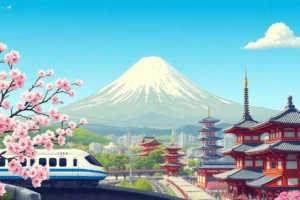
2. Rail Revolution: Imagine a train that glides rather than travels—enter the Shinkansen, or bullet train, that not only reaches speeds of up to 199 mph but also boasts an impeccable punctuality record.
3. Capsule Hotels: Born from the need for efficient space usage, Japanese capsule hotels are not just accommodations; they are a unique exercise in minimalism.
4. More than 3,000 Islands: Japan comprises approximately 6,852 islands, but the four largest—Honshu, Hokkaido, Kyushu, and Shikoku—encompass the majority of its landmass and populace.
5. Vending Machine Wonderland: With over 5 million vending machines across the nation, you can procure everything from hot beverages to fresh eggs. It’s a treasure hunt in simplicity!
6. The Art of Etiquette: Bowing is more than a greeting; it is an art form grounded in respect, signifying humility and gratitude.
7. Sushi Sensation: Sushi, though ubiquitous today, originated as a method to preserve fish in fermented rice and has transformed into a culinary emblem of Japan.
8. Shinto Shrines and Temples: The coexistence of Shinto shrines and Buddhist temples in Japan serves as a metaphor for harmony, revealing a nation that embraces multiple spiritual paths.
9. The Cherry Blossom Symbolism: Hanami, or cherry blossom viewing, is a cherished tradition, symbolizing the ephemeral nature of life. Each bloom is a fleeting marvel.
10. Kawaii Culture: The Japanese concept of “kawaii,” meaning cute, permeates everything from fashion to food, reflecting a society that celebrates innocence and charm.
11. Video Game Legacy: Japan is the birthplace of iconic video game franchises, from Super Mario to Pokémon, shaping a global entertainment phenomenon.
12. Zen Gardens: Evocative of tranquility, Japanese Zen gardens embody the philosophy of simplicity and mindfulness, inviting participants to meditate visually and spiritually.
13. Ikebana: This meticulous art of flower arrangement transcends mere decoration, emphasizing balance, harmony, and a connection to nature.
14. Sumo Wrestling: Sumo, Japan’s national sport, is not merely a contest of strength; it is steeped in ritual, with Shinto traditions woven into each match.
15. Advanced Robotics: Japan leads the world in robotics, producing life-like machines that serve in various sectors, from healthcare to hospitality, creating harmony between man and machine.
16. Onsen Culture: Japanese hot springs, or onsen, offer both relaxation and rejuvenation, reflecting a deep cultural appreciation for nature and communal bonding.
17. Futuristic Architecture: Cities like Tokyo showcase architectural wonders that seem to leap from the pages of science fiction, seamlessly fusing form and function.
18. Traditional Tea Ceremonies: The tea ceremony (chanoyu) is a ritualized art form in Japan, emphasizing mindfulness, simplicity, and aesthetic beauty in every sip.
19. Green Roofs: Ingeniously designed green roofs are incorporated into urban planning to combat heat and promote biodiversity—nature reclaiming its space amidst the concrete.
20. Anime and Manga: Japanese animation and comics—anime and manga—are cultural phenomena that have garnered global fandom, serving as portals to fantastical worlds.
21. Safety First: Japan is renowned for its low crime rates, highlighting a societal commitment to safety and harmony.
22. The Art of Calligraphy: Shodō, or Japanese calligraphy, transforms written language into visual art, each stroke narrating a story of culture and history.
23. Railway Etiquette: Silence reigns supreme in trains, where respectful behavior is as customary as the well-organized seating arrangements.
24. Futon in Modern Homes: The traditional futon is a practical and space-saving bedding option, demonstrating Japan’s ingenious approach to modern living.
25. Unique Festivals: From Gion Matsuri to Nebuta Matsuri, Japan’s festivals burst with color, tradition, and history, uniting communities and celebrating cultural heritage.
26. Shinkansen vs. Air Travel: Surprisingly, the high-speed Shinkansen is often preferred over air travel for domestic trips due to its efficiency and convenience.
27. Nara Park’s Roaming Deer: In Nara Park, freely roaming deer are regarded as heralds of good fortune, embodying a deep-rooted respect for nature.
28. J-Pop Phenomenon: Japanese pop music (J-Pop) has evolved into a global sensation, intertwining traditional melodies with contemporary sounds, captivating diverse audiences.
29. Silent Communication: The Japanese often express emotions and opinions through subtle gestures and silence, suggesting depths to communication beyond mere words.
30. Shrink Ray for Packaging: Japan’s obsession with small, neat packaging reduces waste and maximizes convenience, reflecting an intrinsic respect for efficiency.
31. Temaki vs. Nigiri: The culinary landscape is rich, with sushi variations like temaki—hand rolls—or nigiri, exemplifying both tradition and innovation.
32.Compact Toilets: Japanese toilets are a marvel of technology, merging comfort with functionality—often featuring heated seats and bidet functions for a luxurious experience.
33. Futuristic City Planning: Cities like Tokyo employ advanced urban planning techniques that prioritize sustainability and efficiency, echoing a vision for the future.
34. Yakitori Street Culture: Street vendors serving yakitori create communal spaces where locals gather, transforming dining into a lively social experience.
35. Indigenous Arts: Traditional crafts, such as pottery and textiles, showcase indigenous techniques and stories passed down through generations, preserving cultural legacies.
36. Language Nuances: The Japanese language, rich with layers of meaning, reflects cultural subtleties, from honorifics to idioms steeped in history.
37. The Samurai Spirit: The legacy of the samurai pervades contemporary Japanese culture, from martial arts to a governance style that values order and loyalty.
38. Construction of Friendship: The emphasis on teamwork in Japanese culture smooths the progress of projects, showcasing an admirable approach to collaboration.
39. Spiritual Symbols: From torii gates to bonsai trees, Japanese culture is replete with symbols that represent the spiritual journey, infusing daily life with meaning.
40. Harmony with Nature: Japan’s cultural ethos embraces a profound connection to nature, often reflecting this in art, architecture, and lifestyle choices.
As we close this exploration, Japan emerges not only as a destination but also as a splendid synthesis of its storied past and a future ripe with innovation. It’s an artistic kaleidoscope where tradition breathes with the rhythms of technology, crafting a narrative that speaks to both the heart and mind. In every nook and cranny of its cultural landscape, Japan invites inquisitors to ponder, explore, and appreciate its multifaceted allure.
FAQ
What is the significance of cherry blossoms in Japan?
Cherry blossoms symbolize the transient nature of life and are celebrated in the Hanami tradition.




Leave a Reply