
Short Answer
Rome, the Eternal City, has bewitched countless souls with its profound history, opulent architecture, and vibrant culture. The essence of Rome transcends time, casting an enduring spell that captivates visitors and scholars alike. Below, we explore three glorious facts about Rome that shed light on its illustrious past and vibrant present.
1. The Architectural Marvels of Ancient Rome
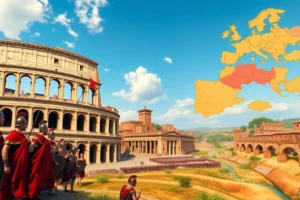
At the core of Rome’s magnetic allure is its architectural grandeur, epitomized by structures that have withstood the ravages of time and natural elements. The Colosseum, or the Flavian Amphitheater, stands as a testament to Roman engineering prowess, with its elliptical structure accommodating up to 50,000 spectators. This iconic arena, inaugurated in 80 AD, hosted gladiatorial contests and public spectacles, reinforcing Rome’s status as the epicenter of entertainment.
Diversifying the architectural tapestry is the Pantheon, a temple dedicated to the gods of Ancient Rome, renowned for its massive dome, which remains the largest unreinforced concrete dome in the world. Completed around 126 AD, the Pantheon’s coffered ceiling and oculus create a sublime play of light, enchanting visitors who find themselves awash in the ethereal glow filtering through its apex. This architectural feat not only exemplifies Roman ingenuity but also underscores the civilization’s reverence for the divine.
Moreover, the Roman Forum, a sprawling complex of ruins, once teemed with political life and social interaction. This center of Roman public life showcases remnants of temples, basilicas, and arches, embodying the vibrant pulse of Roman citizenship. Each column tells a story of political intrigue and communal activities, offering valuable insights into the daily existence of Roman citizens.
These architectural wonders are not mere relics; they are living monuments that continue to evoke awe and wonder. They demonstrate how ancient civilizations sought to immortalize their ideologies through physical structures designed not just for utility but for expressing grandeur and permanence.
2. The Cultural Renaissance: From Antiquity to Modernity
Rome’s cultural renaissance flourished during the Renaissance period, which saw a resurgence of interest in classical art, literature, and philosophy. Artists and thinkers flocked to Rome, which became the nucleus of creative expression. The Vatican, adorned with the masterpieces of Michelangelo and Raphael, symbolizes this cultural efflorescence. The Sistine Chapel, with its mesmerizing ceiling frescoes, portrays scenes from Genesis, revealing the divine spark of humanity. Visitors often gaze in wonder, scrutinizing the intricate details and vivid imagery that encapsulate the essence of human aspiration.
Beyond art, Rome played a crucial role in the sphere of language and literature. The Latin language, the cornerstone of Roman culture, laid the foundation for Romance languages, influencing global communication and literary traditions. The writings of Cicero and Virgil, steeped in elegance and eloquence, remain foundational texts for aspiring literary scholars, reflecting the profundity of human thought and experience.
The culinary tapestry of Rome further exemplifies its vibrant culture, where food is regarded not merely as sustenance but as an age-old ritual. Dishes like spaghetti alla carbonara and supplì embody regional flavors and traditions passed down through generations. Dining in Rome is an experience that invites you to savor history in every bite, as local markets brim with fresh produce and artisanal delights.
The cultural intermingling in Rome is palpable; it pulsates through its cobblestones and reverberates in the bustling piazzas, uniting locals and tourists in a shared appreciation for its rich heritage. This kaleidoscope of artistry, language, and gastronomy illustrates how Rome continuously evolves, absorbing influences while steadfastly honoring its profound roots.
3. The Spiritual Heart: Vatican City
At the heart of Rome lies the independent city-state of Vatican City, a bastion of spiritual and religious significance for millions around the globe. As the spiritual capital of Catholicism, it houses the Pope and serves as a pilgrimage site for devotees. St. Peter’s Basilica, with its breathtaking dome designed by Michelangelo, epitomizes sacred architecture and is one of the largest churches in the world. The basilica’s interior, adorned with exquisite mosaics and artworks, exudes serenity and reverence, creating a contemplative space that invites reflection.
The Vatican Museums, a veritable treasure trove of art, present centuries of artistic achievement, from ancient artifacts to contemporary works. Within its hallowed halls, sculptures, tapestries, and the famed Raphael Rooms narrate the evolution of artistic prowess through time. The juxtaposition of history and spirituality creates an atmosphere that prompts visitors to ponder the deeper meanings behind the artwork, igniting an appreciation for human creativity.
Furthermore, the Sistine Chapel, beyond its renowned frescoes, serves as a site of papal conclaves, emphasizing its significance not only as an artistic marvel but as a locus of spiritual governance. It encapsulates the delicate relationship between aesthetics and faith, reiterating how art can evoke powerful emotions and promote acts of devotion.
Rome, with its centuries-old layers of history, artistic masterpieces, and spiritual significance, captivates hearts and minds. It stands as a testament to human resilience and creativity, continuously inspiring generations. Every cobblestone, every edifice tells its storied tale, resonating with those willing to explore its depths. Rome is not merely a destination; it is an eternal legacy, forever etched in the annals of human achievement.
FAQ
What are some famous architectural sites in Rome?
Famous architectural sites in Rome include the Colosseum, the Pantheon, and the Roman Forum.
What cultural significance does Vatican City hold?
Vatican City is the spiritual capital of Catholicism and houses the Pope, making it a significant pilgrimage site.



Leave a Reply