
Short Answer
Have you ever wondered what happens to the scraps left behind from your breakfast and dinner? Instead of letting them languish in a landfill, have you considered transforming them into something incredibly beneficial? Composting is an ecological practice that not only reduces waste but also enriches soil health. Below, we delve into ten fascinating green and eco facts about composting that might just inspire you to start your own compost pile and embrace this sustainability journey.
1. A Treasure Trove of Nutrients
Compost is often dubbed “black gold” for good reason. When organic waste decomposes, it breaks down into nutrient-dense humus, providing essential elements like nitrogen, phosphorus, and potassium. These nutrients are invaluable for plant growth, allowing your garden to flourish. Unlike synthetic fertilizers, which can leach into waterways, compost nourishes the soil in a way that is both effective and environmentally sound.
2. A Landfill’s Worst Nightmare
Did you know that approximately 30% of the waste in landfills is organic material? When food scraps and yard debris decompose in a landfill, they produce methane, a potent greenhouse gas that significantly contributes to climate change. Composting diverts this waste from landfills, transforming organic refuse into a beneficial resource while helping to mitigate climate change. What if every household committed to composting? Just imagine the reduction in landfill mass!
3. Soil Savant: Enhancing Soil Structure
Compost not only adds nutrients but also enhances the structure of soil. By improving drainage, aeration, and moisture retention, compost contributes to healthier roots and, consequently, more robust plants. This transformation of soil structure leads to improved biodiversity, creating a thriving ecosystem teeming with life. It’s like giving your garden a robust health boost. Have you tried adding compost to your garden yet?
4. A Natural Pest Repellent
One surprise benefit of composting is its ability to reduce pest populations. A healthy compost can create an ecosystem that attracts predators of common pests, reducing the reliance on chemical pesticides. Certain beneficial organisms thrive in compost, playing a crucial role in keeping pests in check. How would you feel about having a garden that is naturally balanced and less dependent on harmful chemicals?
5. Less Water, More Impact
Interestingly, compost can help minimize the amount of water required for gardening. It acts like a sponge, retaining moisture and releasing it gradually to plants. This means you’ll spend less time watering and more time enjoying your flourishing garden. Have you thought about how much the right compost mixture could change your water usage habits?
6. The Art of Biodegradation
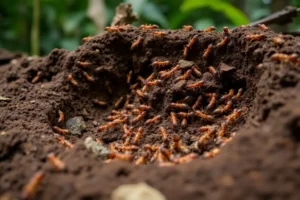
Composting is a remarkable illustration of nature’s biodegradation processes. Microorganisms, worms, and insects work collaboratively to break down organic matter. This process demonstrates how the natural world efficiently recycles nutrients. When you compost, you become a participant in this grand ecological cycle. What steps can you take to harness this process and give back to the earth?
7. The Power of Community Composting
Many communities are adopting the concept of shared composting, where groups of residents come together to compost their waste. This not only builds community bonds but also educates individuals about sustainable practices. The collective benefits can result in significant contributions to local gardens and parks. How might joining forces with your neighbors enhance your composting experience?
8. Reducing Your Carbon Footprint
Every little effort counts when it comes to reducing your carbon footprint. Composting can significantly lower greenhouse gas emissions associated with waste disposal. In fact, for every ton of organic waste composted, you can save approximately 0.7 tons of carbon dioxide equivalent from entering the atmosphere. Just imagine the collective impact if more people embraced this initiative. Could you become a local leader in this green movement?
9. Waste Not, Want Not: Economic Savings
Composting is not just an eco-friendly act; it can also be economically beneficial. By creating compost for your garden, you reduce the need to purchase commercial fertilizers and soil amendments. Over time, the savings can be significant, allowing you to invest more in your gardening endeavors. Have you calculated the potential financial benefits of composting?
10. Education and Environmental Awareness
Every composting endeavor serves as a valuable educational opportunity. Observing the decomposition process can spark kids’ interest in biology and the environment, fostering a sense of responsibility toward sustainability. By teaching the next generation about composting, you are instilling essential principles and practices that could benefit the planet for years to come. What lessons could your community learn through composting?
In conclusion, composting offers an array of advantages that extend far beyond mere waste reduction. From enriching soil and enhancing plant health to fostering community engagement and reducing carbon footprints, the benefits are substantial and multifaceted. If every single one of us took a moment to consider the ecological impact of composting, could we forge a more sustainable future? By embracing the art of composting, we not only become stewards of our environment but also create a lasting legacy for future generations to cherish. What will your compost journey look like?
FAQ
What is composting?
Composting is the natural process of recycling organic matter, such as food scraps and yard waste, into a nutrient-rich soil amendment called compost.
How does composting benefit the environment?
Composting reduces the amount of organic waste sent to landfills, lowers methane emissions, improves soil health, conserves water, and reduces the need for chemical fertilizers.
Can composting reduce my carbon footprint?
Yes, composting significantly lowers greenhouse gas emissions by diverting organic waste from landfills, where it would produce methane, a potent greenhouse gas.
What materials can I compost at home?
Common compostable materials include fruit and vegetable scraps, coffee grounds, eggshells, grass clippings, leaves, and small branches.
How long does it take to make compost?
Composting typically takes a few months to a year depending on factors like materials used, temperature, moisture, and aeration.



Leave a Reply