
Short Answer
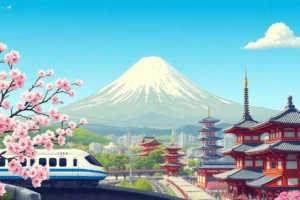
Japan stands at the fascinating crossroads of ancient traditions and cutting-edge technology, a juxtaposition that captivates the imagination of many around the globe. From its ethereal shrines and age-old customs to its skyscrapers dotted with the latest innovations, Japan offers a unique perspective that implores visitors and locals alike to ponder the deeper meanings behind its customs and creations. Delving into five noteworthy facts reveals how this intricate interplay of tech and tradition shapes the societal ethos of Japan.
1. The Harmonious Blend of Shinto and AI
At the heart of Japan’s cultural identity is Shinto, the indigenous spirituality that reveres kami, or spirits, inhabiting natural elements. This rich tapestry of belief infuses daily life with rituals that date back centuries. Interestingly, the Japanese have begun to intertwine their spiritual practices with artificial intelligence. Temples and shrines are now leveraging AI to enhance visitor experiences, offering virtual tours and digital guides that tell the mythos of their surroundings. Visitors can engage with interactive exhibits that educate them on Shinto beliefs while simultaneously showcasing Japan’s advancements in technology. This confluence fosters a deeper understanding of tradition while offering a glimpse into the future.
2. Manga and Robotics: A Cultural Phenomenon
Manga, the quintessential Japanese comic art form, serves as an innovative lens through which society examines itself. Its narratives often juggle themes of human emotion, societal issues, and the futuristic utopia or dystopia that technology might engender. Meanwhile, Japan is recognized as a global leader in robotics development. The Shinkansen trains glide with precision, but it is in the realm of humanoid robots, like ASIMO, where art and science engage in an artistic dialogue. Manga frequently features robots, exploring their relationships with humanity. This profound cultural phenomenon illustrates a burgeoning fascination with the potential of technology to augment our human experience, raising questions about identity and coexistence in an increasingly automated world.
3. Tea Ceremonies and Smart Homes
The Japanese tea ceremony, or Chanoyu, is an exquisite ritual that transcends mere beverage consumption. It embodies principles of harmony, respect, purity, and tranquility. Participants undergo meticulous training to master the art, while the ceremony reverberates with centuries-old customs that honor nature and human connection. Conversely, the concept of a ‘smart home’ pervades urban living in Japan. These homes integrate IoT devices, allowing for seamless control over lighting, climate, and security. Ironically, while technology affords convenience, many households still cherish the practice of having tea together — a ritual that fosters familial bonds and mindfulness. The juxtaposition between the rootedness of tradition and the conveniences offered by modern technology invites contemplation on how the essence of connection remains paramount amidst evolving lifestyles.
4. Festivals and Innovations in Culinary Arts
Japan’s vibrant festivals, or matsuri, encapsulate the essence of celebration intertwined with age-old customs—think of the cherry blossom festivals that herald spring or the Gion Matsuri in Kyoto. These events display intricate floats, traditional clothing, and a palpable sense of community. Remarkably, culinary artisans have begun to incorporate innovative techniques into the preparation of traditional dishes. The ancient art of sushi-making, for example, is seeing chefs experiment with molecular gastronomy to create new textures and flavors, all while maintaining the integrity of the dish. This fusion of past and present highlights how cultural heritage can continuously evolve while also keeping its cherished practices alive, thus providing a fresh lens through which to view age-old traditions.
5. The Contemplative Art of Ikigai and Modern Work Culture
Ikigai, a concept that embodies the ‘reason for being,’ represents a profound understanding of purpose that drives individuals in their pursuits. Rooted deeply in Japanese philosophy, ikigai emphasizes balance amongst personal interests, professional aspirations, and societal needs. In modern Japan, where work-life balance has become a hot-button issue, the essence of ikigai has gained renewed importance. Organizations are increasingly acknowledging the significance of mental well-being and personal fulfillment amongst employees. As a result, businesses are implementing innovative workplace practices that encourage creativity and individual purpose, showcasing a shift from traditional structures. By weaving together ancient philosophies and contemporary business practices, Japan continues to inspire individuals to strive for a sense of balance in a fast-paced world.
Japan is a realm where contrasting elements coalesce into a singular experience. The interplay between technology and tradition fosters a multidimensional narrative that challenges preconceived notions. As one explores the avenues of Shinto shrines and robotics, tea ceremonies, and smart homes, as well as the vibrant culture of manga and culinary arts, it becomes apparent that Japan’s unique symbiosis of tech and tradition offers rich insights. The commitment to preserving age-old customs while embracing innovation reflects a society that is both deeply rooted yet astutely forward-thinking, encouraging a reevaluation of what it means to blend the past with the future. In this labyrinth of history and futurism, there lies a profound message inviting everyone to seek their own harmony in life.
FAQ
What is the significance of Shinto in Japanese culture?
Shinto is Japan's indigenous spirituality, deeply embedded in its cultural identity, emphasizing the reverence for kami or spirits in nature.
How does Japan blend tradition with modern technology?
Japan integrates traditional practices, like tea ceremonies, with modern innovations such as smart homes and AI, showcasing a harmonious coexistence.
What role does manga play in Japanese society?
Manga serves as a cultural lens, exploring human emotions and societal issues, often depicting futuristic themes in conjunction with robotics.





Leave a Reply