
Short Answer
Obsessive-Compulsive Disorder (OCD) is often misunderstood, frequently mischaracterized in popular discourse. The complexities of this mental health condition reveal a labyrinth of behaviors and thoughts that extend far beyond mere quirks or habits. Exploring the intricacies of OCD not only enlightens those directly affected but also fosters greater empathy and understanding among the general public. Here are five mind-twisting facts about OCD that transcend the usual stereotypes, delving into the nuances and realities faced by individuals living with this condition.
1. The Spectrum of OCD: More Than Just Cleanliness
While many associate OCD with obsession over cleanliness or order, the reality is strikingly diverse. OCD manifests in various forms, including checking, hoarding, contamination fears, and intrusive thoughts. The intrusive thoughts can manifest as violent or sexual imagery that can cause significant distress. Those suffering from OCD are often trapped in a whirlpool of anxiety, compelled to perform rituals to mitigate overwhelming dread. This spectrum underscores the urgent need for broader awareness; reducing OCD to mere cleanliness perpetuates stigma, invalidating the experiences of many.
2. Neurobiological Underpinnings: The Brain and OCD
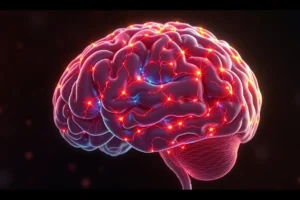
Research into the neurobiological mechanisms underlying OCD reveals that the brain operates distinctly when affected by the disorder. Functional neuroimaging studies indicate that activity in specific brain regions—particularly the orbitofrontal cortex, anterior cingulate cortex, and basal ganglia—seems hyperactive in those with OCD. This hyperactivity correlates with the obsessive and compulsive tendencies characteristic of the disorder. Furthermore, advances in genetic research hint at a hereditary component, suggesting that familial lines can influence susceptibility to OCD. Examining these neurological facets not only demystifies the condition but highlights the need for scientifically informed treatment approaches.
3. OCD in Children: Early Onset and Misdiagnosis
OCD often begins in childhood or early adolescence, yet it is frequently misdiagnosed as other issues like attention-deficit/hyperactivity disorder (ADHD) or behavioral problems. The symptoms in younger individuals can manifest as reluctance to participate in normal activities, such as leaving the house or attending school. Such avoidance can be mistakenly attributed to shyness or defiance. This misidentification compounds the challenges faced by children and their families, delaying appropriate treatment and exacerbating the condition. Raising awareness among educators, parents, and mental health professionals is crucial for enabling early recognition and intervention, which greatly enhances long-term outcomes.
4. Co-occurring Disorders: The Complex Landscape of Mental Health
Individuals with OCD often grapple with co-occurring mental health disorders, such as depression, anxiety disorders, or eating disorders. This interconnected web complicates treatment, necessitating a comprehensive approach that addresses each issue holistically. For instance, the cyclical nature of OCD and depression can create a feedback loop, where obsessive thoughts exacerbate feelings of hopelessness, potentially leading to more severe depression. Understanding these co-occurring conditions is paramount for clinicians in devising effective treatment regimens. Acknowledging this complexity provides a roadmap for personalized therapeutic strategies, which are crucial for effective recovery.
5. OCD in the Digital Age: Social Media and Misinformation
The advent of social media has altered the landscape of mental health discourse, including OCD. Online platforms can serve as double-edged swords—providing community support and resources while also disseminating misinformation. Popular portrayals of OCD often rely on stereotypes, reducing the disorder to mere quirkiness and overlooking the deep psychological strife experienced by many. Additionally, diagnostic labels can be carelessly applied, creating new anxieties among those seeking to understand their own experiences. Hence, while social media can foster connection and awareness, it is imperative that consumers of this content approach it critically, seeking validated information and support from qualified professionals.
In conclusion, the multifaceted nature of Obsessive-Compulsive Disorder challenges conventional perceptions and invites deeper exploration. The mind-twisting facts surrounding OCD emphasize the importance of understanding its diverse presentations, neurobiological foundations, and the interplay with other mental health conditions. Furthermore, with the influence of digital platforms, mindfulness in consumption of mental health discourse becomes crucial. By fostering robust dialogue and increasing awareness, society can better support those living with OCD in navigating their intricate realities. Attention to these nuances ultimately lays the groundwork for a more compassionate and informed future regarding mental health.
FAQ
What is OCD?
Obsessive-Compulsive Disorder (OCD) is a mental health condition characterized by intrusive thoughts and compulsive behaviors aimed at reducing anxiety.
How does OCD manifest?
OCD can manifest in various forms, including checking, hoarding, and contamination fears, often accompanied by intrusive thoughts.
Can OCD be misdiagnosed?
Yes, OCD is often misdiagnosed in children as other issues like ADHD due to overlapping symptoms.
What are the co-occurring disorders with OCD?
OCD frequently co-occurs with disorders such as depression, anxiety disorders, and eating disorders, complicating treatment.
How does social media affect perceptions of OCD?
Social media can spread misinformation about OCD while also providing community support, making critical evaluation of sources essential.





Leave a Reply