
Short Answer
The Roman Empire, with its magnificent architecture, complex societal structures, and remarkable historical narratives, continues to captivate the imagination of many. One of the most intriguing facets of this ancient civilization was its gladiatorial games, which were a potent blend of spectacle, brutality, and political power. Through these contests, the Romans expressed their cultural values, entertained the masses, and often emphasized their martial prowess. Below are 40 fascinating facts about gladiators and the context in which they operated within the Roman Empire.
1. Origins of Gladiators
The origins of gladiatorial combat can be traced back to Etruscan funeral rites, where battles were conducted as a means to honor the deceased. This practice exemplified the belief that death in battle honored both the fallen and the gods.
2. Types of Gladiators
There were various classes of gladiators, each with distinctive fighting styles and weaponry. The most notable types included the Murmillo, who wielded a sword and shield; the Retiarius, who fought with a net and trident; and the Thracian, known for his curved sword.
3. Gladiatorial Schools
Gladiators were trained in specialized schools called “ludi.” Here, they were taught combat techniques, physical conditioning, and survival strategies, honing their skills to capture the audience’s attention.
4. The Life of a Gladiator
Contrary to popular belief, not all gladiators were slaves. Some volunteered for fame and fortune, drawn by promises of monetary rewards, increased social status, or the allure of celebrity.
5. The Colosseum
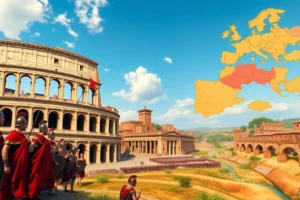
The Colosseum, or Flavian Amphitheatre, was the grand stage for gladiatorial combat and held up to 80,000 spectators. Its architecture could adapt performances based on the grandeur of the events, incorporating elaborate set designs and intricate machinery.
6. Spectacle beyond Combat
Gladiatorial games were not solely about fighting. They included exotic animals, intricate mock naval battles, and theatrical performances, providing a varied spectacle for the audience.
7. Political Tool
Emperors often used gladiatorial games as a means to garner public favor, especially during times of political unrest. By providing entertaining spectacles, they could divert attention from pressing issues.
8. The Role of the Editor
The editor, a position not unlike that of a modern-day promoter, was responsible for organizing the games. This role commanded significant influence over the type of gladiatorial events and even the outcomes of certain matches.
9. Gladiators and Social Status
Despite their often grim circumstances, successful gladiators could achieve tremendous fame and a higher social standing. They were celebrated by the public, and some even wrote autobiographies, recounting their adventures.
10. Ritualistic Elements
Combat began with a ceremonial salute to the editor and gods, signifying the gravity of the event. This added a layer of religious significance to the spectacle.
11. Pressures of Performance
Gladiators who failed to perform to expectations faced dire consequences, including punishment or death. The pressure to win was immense, shaping their intense training regimens.
12. Women Gladiators
While less common, female gladiators, known as “gladiatrices,” did exist, often performing in special events. Their participation defied typical gender roles of the time, as they fascinated audiences with their bravery.
13. Fights to the Death?
Contrary to the common portrayal in movies, not every gladiatorial fight ended in death. Many matches were fought under rules, and outcomes were often preordained to protect valuable fighters from being lost.
14. The Role of the Crowd
The audience played a significant role in determining the fate of defeated gladiators. Their cheers and jeers could dictate whether a fallen fighter lived or died, a reflection of their investment in the entertainment.
15. The Emperor as an Audience Member
Emperors often sat in the best seats, directly observing the competitions. Their reaction to the games influenced the public perception of the gladiators and the events themselves.
16. Medical Care for Gladiators
Surprisingly, gladiators received considerable medical attention. Injured fighters were treated by skilled medical practitioners, which was an early indication of surgical advancements in the Roman era.
17. Gladiatorial Contracts
Some gladiators signed contracts indicating their terms of service, detailing the duration of their commitment, their training regimen, and the specific terms for combat.
18. Gladiators and Sponsorship
Prominent Romans often sponsored individual gladiators whom they favored, closely aligning their interests and reputations with the fortunes of their champions in the arena.
19. Cultural Symbolism
Gladiators became potent symbols in Roman culture, representing strength, courage, and the martial spirit. Their imagery adorned mosaics, pottery, and public monuments.
20. Decline of Gladiatorial Games
As Christianity gained prominence, the moral implications of gladiatorial combat began to be scrutinized, leading to a gradual decline of the games by the early Middle Ages.
21. The Influence of Gladiatorial Combat
The concept of gladiatorial combat has influenced various forms of entertainment throughout history, permeating literature, theater, and modern media, echoing ancient themes of conflict and resilience.
22. Naval Battles
The Romans ingeniously staged naval battles within the Colosseum by flooding the arena, showcasing their engineering prowess while diversifying entertainment offerings.
23. Exotic Animals in the Arena
Gladiatorial games featured not just human combat but also the slaughter of exotic animals imported from across the empire, reflecting Rome’s dominance over nature and other cultures.
24. Performance and Discipline
Training at gladiatorial schools was rigorous and systematic, focusing on discipline, resilience, and mastery of tactics. This reflection of the wider Roman societal values of perseverance and dedication.
25. The Fittest Survived?
Due to their intense training, many gladiators had exceptional physical attributes. There were even competitions to determine the strongest, the fastest, and the most skilled fighters.
26. Gladiators as Heroes
Courageous gladiators were often portrayed as heroes, their stories celebrated in popular folklore and urban legends, reflecting the complex relationship between admiration and brutality.
27. Death as a Cultural Celebration
For the Romans, death in the arena was not merely an end; it was a performance that highlighted bravery, sacrifice, and the gods’ judgment, imbuing combat with profound significance.
28. Armor and Weaponry
Each type of gladiator wielded a unique combination of armor and weapons, crafted specifically for their fighting styles. This level of customization highlighted the importance of both function and appearance in the arena.
29. The Gladiator’s Oath
Before entering combat, gladiators often took an oath pledging loyalty to their masters and willingness to endure suffering for entertainment, encapsulating the blend of consent and coercion in their lives.
30. The Aftermath of Glory
Victorious gladiators were often rewarded with laurel wreaths and crowds chanting their names, though this glory had temporary effects as injuries and mortality were ever-present realities.
31. The Role of Slaves
Many gladiators were slaves, forcibly trained to fight. However, a slave’s status could be elevated through successful performance, indicating a modified social hierarchy built on prowess.
32. Fulfilling Prophecies
Sometimes, fights were staged with elaborate themes based on historical or mythological narratives, drawing on the audience’s familiarity with epic tales to enhance engagement.
33. The Golden Age of Gladiators
The peak of gladiatorial games occurred during the Imperial period, particularly under emperors like Augustus and Nero, where the games became increasingly grandiose and extravagant.
34. Lasting Impact on Modern Culture
The fascination with gladiatorial combat has seeped into contemporary media, inspiring films, literature, and even video games that explore themes of honor, strength, and survival.
35. Gladiatorial Paradoxes
Gladiators embodied a paradox of honor and violence, revered for their bravery yet often marginalized as expendable resources in the pursuit of entertainment and socio-political stability.
36. The “Demons” of the Arena
Some gladiators were referred to as “demons,” a term reflecting their perceived ferocity and fearsome presence during combat, hinting at the duality of their existence as both entertainers and fighters.
37. The Legacy of Gladiators
The legacy of gladiators extends beyond ancient Rome, influencing civil societies’ relationship with violence, spectacle, and the human drama played out in arenas worldwide.
38. Religious Significance
Gladiatorial games held religious significance within Roman culture, often dedicated to gods such as Mars, further intertwining faith with the spectacle of combat.
39. Unity in Diversity
Gladiatorial games brought together diverse populations of the empire, allowing populations to identify collectively through shared experiences of spectacle, transcending various cultural backgrounds.
40. Commemorative Practices
After their deaths, popular gladiators were often memorialized, with inscriptions celebrating their victories and valor, indicating the significant emotional investment the public had in their stories.
In conclusion, the world of gladiators in the Roman Empire encapsulates a complex tapestry woven with threads of valor, cruelty, and societal interpretation. From their humble beginnings as ritualistic combatants to celebrated public figures, gladiators challenge our understanding of heroism and popular culture. The indelible mark they left on history serves as a mirror reflecting humanity’s simultaneous fascination with and repulsion from violence, reminding us that the spirit of the arena continues to resonate throughout time.
FAQ
What were gladiators in the Roman Empire?
Gladiators were fighters in ancient Rome who engaged in combat for public entertainment, often in amphitheaters like the Colosseum.
Were all gladiators slaves?
No, some gladiators were slaves, but others volunteered to fight for fame, fortune, or social status.
Did every gladiatorial fight end in death?
Not all fights ended in death; many matches were regulated, and outcomes could be prearranged to protect valuable fighters.
What role did gladiatorial games play in Roman society?
They served as entertainment, political tools, and cultural symbols reflecting Roman values such as bravery, discipline, and martial prowess.
Were there female gladiators?
Yes, female gladiators, known as gladiatrices, existed but were less common and often performed in special events.


Leave a Reply