
Short Answer
As the leaves turn to vibrant hues of orange and gold, and the air grows crisp, the anticipation of Thanksgiving begins to bubble up, crowned by the iconic turkey. These plump, popular birds may appear to be simple festive fare, but beneath their colorful plumage lies a tapestry of extraordinary facts that can radically shift your perception of them. Prepare to embark on a feathered exploration, revealing 10 gobble-gobble facts about turkeys that are wilder than you think!
1. A Rich Ancestry
Turkeys are not just a modern culinary centerpiece; they hold an illustrious lineage that dates back over 10 million years. The wild turkey of North America, known scientifically as Meleagris gallopavo, is native to the continent and once roamed areas as diverse as forests, grasslands, and deserts. However, it shares its lineage with the ocellated turkey—a stunning, iridescent cousin found in Mexico, showcasing the rich biodiversity within the turkey family.
2. Intelligence in Flight
Contrary to popular belief, turkeys are far from foolish. These birds exhibit a remarkable level of intelligence and adaptability. Turkeys possess acute problem-solving skills that demonstrate their cognitive abilities. While some may assume they are solely ground-dwellers, they are proficient fliers, capable of soaring high into the sky for short distances, reaching speeds up to 55 mph! Their keen instincts serve them well in evading predators and navigating their environment.
3. The Complex Social Structure
In the wild, turkeys are decidedly social. They form intricate social structures and live in flocks that can number in the hundreds. Each flock is characterized by a hierarchy, determined through a complex system of pecking order and courtship displays. Surprisingly, these gatherings foster profound social bonds; turkeys communicate using a wide range of vocalizations, from soft clucks to loud gobbles, each conveying distinct meanings and emotions.
4. A Kaleidoscope of Colors
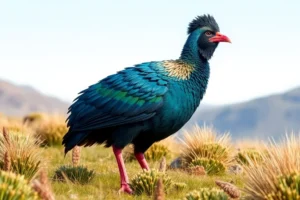
When imagining turkeys, one might think of a standard palette of browns and whites. However, did you know that wild turkeys boast an impressive array of colors? Their feathers shimmer with an opalescent quality, reflecting iridescent hues of green, blue, and bronze. This splendid display is not merely for aesthetics; these vibrant colors are essential during mating season, as males showcase their plumage in elaborate courtship rituals to attract hens.
5. Turkeys and the Art of Communication
Turkeys communicate through more than just quacks and gobbles; they have a sophisticated language of their own. A turkey can produce over 20 different vocalizations, each signaling something unique, from warnings of impending danger to calls for food. These calls can resonate through the woods, conveying crucial information among flock members about their surroundings and potential threats. This vocal complexity underscores their intelligence and social cohesion.
6. Not Just an Autumn Delight
While many associate turkeys with Thanksgiving, their significance stretches far beyond the holiday table. In fact, turkeys are an integral part of Native American culture, long revered for their nutritional value and spiritual symbolism. Various tribes incorporated turkeys into their folklore, art, and religious ceremonies, illustrating the bird’s deep-rooted connection to human history and tradition.
7. A Master of Survival
The wild turkey’s survival skills are nothing short of phenomenal. They are adept at foraging for food, consuming a diverse diet ranging from berries and seeds to insects and small reptiles. Their keen eyesight and acute sense of hearing give them an advantage in detecting danger, allowing them to navigate their environments with agility. These survival mechanisms have enabled the wild turkey population to rebound dramatically after near extinction in the early 20th century, showcasing the resilience of nature.
8. Sleeping Habits Like No Other
With their penchant for roosting, turkeys exhibit unique sleeping patterns. At night, they fly up into trees to roost—an instinctual behavior that protects them from ground predators. Turkeys possess strong, agile feet that allow them to grasp branches securely, ensuring a comfortable night’s sleep far from danger. This nocturnal avian strategy shows their evolutionary prowess in adapting to their ecosystems.
9. The Turkey’s Impressive Size
Perceptions of turkeys often lead one to think of them as mere dinner plates, yet the wild turkey can grow to astonishing sizes. Adult males, commonly known as toms, can weigh anywhere from 11 to 24 pounds and stand almost four feet tall with their impressive tails fully fanned. This sheer enormity places them among some of the heaviest birds in North America, challenging the notion that their domestic counterparts are the only ones of considerable size.
10. The Symbol of Abundance
Finally, turkeys serve as symbols of abundance in various cultures, representing prosperity and gratitude. Native American tribes honored these birds as essential food sources, and even today, they embody the spirit of gratitude during Thanksgiving celebrations. This rich cultural significance deepens our understanding of turkeys, elevating them beyond their culinary roles as mere festivity attendees to revered symbols of sustenance and community.
In conclusion, turkeys are far more than just the central figure of our Thanksgiving feasts. They are remarkable creatures steeped in ecological importance, cultural history, and biological wonder. From their vibrant feathers to their sophisticated social structures, these birds challenge our perceptions and remind us of the intricate beauty of the natural world that deserves our admiration and respect. Next time you gather around the dinner table, take a moment to reflect upon the wild and wily lineage of turkeys and appreciate the boundless fascination they evoke.
FAQ
What are some unique facts about turkeys?
Turkeys have a rich ancestry, display impressive intelligence, and possess a complex social structure.
How do turkeys communicate?
Turkeys can produce over 20 different vocalizations, each with unique meanings.
Why are turkeys significant in Native American culture?
Turkeys are revered for their nutritional value and spiritual symbolism, playing a role in folklore and ceremonies.





Leave a Reply