
Short Answer
When it comes to sports drinks, Gatorade stands as a titan, providing hydration and replenishment to athletes, fitness enthusiasts, and weekend warriors alike. But how much do you really know about this iconic beverage? Have you ever pondered what ingredients swirl together to create this electrifying elixir? Or perhaps you’ve wondered how it can transform your performance during intense training? Below, we delve into ten fascinating nutritional facts about Gatorade that will quench your thirst for knowledge and might even challenge your perception of sports drinks.
1. The Classic Electrolyte Combo
Gatorade is primarily lauded for its electrolytic components, notably sodium and potassium. These minerals play a pivotal role in regulating fluid balance and muscle contractions during physical exertion. When you sweat, you lose not only water but also essential electrolytes, which can lead to fatigue and cramping. Gatorade acts as a restorative agent, replenishing these vital nutrients quickly. How does this knowledge stack against your current hydration strategies?
2. Carbohydrate Content: Fueling Performance
Within every bottle of Gatorade lies a carbohydrate profile designed to fuel rigorous activity. Typically, a 12-ounce serving contains around 21 grams of carbohydrates. This concentration provides an accessible source of energy, helping to sustain endurance and delay fatigue. Have you considered how carbohydrate consumption during exercise can enhance your stamina? This insight might reshape how you approach your pre- and post-workout nutrition.
3. The Sugar Spectrum
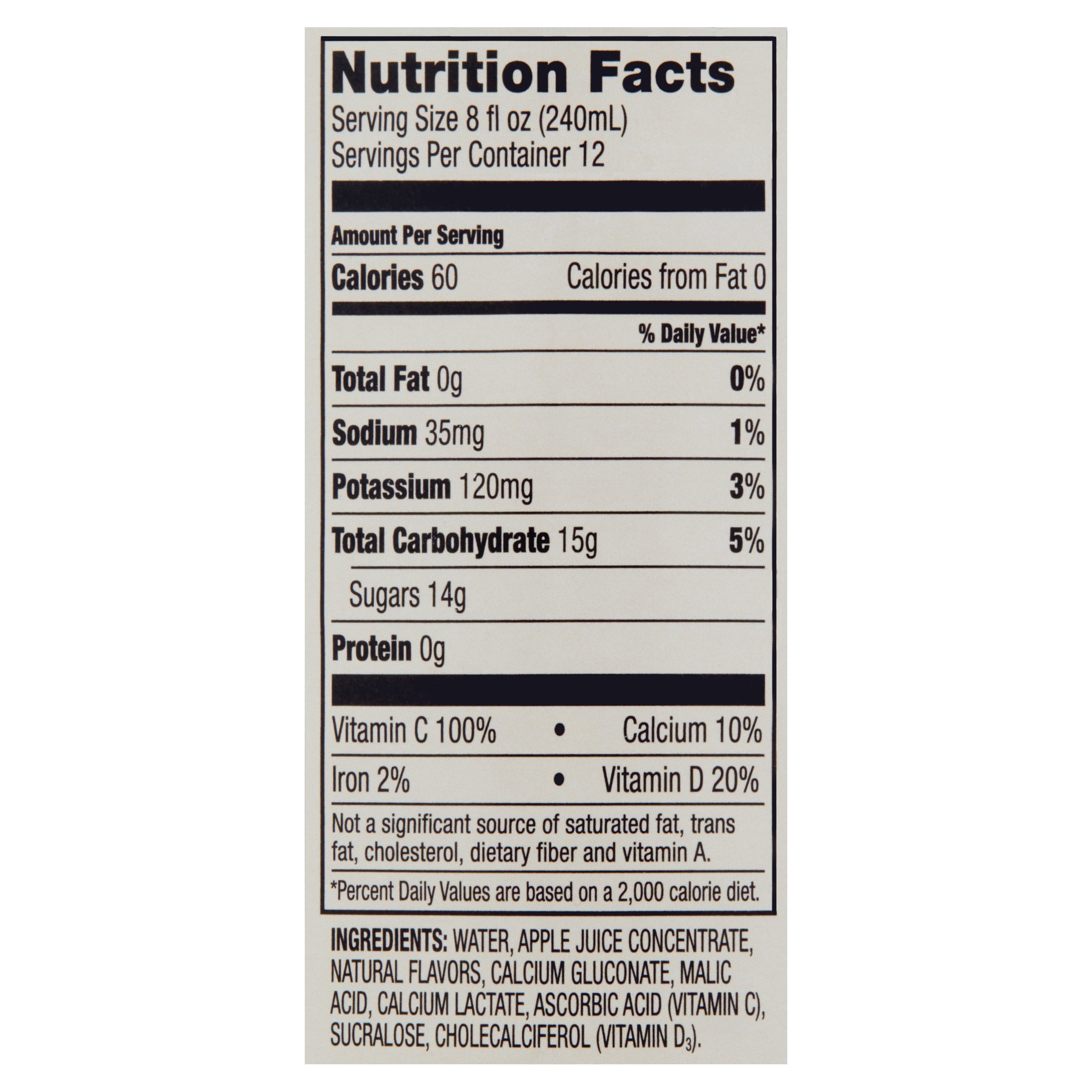
One could argue that Gatorade’s sweetness is its most recognizable trait. Most formulations contain sucrose and glucose, contributing to approximately 14 grams of sugar per 8-ounce serving. While this quick boost of energy is beneficial during a workout, it also begs the question: Is the sugar content a potential pitfall? Balancing energy needs with sugar intake could become a personal challenge for many athletes aiming for fitness without excess calories.
4. Variants for Varying Needs
Gatorade has expanded its repertoire significantly over the years, introducing variations such as G2, which boasts about half the sugar and fewer calories than the classic versions. This line caters to those who may want the benefits of an electrolyte drink without the added sugar rush. Are you aware of the alternatives available to cater to your individual dietary preferences? Exploring various variants may just lead to a delightful discovery!
5. Color and Flavor: An Aesthetic Appeal
A kaleidoscope of colors adorns Gatorade bottles, which are as eye-catching as they are diverse in flavor. But did you know that the artificial colors add not just visual allure but also consumer appeal? While the FDA permits these dyes for use, some individuals might question their long-term effects on health. Does a vibrant hue enhance your desire to hydrate, or do you lean towards more natural options? This could spark a conversation about aesthetics versus health.
6. Hydration Beyond the Field
Although Gatorade’s primary audience includes athletes, it’s also making waves among everyday consumers. Parents often reach for it post-game after their children’s soccer matches, while fitness enthusiasts may sip it during Zumba classes. This universal appeal raises an interesting evaluative question: To what extent should Gatorade be used by non-athletes? Might it redefine our understanding of hydration in everyday activities?
7. Science-Backed Formulation
The genesis of Gatorade was not spontaneous; it resulted from rigorous scientific research conducted at the University of Florida in the 1960s. The goal was to formulate a drink that could replace lost fluids and electrolytes, which signifies an innovative intersection of sports science and nutrition. Have you ever considered the scientific backing behind hydration strategies in sports? This might motivate some to delve deeper into nutritional science.
8. The Role of Caffeine
Some Gatorade variants now include caffeine, an ingredient that can enhance focus and provide a slight edge during extended physical activities. While the inclusion of caffeine might appeal to many, it raises questions about dependency and its impact on hydration. Should caffeine-enhanced Gatorade become a staple in your routine, or does it present new challenges for balanced hydration?
9. Gatorade and Recovery
Recovery is as crucial as performance when it comes to athletic endeavors. Gatorade not only serves to hydrate but also aids in recovery by replenishing the essential vitamins and minerals lost during intense workouts. Its strategic formulation aims to shorten recovery time between training sessions. Could optimizing recovery through Gatorade challenge traditional views on post-exercise nutrition?
10. The Environmental Impact
As awareness of environmental issues mounts, Gatorade faces scrutiny regarding its packaging and sustainability. The brand has initiated steps towards eco-friendliness, yet challenges remain. Is your consumption of bottled beverages contributing to a larger environmental concern? Pondering this aspect may provoke you to rethink your hydration choices in light of sustainability.
In conclusion, Gatorade is not just a sugary beverage; it embodies a complex blend of science, nutrition, and aesthetics. Each sip can be analyzed, dissected, and appreciated for its multifaceted approach to hydration and performance enhancement. Whether you are a seasoned athlete or an everyday individual, understanding these thirst-quenching facts about Gatorade could inspire lasting changes in your hydration strategy. So, the next time you reach for a bottle, think critically about its value—not just as a source of refreshment but as a part of a broader nutritional narrative.
FAQ
What is Gatorade?
Gatorade is a sports drink formulated to replace fluids, electrolytes, and energy lost during exercise.
How does Gatorade help athletes?
It replenishes electrolytes like sodium and potassium, provides carbohydrates for energy, and aids recovery after workouts.
Are there sugar-free options?
Yes, variants like G2 offer reduced sugar and calories for those seeking lower sugar intake.
Is caffeine included in all Gatorade products?
No, only select variants contain caffeine to enhance focus during prolonged physical activity.
What environmental issues are associated with Gatorade?
The plastic packaging contributes to environmental concerns, although the brand is working on sustainability initiatives.
Leave a Reply