
Short Answer
Quail, the small and unassuming birds often seen scuttling through underbrush or charmingly fluttering across fields, might not seem remarkable at first glance. However, their myriad fascinating traits and behaviors beckon deeper investigation. These diminutive creatures offer a captivating glimpse into the intricacies of avian life. Here are ten intriguing and tough facts about quail that illuminate their unique biology, social structures, and ecological significance.
1. Master of Camouflage
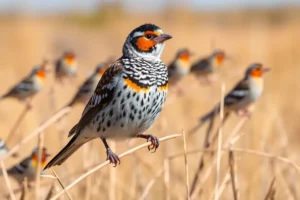
Quail possess a unique plumage that allows them to blend seamlessly into their environment. Their feathers often display a patchwork of browns, blacks, and tans that mimic the ground and brush they inhabit. This effective camouflage serves as a survival mechanism, helping them evade predators. Unlike many birds that fly high and far, quail prefer to remain close to the ground, making their disguise even more critical for their preservation.
2. Social Structure
Contrary to the solitary nature of many bird species, quail are inherently social animals. They thrive in coveys, which can consist of anywhere from five to thirty individuals. This grouping not only provides protection from predators through collective vigilance but also facilitates social interactions crucial for their mating rituals. The dynamics within these coveys can be quite complex, displaying a nuanced hierarchy that influences their behaviors.
3. Remarkable Reproduction
Quail are prolific creatures when it comes to reproduction. A single female can lay up to fifteen eggs in a single clutch, which she then incubates for approximately 21 days. These eggs are adorned with intricate patterns that further enhance their camouflage. The quick growth rate of hatchlings is astonishing; they can begin foraging for food within hours of hatching, underscoring their adaptability and survival instincts.
4. Vocal Communication
The melodious calls of quail create a symphony of sounds in their habitats, serving essential functions in communication. Males, in particular, are known for their distinctive bobwhite call, which plays a critical role in attracting females and marking territory. These vocalizations can vary significantly across different regions, showcasing an array of dialects that reflect the birds’ adaptability to their specific environments.
5. Adventurous Flyers
While quail are not renowned for their flying prowess, they are capable of short bursts of flight that serve crucial purposes. When threatened, a quail can launch itself into the air at astonishing speeds, reaching heights of up to 30 feet. This instinctive ability to take flight not only aids in evasion but also allows them to traverse their territories in search of food, mates, and shelter.
6. Diverse Diet
Quail are omnivorous and have a remarkably varied diet that reflects their adaptability. Their meals typically consist of seeds, fruits, and insects, making them quite versatile foragers. This diverse diet not only sustains them but also plays a vital role in their ecosystem. As they consume seeds, quail facilitate plant propagation, thereby contributing to the health of their habitats.
7. Conservation Challenges
Despite their adaptability, many quail species face significant conservation challenges due to habitat loss, changes in agricultural practices, and predation pressures. Their grassland and shrubland habitats are increasingly fragmented, hindering their ability to thrive. Conservation efforts are paramount to ensure the survival of various quail species, emphasizing the need for habitat preservation and sustainable land use practices.
8. Cultural Significance
Quail hold a unique place in various cultures, often symbolizing prosperity and abundance. In culinary realms, quail eggs and meat are prized for their delicate flavors and rich nutritional content. Beyond gastronomy, quail have been celebrated in folklore and art, representing themes of resilience and community. Their presence in human culture underscores the interconnectedness of nature and our lives.
9. Sexual Dimorphism
One of the more intriguing aspects of quail biology is sexual dimorphism, where males and females exhibit distinct physical characteristics. Males typically present more vibrant plumage with striking patterns, serving as visual displays to attract mates, while females are often more muted in color. This difference not only enhances mating rituals but also further emphasizes the critical role of visual communication in quail society.
10. Wild Adaptability
Quail have demonstrated remarkable adaptability in the face of environmental changes. They possess keen survival instincts, allowing them to adjust their behaviors based on seasonality and predation threats. As habitats change, quail are known to alter their foraging techniques and nesting strategies, showcasing an impressive resilience. This adaptability not only secures their survival but also highlights the broader implications of avian evolution in changing ecosystems.
In conclusion, quail embody a fascinating intersection of beauty, complexity, and resilience within the avian world. Their extraordinary traits, from their vocalizations and reproductive strategies to their critical roles within their ecosystems, reveal the profound intricacies of nature. As we observe these tiny yet tough creatures, we are reminded of the delicate balance within our ecosystems and the importance of protecting the magnificent diversity of life that exists around us.
FAQ
What are quail known for?
Quail are known for their camouflage, social behavior, distinctive calls, and ability to adapt to changing environments.
How do quail communicate?
Quail use vocalizations like the male bobwhite call to attract mates and mark territory.
What do quail eat?
Quail have a diverse diet including seeds, fruits, and insects.
What threats do quail face?
Habitat loss, predation, and changes in agriculture pose major threats to quail populations.
Why is quail conservation important?
Conservation helps maintain ecosystem balance and preserves biodiversity.

Leave a Reply