
Short Answer
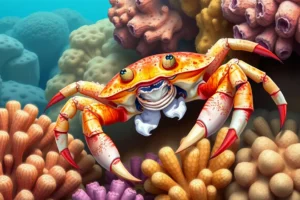
Hermit crabs may seem like unassuming critters, but they possess a fascinating set of characteristics and behaviors that can spark an awe-inspiring curiosity. These peculiar crustaceans, belonging to the infraorder Anomura, have made their niche in both terrestrial and marine environments. When you delve deeper into their world, you may discover some startling and delightful facts that challenge preconceived notions. Here are ten shelled cool facts about hermit crabs that not only reveal their unique adaptations but also promise a shift in perspective on these remarkable animals.
1. The Art of the Shell Swap
Unlike most crabs that develop a hard exoskeleton, hermit crabs inhabit empty shells, primarily those of mollusks such as snails. When a hermit crab grows, it finds a new shell to accommodate its increased size. This shell-swapping ritual is not just a solitary affair; it often involves a communal exchange. When one hermit crab vacates its shell, others may form a line, waiting to take their turn in what appears to be a well-coordinated heirloom circulation of shells.
2. The Role of Antennae
Hermit crabs possess a pair of long, sensitive antennae that serve multiple purposes, integral to their survival. Equipped with chemoreceptors, these appendages can detect both scent and taste in the air, enabling hermit crabs to forage for food, locate potential mates, and even sense predators. Their reliance on these tactile organs unveils a world beyond simple sight, illustrating their adeptness in navigating complex environments.
3. A Taste for Diversity
Omnivorous scavengers by nature, hermit crabs are not picky eaters. They relish a varied diet that ranges from detritus and algae to fallen fruits and even the carcasses of deceased creatures. This dietary flexibility plays a crucial role in the ecosystems they inhabit, as they contribute to nutrient recycling and the maintenance of a balanced habitat. Their foraging habits coalesce into an intricate web of life, showcasing their importance to environmental health.
4. Social Butterflies of the Shore
While some may think of hermit crabs as solitary creatures, they display a remarkable degree of social behavior. Many species are known to form little communities, sharing their habitats and foraging for food in groups. This social structure aids in protection against predators and helps to improve foraging efficiency. Their interactions also involve intriguing communication methods, including pheromonal signals that convey messages to fellow crabs. Such social behaviors illustrate that hermit crabs thrive not just independently but in concert with others.
5. Equipped with Adaptations
Hermit crabs showcase several intriguing adaptations that reflect their unique lifestyle. For instance, they exhibit a soft abdomen that can fit snugly into their domiciles, which protects them from environmental hazards and predators. Additionally, their specialized gills enable some species to breathe both air and water, allowing them to thrive in various habitats. These adaptations are nothing short of marvels of evolutionary creativity, demonstrating nature’s ingenuity.
6. A Terracotta Army of Shells
The traditional perception of hermit crabs being reliant solely on natural shells is not entirely accurate. Some hermit crabs are known to use a variety of synthetic materials, such as plastic or coral, when natural options are lacking. This ingenuity begs the question: are hermit crabs adapting to our increasingly polluted world? Their capacity to utilize synthetic materials reflects not only their resourcefulness but also serves as an indicator of environmental change, inviting a conversation about conservation efforts.
7. Prolific Reproduction
When it comes to reproduction, hermit crabs engage in fascinating behaviors that underscore their adaptability. Female hermit crabs can store sperm for several months before fertilizing their eggs, ensuring that they produce offspring when conditions are optimal. The resulting larvae undergo a complex life cycle that begins in the open ocean, away from potential predators. These adaptations highlight the species’ resilience and their strategic approach to survival.
8. Shell Collectors Extraordinaire
Interestingly, hermit crabs have a penchant for collecting shells—a behavior that goes beyond mere necessity. They can exhibit preferences for particular shell types based on size, shape, and even color, leading to a personal “collection” of sorts. As a result, they engage in a quirky competition for the most desirable shells, showcasing personality traits akin to those found in more traditionally regarded animal species. This shell aesthetic underscores their individuality and the selectivity inherent in their choices.
9. A Peek into the Life Span
Hermit crabs can lead surprisingly long lives—some species live up to 30 years in captivity with optimal care. This longevity can alter perceptions, shifting them from being merely temporary pets to cherished companions. Their extended life spans allow for deeper bonds to form, revealing that these tiny shelled wonders can be more than just a fleeting fascination.
10. Bridging Aquatic and Terrestrial Worlds
Many hermit crabs are strictly terrestrial; however, some species make exciting transitions between land and water. These amphibious hermit crabs possess specialized adaptations, allowing them to explore tidal pools, engaging with both flora and fauna of both realms. This dual existence symbolizes their versatility and propels hermit crabs into a captivating blend of ecosystems, demonstrating their importance as connectors of various biomes.
In conclusion, hermit crabs offer an astounding glimpse into the diversity and adaptability of life forms on our planet. Each of these ten traits not only adds layers of intrigue but redefines them from mere environmental dwellers to remarkable creatures with complex, fascinating behaviors. As we continue to explore and understand the myriad wonders of the animal kingdom, let the hermit crab serve as a reminder of the subtle yet significant marvels waiting to be discovered in unexpected places.
FAQ
What do hermit crabs eat?
Hermit crabs are omnivorous scavengers that eat detritus, algae, fruits, and even carcasses.
How long do hermit crabs live?
Some species of hermit crabs can live up to 30 years in captivity with optimal care.
Do hermit crabs live alone or in groups?
Hermit crabs often live in communities, sharing habitats and foraging for food together.

Leave a Reply