
Short Answer
Latin America is an enchanting tapestry woven from a multitude of traditions, languages, and histories that go beyond what one might pick up in a classroom. The vibrant cultures, culinary delights, artistic expressions, and community-centric lifestyles offer a profound glimpse into the heart of this diverse region. In delving into the cultural nuances of Latin America, one discovers a plethora of fascinating elements that merit exploration. Join us as we embark on a cultural odyssey, revealing aspects of Latin American life that often remain elusive to the average learner.
1. The Indelible Influence of Indigenous Cultures
Before the European conquest, a rich tapestry of indigenous civilizations flourished across the landscape. Cultures like the Aztecs, Mayans, and Incas left an indelible mark on contemporary Latin America. Their traditions, languages, and spiritual beliefs are still vibrant in several regions today. For instance, Quechua, Aymara, and Nahuatl languages persist, and indigenous festivals like Inti Raymi in Peru showcase ancient religious practices. Visitors may find themselves captivated by the seamless blending of these ancestral legacies in current music, dance, and art.
2. Culinary Diversity: Beyond Tacos and Empanadas
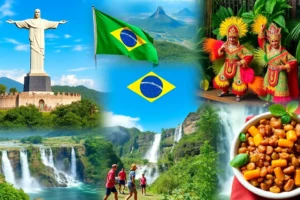
Latin American cuisine is a cornucopia of flavors shaped by indigenous ingredients, Spanish colonization, and African influences. While tacos and empanadas are well-known staples, there exists an expansive variety of regional dishes and techniques worth exploring. The Peruvian ceviche, a citrus-marinated seafood dish, boasts global acclaim, while Brazilian feijoada—a black bean stew—illustrates the robust flavors of Afro-Brazilian heritage. Additionally, the intricate rituals surrounding foods, such as the Mexican Día de los Muertos celebrations, highlight the cultural significance of cuisine in commemorating and connecting with communal history.
3. The Melodic Tapestry of Music and Dance
Music in Latin America is not merely an art form; it is the embodiment of a rich cultural synergy that reflects emotions and collective experiences. Rhythms of salsa, samba, tango, and mariachi each tell a distinct story originating from diverse regional influences. For example, tango, with its sultry moves and passionate melodies, lives and breathes in the streets of Buenos Aires. Conversely, the lively beats of cumbia resonate through tropical locales, often celebrated during festive gatherings. The connection between music and community fosters vibrant expressions of cultural identity that persist through generations.
4. Literary Contributions: Voices that Resound
The literary landscape of Latin America is adorned with luminaries whose words challenge societal norms and encapsulate the complexities of human existence. Writers such as Gabriel García Márquez, Julio Cortázar, and Clarice Lispector have carved their names into the annals of global literature. Magical realism, a genre pioneered by these authors, envelopes the reader in a narrative where the extraordinary seamlessly intertwines with the mundane. Delving into Latin American literature offers profound insights into historical struggles, socio-political contexts, and the rich emotional landscape of its people.
5. Festivals That Ignite the Soul
Vibrancy emanates from the diverse festivals that punctuate the Latin American calendar. Each celebration is infused with its own historical and cultural significance. The Carnival in Rio de Janeiro, renowned for its elaborate parades and electrifying samba performances, draws millions of revelers annually. In contrast, the color-filled Feria de Abril in Seville showcases traditional flamenco dances and Spanish cultural heritage. These occasions create communal bonds, allowing locals and visitors alike to engage in cultural rituals that transcend time.
6. The Spiritual Mosaic of Beliefs
Religion in Latin America is a captivating mosaic, juxtaposing indigenous beliefs with colonial influences. While Roman Catholicism predominates, many communities practice syncretic religions that intertwine spiritual elements from native traditions. The worship of deities intertwined with Catholic saints illustrates this multifaceted spirituality. Festivals celebrating these beliefs, such as the Feast of Our Lady of Guadalupe, reveal how deeply ingrained spiritual practices shape social cohesion, identity, and community values across the region.
7. The Architectural Heritage: A Journey through Time
Latin American architecture is a testament to the region’s complex history—an amalgamation of pre-Columbian structures, colonial edifices, and modern innovations. The majestic ruins of Machu Picchu epitomize ancient Incan engineering, while colonial cities like Cartagena reflect Spanish baroque charm. Additionally, contemporary Latin American architects, such as Oscar Niemeyer, have garnered international acclaim for their forward-thinking designs. A stroll through these urban landscapes reveals an enduring narrative that intertwines past and present, echoing the soul of its inhabitants.
8. The Resilient Spirit of Community
Community plays a pivotal role in the lives of individuals throughout Latin America. The concept of “familismo,” emphasizing family and community solidarity, fosters deep-rooted ties that extend beyond mere kinship. Expressions of support are seen in communal gatherings, cooperative businesses, and shared social initiatives. This spirit of unity becomes palpably evident during local fiestas, where neighbors come together to celebrate, share food, and craft a sense of collective identity that fortifies societal bonds.
As we conclude our exploration of the lesser-known aspects of Latin American culture, it becomes evident that this vibrant region is rich with diversity, history, and artistic expression. Its allure lies not only in its iconic landmarks or popular music but also in the intricate matrix of traditions, flavors, and community spirit that defines the everyday lives of its people. Understanding and appreciating these cultural dimensions fosters a deeper comprehension of Latin America, inviting travelers and learners alike to engage more meaningfully with its multifaceted identity. So, whether you are traversing the Andes, dancing the tango, or savoring a bowl of pozole, embrace the cultural opulence that awaits in this captivating part of the world.
FAQ
What are some key influences on Latin American culture?
Latin American culture is influenced by indigenous traditions, Spanish colonization, and African heritage, resulting in a unique blend of customs, languages, and practices.
What is the significance of festivals in Latin America?
Festivals in Latin America serve to celebrate cultural heritage, strengthen community bonds, and maintain traditions, often showcasing music, dance, and food.




Leave a Reply