
Short Answer
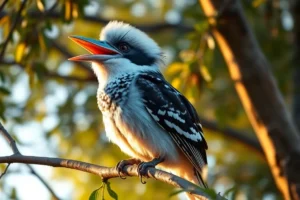
The bluebird, with its vibrant azure plumage and melodious song, has long captured the human imagination. Beyond its avian charm, the bluebird embodies a deeper symbolism of joy and fulfillment, weaving itself into the fabric of culture and mythology throughout history. This article delves into the reasons why the bluebird has come to signify happiness, exploring its representation in literature, folklore, and diverse cultural practices, while reflecting on the intricate connections between nature and human emotion.
1. The Symbolism of Color
The color blue has historically been associated with serenity and tranquility. In the natural world, few creatures boast such striking blue hues as the bluebird. Its captivating color is not merely a spectacle; it signifies the beauty of life and the elation that accompanies it. This association between blue and emotional well-being has permeated various cultures, linking the bluebird to happiness on multiple levels. Encompassing shades ranging from azure to cobalt, the bluebird’s color evokes feelings of expansiveness and freedom, mirroring the sky in which it soars.
2. Bluebirds in Folklore and Mythology
The resonance of the bluebird extends far beyond its aesthetic appeal. In numerous folk tales and mythologies, the bluebird is a prominent figure symbolizing hope, renewal, and joy. Native American tribes, for instance, often regard the bluebird as a messenger of happiness and prosperity. They tell tales emphasizing its role as a beacon of light that brings joy in times of darkness. Similarly, in various myths, bluebirds are seen as harbingers of spring, signifying rebirth after the hardships of winter, an uplifting metaphor that encapsulates the human experience of overcoming adversity.
3. The Bluebird in Literature and Art
The allure of the bluebird has transcended the realms of folklore, finding its way into the works of celebrated writers and artists. Notably, in the realm of literature, the bluebird symbolizes the quest for happiness and the elusive nature of fulfillment. In works such as “The Bluebird” by Maurice Maeterlinck, the bird epitomizes the ongoing human pursuit of joy, suggesting that true happiness often lies within rather than in external acquisitions. Through poignant imagery and lyrical prose, writers have immortalized the bluebird as a timeless symbol of optimism and a reminder to cherish the fleeting moments of joy.
4. Psychological Implications of Birdwatching
The experience of observing bluebirds in their natural habitat can evoke profound emotional responses. Birdwatching, a popular pastime for many, provides a unique opportunity for reflection and connection to nature. Studies suggest that engaging with wildlife can enhance mood, reduce stress, and foster a sense of peace. The presence of bluebirds, specifically, may amplify these positive feelings due to their vibrant appearance and cheerful demeanor. This interaction between human beings and the natural world suggests that the bluebird’s representation of happiness is not merely symbolic but also deeply ingrained in our psychological fabric.
5. The Bluebird as a Cultural Icon
Throughout history and across cultures, the bluebird has emerged as an enduring emblem of happiness. As a cultural icon, it represents more than just a specific species; it embodies collective human aspirations for joy, love, and contentment. Whether depicted in art, music, or folklore, the bluebird resonates with a universal desire to find and celebrate happiness. Songs and poetry often use the bluebird to convey themes of hope, illustrating how this avian creature serves as a catalyst for emotional expression and a bridge connecting individuals to their innermost feelings.
6. Conservation and Connection
In contemporary times, the plight of the bluebird has also shed light on broader environmental issues. The decline in bluebird populations due to habitat loss and environmental changes serves as a poignant reminder of the interconnectedness between nature and human happiness. The conservation efforts designed to protect these exquisite birds not only aim to preserve biodiversity but also to safeguard the symbolic essence they provide. By fostering an appreciation for the bluebird, conservation initiatives encourage a deeper connection between humans and nature, reinforcing the idea that our emotional well-being is intricately tied to the health of our environment.
7. Personal Reflection and Happiness
In contemplating the bluebird and its associations, each individual may find personal meaning and reflections on happiness. The bluebird invites introspection, urging one to consider what brings fulfillment and joy into their own life. Whether it’s the pursuit of passions, the fostering of relationships, or the appreciation of nature’s wonders, the bluebird may serve as a gentle reminder of the beauty and simplicity found in life’s offerings. It prompts us to seek out our own ‘bluebird moments’—those fleeting times of joy that, when cherished, can create a profound sense of happiness.
Conclusion
The bluebird, with its exquisite color and enchanting song, embodies a multifaceted symbol of happiness that has woven itself into the very tapestry of human culture. From folklore to literature, and from art to conservation, the bluebird resonates deeply with our collective pursuit of joy. By nurturing a connection to this remarkable bird and what it represents, we not only honor its beauty but also enhance our understanding of happiness itself. Ultimately, the fascination with the bluebird serves as an enduring testament to the human spirit’s aspiration for joy and the interconnectedness of all living creatures in the quest for fulfillment.
FAQ
What does the bluebird symbolize?
The bluebird symbolizes happiness, joy, and renewal across various cultures and mythologies.
How does birdwatching affect mental health?
Birdwatching can enhance mood, reduce stress, and foster a sense of peace, with bluebirds specifically amplifying these positive feelings.
What are the conservation challenges facing bluebirds?
Bluebird populations face challenges due to habitat loss and environmental changes, highlighting the need for conservation efforts.
Leave a Reply