
Short Answer
Fruits are a feast for the senses. The vibrant colors, tantalizing aromas, and myriad flavors tantalize the palate and evoke memories of sun-drenched orchards and summer picnics. Still, beneath their appealing exterior lies a trove of peculiarities that may surprise even the most seasoned fruit aficionados. As you delve into the intriguing world of fruits, prepare to have your perspective shift dramatically. Here are some strange facts about fruits that you’ll find yourself quoting—each fact beckons with whimsy and wonder.
1. The Unassuming Banana is a Berry
One of the most disconcerting truths about the fruit world is that bananas, commonly perceived as a solid staple, are technically classified as berries. Yes, you read that correctly—botanically speaking, bananas come under the berry category due to their development from a single ovary and absence of a hard pit. This classification can unsettle those who pride themselves on knowing their fruits but invites deeper contemplation about culinary taxonomy.
2. Apples Float, But Cucumbers Sink
Ever pondered the reason apples bob in water while cucumbers succumb to the depths? This curious fact arises from the fruit’s density and air content. Apples contain approximately 25% air, granting them buoyancy, whereas cucumbers possess a higher density than water, sending them downwards. The sight of floating apples during festive harvest activities elicits joy while prompting the question: What other fruit mysteries lie beneath the surface?
3. Strawberries are Technically Not Berries
Strawberries challenge conventional selective classification—while they are named “berries,” they lack the defining characteristics of a true berry. Instead of developing from a singular ovary, strawberries are aggregate fruits, formed from multiple tiny seeds embedded in their fleshy exterior. This distinction provokes curiosity about the complexity of crop classifications, urging for deeper exploration into botanical nuances.
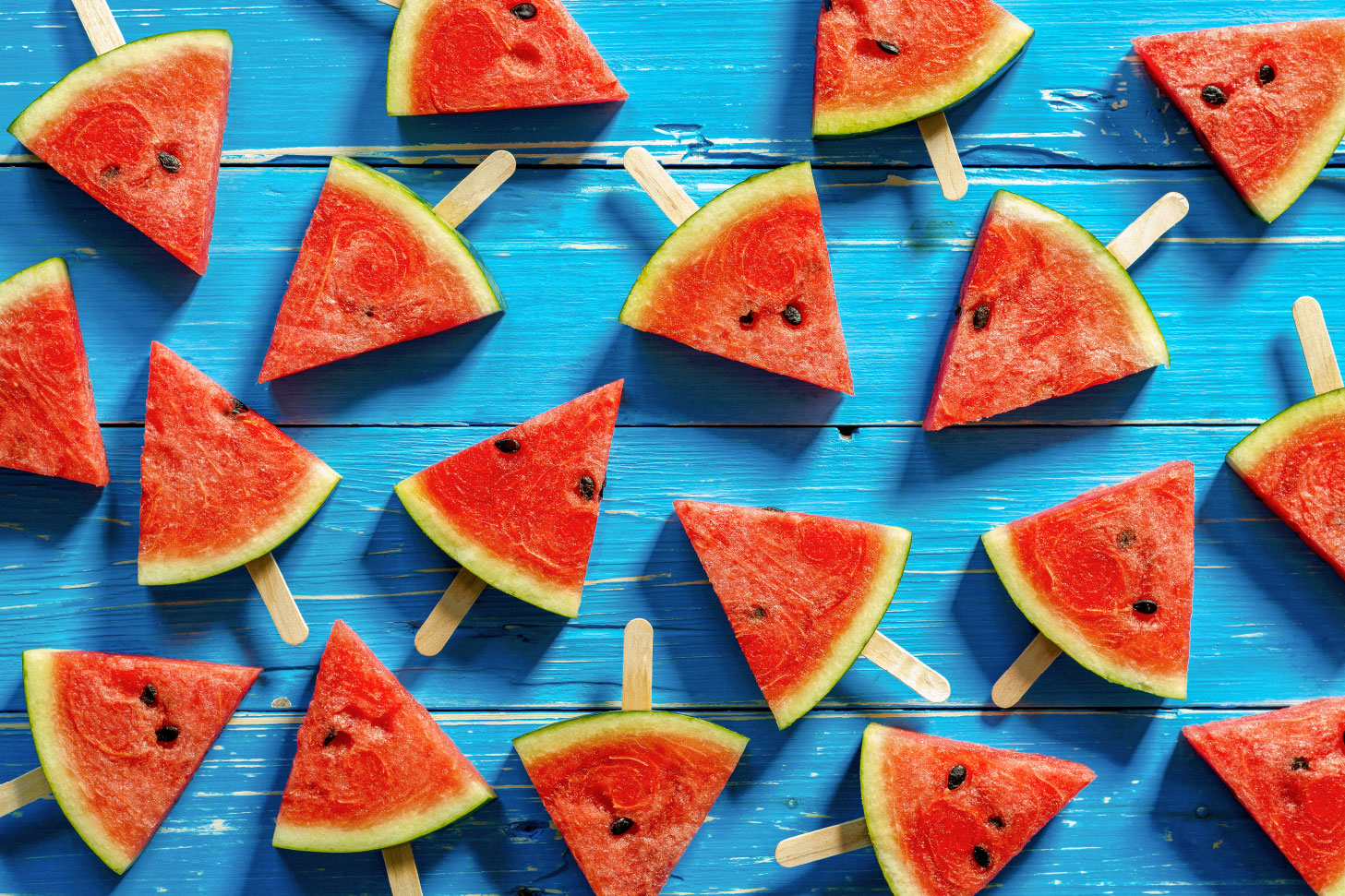
4. Watermelons are More Than 90% Water
As the epitome of refreshing summer fruit, watermelons indeed live up to their name; over 90% of their composition is water. This innate juiciness renders them perfect for hydration on sweltering days. Beyond refreshing bites, watermelons can be utilized in creative culinary concoctions, such as salads, salsas, and even cocktails. The next time you indulge in this summer classic, relish not only the flavor but its hydrating essence.
5. The Durian: King of Fruits
The durian is often dubbed the “king of fruits,” but it also garners a reputation as the “stinkiest fruit” thanks to its pungent aroma, which has led to its ban in various hotels and public transportation systems across Southeast Asia. Despite the olfactory challenge, enthusiasts rave about its creamy texture and unique flavor profile. This contentious treat draws attention to the cultural significance of fruits and how perceptions can vary drastically.
6. Figs are Infested with Wasps
If you’ve ever savored a fig, you might not be aware that it often contains a wasp or two. Figs rely on a symbiotic relationship with specific wasps for pollination. When the female wasp enters the fig, it lays its eggs and subsequently dies within the fruit, becoming part of the fig’s intricate structure. This peculiar partnership serves as a striking reminder of nature’s interdependence and the unexpected complexities of our food sources, urging an examination of the unseen threads of life that entwine our existence.
7. Tomatoes are Fruits, Not Vegetables
Although they commonly inhabit salads and sauces, tomatoes are fruits in their own right. Their classification stems from their formation from a flower’s ovary, diverging from culinary traditions that often categorize them as vegetables. This realization invites reflection on societal culinary norms and encourages a broader understanding of what constitutes fruit versus vegetable, challenging ingrained perceptions.
8. Cherries Can Be Toxic
While cherries are beloved for their sweet delight, the leaves, stem, and seeds of the cherry contain cyanogenic compounds that can pose toxicity risks if ingested in substantial quantities. This fact serves as a sobering reminder about the importance of knowing our food—deliciousness is often accompanied by hidden dangers that should not be overlooked.
9. Pineapples Take Two Years to Grow
Patience is indeed a virtue in the case of pineapples, which require approximately two years to reach maturity. This elongated cultivation period brings to light the complexities of agricultural practices, emphasizing the investment of time and resources needed to produce adulation-inducing fruits. Each time you savor the tropical sweetness of a pineapple, take a moment to appreciate the years of growth that preceded your indulgence.
10. Oranges Were Once Rare
In the not-so-distant past, oranges were a luxury prized by the elite. Their rarity and accessibility only heightened the allure, making them symbols of wealth and privilege. The fact that common fruits were once reserved for the affluent adds a fascinating layer to our understanding of fruit history, compelling us to examine our perspectives on accessibility, abundance, and changing cultural narratives.
In Conclusion
Diving deep into the realm of fruits reveals a splendid symphony of stories, each waiting to challenge your perceptions and provoke your curiosity. From the buoyancy of apples to the aromatic allure of durians, these seemingly simple gifts of nature are steeped in complexities and enigmas. So, the next time you reach for a piece of fruit, pause and consider the multitude of curiosities wrapped in its layers. Let these strange facts lead you into a deeper appreciation of nature’s bounty—inviting laughter, reflection, and perhaps the urge to share your newfound knowledge with others.
FAQ
What makes bananas unique among fruits?
Bananas are classified as berries due to their botanical structure.
Are there any fruits that can be toxic?
Yes, cherry leaves, stems, and seeds contain cyanogenic compounds that can be toxic if consumed in large amounts.

Leave a Reply