
Short Answer
Emotions, like tempestuous oceans, rise and fall within us, often manifesting in tangible ways that beckon us to explore their depths. Among the most familiar yet intriguing responses to overwhelming feelings is crying—a primal expression of grief, joy, or empathy. Yet, some may find their left eye conspicuously more susceptible to weeping than the right. This phenomenon, both perplexing and enlightening, can spark curiosity about the intricate interplay between our physiology and emotions.
So, why does your left eye seem to tear more abundantly when you cry? To unravel this enigma, we must delve into the anatomical and emotional facets that shape this exquisite human experience.
1. The Anatomy of Tears
Tears are not simply a salty discharge—each droplet encapsulates a complex orchestration of bodily functions and emotional states. Primarily, tears are produced by the lacrimal glands, which are nestled under the outer corners of each eyelid. When crying, the lacrimal apparatus activates, releasing a cascade of tears. However, not all tears are created equal. The three main types of tears—basal, reflex, and emotional—each have unique compositions and functions, enriching the interplay of emotions and physiology.
2. The Emotional Spectrum
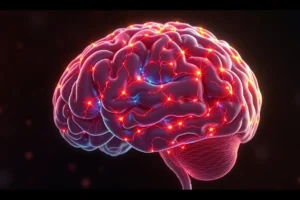
Emotions, like vibrant colors on an artist’s palette, can influence the rate and location of tear production. For instance, joy might trigger a gentle flow, while sorrow could unleash a torrential downpour. The brain, a conductor of this intricate symphony, processes feelings through the limbic system, which governs our emotional responses. This connection emphasizes the profound relationship between our thoughts, emotions, and physiological reactions, leading to the observation that one eye may dominate the tearful expression.
3. Lateralization of Emotion
Neuroscience suggests that our brains may exhibit a kind of lateralization regarding emotions, with the right hemisphere more intimately connected to feelings and emotional reactions. In this context, the left side of the body, including the left eye, is often associated with emotional expression. Thus, one may find that their left eye overflows more readily during moments of emotional vulnerability. This connection can evoke a sense of poetic harmony—our left side becomes a mirror reflecting our internal tumult.
4. Physical Factors at Play
Beyond the emotional tapestry lies the physical structure of our eyes and facial musculature. Each eye is governed by distinct muscular control and neural pathways. If you are predisposed to certain conditions, such as allergies or sinusitis, this can exacerbate tearing in one eye more than the other. It’s also intriguing to note that irritants, such as wind or smoke, may impact one side of your face more, influencing tear production asymmetrically. Factors like these illustrate how the physical and emotional realms are inextricably linked, like two sides of the same coin.
5. Environmental Influences
The environment acts as an unseen puppeteer, pulling the strings of our emotional release. Factors such as lighting, allergens, or physical stimuli can affect tear production. For example, sunlight glaring through a window may elicit reflex tears from one eye if it is more exposed. Similarly, the ambient atmosphere in a room replete with poignant memories can provoke tears in one particular eye, inviting nostalgia. The unique appeal of our emotional landscape is woven meticulously with these environmental threads, forming a complex narrative.
6. Cultural and Social Constructs
Culturally, we often associate certain emotions with specific physical manifestations. Some cultures may regard tears from the left eye as a sign of sincerity and depth, adding a social dimension to the asymmetry in tearing. These constructs highlight the rich tapestry of human expression and experience, suggesting that beyond the physiological, social expectations shape how we perceive and interpret our emotional responses. It is a striking reminder of how interconnected we are through shared experiences and societal norms.
7. Personalizing the Tearful Experience
Ultimately, the way individuals experience tears, including the predominance of flow from the left eye, varies with personal history and emotional state. The left eye may symbolize your unfiltered self, spilling forth tears in moments of profound clarity or sorrow. This adds a deeply personal layer, transforming simple weeping into a cathartic connection to one’s essence. It becomes a language all its own, using droplets to articulate stories too profound for mere words.
In conclusion, the phenomenon of one eye tearing more than the other is a captivating interplay of anatomy, emotion, and individual experience. The left eye, with its capacity for heightened emotional expression, invites us to explore not only the science behind tears but also the art of human emotion. As we navigate through life’s vicissitudes, the tears we shed—whether from joy or sorrow—serve as a poignant reminder of our shared humanity, connecting us through the elegant dance of emotion and physiology. So the next time tears adorn your left eye, recognize it not just as a biological response, but as a profound narrative of what it means to be beautifully, imperfectly human.
FAQ
Why does one eye tear more than the other?
The predominance of tears from one eye can be influenced by anatomical differences, emotional responses, and environmental factors.
Is there a significance to tears from the left eye?
Culturally, tears from the left eye may be seen as a sign of sincerity, reflecting emotional depth.





Leave a Reply