
Short Answer
Every second Sunday in May, millions of individuals around the globe gather in celebration of one of the most poignant figures in their lives: their mothers. While the modern iteration of Mother’s Day is commonly associated with serenading brunches and heartfelt gifts, the true origins of this cherished holiday are layered in complexity and rich in history. Have you ever pondered how a day so celebrated in contemporary society emerged from relatively obscure beginnings? Moreover, could there be untold stories lurking beneath the surface that demonstrate the multifaceted nature of maternal reverence? Let us embark on a journey to unravel these intriguing connections, exploring the origins of Mother’s Day beyond the commercialized version we recognize today.
The Ancient Roots of Mother’s Day
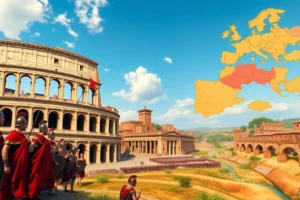
The reverence for mothers is woven into the fabric of human history, tracing back to ancient civilizations. The Greeks, for instance, held festivals in honor of Rhea, the mother of a pantheon of deities. These celebrations were marked by rituals that showcased the profound respect and admiration for maternal figures—a theme echoed through various cultures. In ancient Rome, the Matrona Festival celebrated Juno, the goddess of womanhood and marriage, which highlighted the essential roles mothers played in safeguarding family and societal integrity.
Equally compelling is the celebration found in early Christian traditions. The practice of “Mothering Sunday,” observed in the British Isles, stems from the notion of returning to one’s mother church—often equating to a day of reunion, feasting, and honoring mothers. This historic intertwining of maternal and spiritual reverence lays the foundation for what would eventually morph into the modern Mother’s Day we observe.
Mother’s Day: An American Invention?
One cannot discuss Mother’s Day without considering its transformation on American soil. The catalyst for the contemporary holiday, Anna Jarvis, sought to honor her mother’s memory in the early 20th century. After her mother, Ann Reeves Jarvis, passed away in 1905, Anna campaigned vigorously for a formal celebration of mothers, believing it essential to recognize their sacrifices and contributions. With the aid of her friends and supporters, she organized the first official Mother’s Day celebration in 1908 at St. Andrew’s Methodist Church in Grafton, West Virginia.
Yet, contrary to popular belief, Anna’s vision was not merely to commercialize the occasion. In fact, she was vehemently opposed to the commercialization of Mother’s Day, expressing antagonism towards the profit-driven motives of retailers and card manufacturers. Her fervor for preserving the day’s meaningful essence starkly contrasts with the modern-day celebrations dominated by extravagant purchases and extravagant displays. Could this dichotomy reflect a broader societal trend? Where is the delicate balance between genuine appreciation and commodification?
The Evolution of Mother’s Day: Global Perspectives
As Mother’s Day delineated a trajectory into the 20th century, variations of the celebration emerged around the world, each reflecting unique cultural nuances. In Mexico, the Día de las Madres is celebrated on May 10, where families gather to sing, share stories, and shower mothers with affectionate gestures. Unlike the more subdued American celebration, the Mexican observance transforms into vibrant festivities filled with music, food, and collective joy, intertwining familial bonds.
In Ethiopia, a more unique celebration, called “Antrosht,” occurs in the rainy season, during which children honor their mothers with songs, dances, and culinary delights — an emotive festivity that showcases the depth of familial connections and their cultural significance. This globalization invites contemplation on how individual cultures transform the essence of maternal appreciation—fostering a sense of belonging and unity.
A Modern Challenge: Reimagining Mother’s Day
The Future of Mother’s Day
As we stand on the brink of changing times, it is vital to reflect upon how we can usher in a new paradigm for Mother’s Day that honors its rich tapestry of origins while addressing today’s complexities. Nurturing genuine connections with mothers, grandmothers, and mother figures requires a commitment to authenticity. Ways to engage in deeper conversations about parenting and legacy can inspire future generations to appreciate the profound aspects of motherhood. By acknowledging both the history and modern context of motherhood’s evolution, society may well build a bridge from the past to the future—nurturing the values of empathy, gratitude, and understanding.
In conclusion, as we contemplate the origins and evolution of this significant holiday, let us steer conversation back to the initial intention that sparked the movement. May Mother’s Day serve not only as a singular day for appreciation but as an invitation to deepen our connections with maternal figures, fostering a legacy that honors their boundless love and invaluable contributions far beyond the confines of a calendar date. It is in this exercise of reflection, challenge, and redefinition that the heart of Mother’s Day can truly flourish and resonate through generations to come.
FAQ
When is Mother's Day celebrated?
Mother's Day is commonly celebrated on the second Sunday of May in many countries, but dates vary globally, such as May 10 in Mexico.
Who founded modern Mother's Day?
Anna Jarvis founded modern Mother's Day in the early 20th century in the United States to honor her mother and mothers' sacrifices.
What are the ancient origins of Mother's Day?
Mother's Day has roots in ancient Greek and Roman festivals honoring maternal goddesses like Rhea and Juno, as well as early Christian traditions like Mothering Sunday.
How is Mother's Day celebrated worldwide?
Celebrations vary globally, including festive music and food in Mexico's Día de las Madres and song, dance, and culinary celebrations during Ethiopia's Antrosht festival.
Did Anna Jarvis support commercialization of Mother's Day?
No, Anna Jarvis opposed commercialization and aimed to preserve Mother's Day as a meaningful day of appreciation.




Leave a Reply