
Short Answer
As twilight descends and the veil of night blankets the forest, an extraordinary phenomenon unfolds among the treetops. Enter the world of flying squirrels, remarkable creatures often spotted gliding gracefully through the air. These enigmatic mammals defy gravity and are a source of fascination for many who observe their surreal flights. With their large, expressive eyes and patagium—an elastic membrane stretching from their limbs to their bodies—they glide through the night sky with a mastery that evokes both wonder and curiosity. This article delves into the captivating world of flying squirrels, exploring their biology, behavior, habitat, and the profound reasons behind humanity’s fascination with these ethereal gliders.
1. The Biological Marvel of Gliding
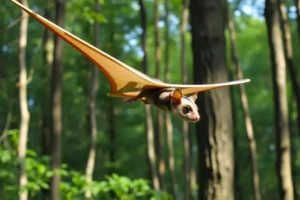
Flying squirrels possess a unique anatomical structure that facilitates their aerial prowess. Unlike traditional flying animals, they do not have wings. Instead, a membrane called the patagium allows them to glide effortlessly from one tree to another. This adaptation provides several advantages: it helps them evade predators, search for food, and travel significant distances without expending excessive energy. With a leap from a high branch, they can glide up to 150 feet, changing direction mid-air with remarkable precision. Their tails serve as rudders, helping to stabilize their descent and navigate toward their destination.
2. An Impressive Variety
Across North America, flying squirrels come in various species, each exhibiting distinctive characteristics. The Southern Flying Squirrel and the Northern Flying Squirrel are the most notable among them. The Southern variant, with its smaller size and lighter coloration, tends to be more social, while the Northern species is typically larger and exhibits slightly more solitary behavior. Both species are nocturnal, coming alive after dusk, providing ample opportunity for keen observers to witness their mesmerizing glides under the moonlight.
3. Social Yet Solitary
Flying squirrels are often labeled as social creatures, yet they possess a solitary side that intrigues ecologists. They live in small family groups, typically consisting of a mother and her young, sharing hollows in trees for protection against the elements and predators. However, once they mature, they tend to become more independent. This duality reflects a fascinating balance between social interaction and self-reliance, showcasing their adaptability to varying environmental conditions. This trait enables them to thrive in urban areas as well as in serene forests, highlighting their versatility as a species.
4. Gourmet of the Forest
The diet of flying squirrels consists primarily of fruits, nuts, and occasionally insects. Their acute sense of smell assists them in locating food sources even in the dark. Remarkably, flying squirrels play a crucial role in their ecosystems as seed dispersers. As they consume fruits and nuts, they inadvertently aid in the propagation of various tree species. This symbiotic relationship underscores their position as integral players in maintaining the health of their habitats.
5. Habitat Preferences
Flying squirrels are found in diverse habitats, ranging from dense forests to deciduous woodlands. They thrive in areas with ample tree cover, which provides both nesting sites and foraging opportunities. The availability of large, hollow trees is vital, as these serve as safer retreats from predators. Environmental changes, such as deforestation, can significantly threaten their populations, making conservation efforts paramount to ensuring their survival. Protecting their habitats not only safeguards flying squirrels but also the intricate balance of the ecosystems they inhabit.
6. The Symbol of Enchantment
At the heart of humanity’s fascination with flying squirrels lies their almost magical ability to glide effortlessly through the trees. This enchanting display stirs a sense of wonder and connects us to the mysteries of the natural world. In various cultures, these creatures have been symbols of agility, adaptability, and the spirit of freedom. Their nocturnal lifestyles invite curiosity and intrigue, often leading to folklore and tales passed down through generations. Each glimpse of these elusive mammals leaves observers yearning for a deeper understanding of their behavior and habits.
7. Conservation Challenges
Despite their adaptability, flying squirrels face several threats in the modern world. Habitat loss due to urbanization, logging, and agricultural expansion poses significant risks to their populations. Additionally, road mortality and predation by domestic pets further exacerbate their decline. Conservation efforts focused on preserving their natural habitats and restoring fragmented forests are essential. By promoting awareness about the ecological value of flying squirrels, communities can foster a deeper appreciation for these remarkable creatures and inspire action toward their protection.
8. Observational Mystique
For wildlife enthusiasts and casual observers alike, watching flying squirrels in their natural habitat is a rewarding experience. Armed with patience and the right tools—such as night-vision equipment or high-quality binoculars—one can witness their breathtaking glides and playful antics. Observing their behavior not only enhances our understanding of these creatures but also fosters a profound connection to the intricate tapestry of life that thrives in our forests.
In conclusion, flying squirrels encapsulate the essence of enchantment found within the animal kingdom. Their spectacular gliding abilities, social dynamics, and ecological importance kindle curiosity and admiration. As guardians of their forests, it is imperative that we prioritize their conservation, ensuring future generations can also experience the wonder these magical creatures evoke. Gliding through the canopy like phantom spirits, flying squirrels remind us of the mysteries that await discovery in the natural world.
FAQ
How do flying squirrels glide without wings?
Flying squirrels glide using a membrane called the patagium, which stretches between their limbs and body, allowing them to catch air and move smoothly between trees.
What species of flying squirrels are found in North America?
The Southern Flying Squirrel and the Northern Flying Squirrel are the two primary species found across North America.
Why are flying squirrels important to their ecosystems?
They serve as seed dispersers by consuming fruits and nuts, aiding in the propagation of various tree species.
What are the main threats to flying squirrels?
Major threats include habitat destruction from urbanization, logging, road mortality, and predation by domestic animals.
Can flying squirrels be observed easily in the wild?
Observing flying squirrels requires patience and often night-vision or binocular equipment, as they are nocturnal and elusive.


Leave a Reply