
Short Answer
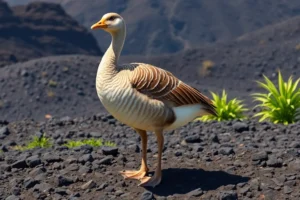
Ducks, often considered merely as whimsical creatures of ponds and parks, harbor a world of intriguing facts and profound insights that may forever alter your perception of them. Straddling a curious line between domestication and wildness, these avian beings are more than just charming waddlers. This guide explores everything about these fascinating fowls, venturing into aspects that remain unspoken or overlooked. Are you ready to delve deep into the enchanting life of ducks?
1. An Evolutionary Marvel
Ducks belong to the family Anatidae, a lineage that traces back millions of years. Unlike their feathered cousins, galliformes, which include chickens and turkeys, ducks have adapted remarkably to diverse environments—from bustling urban landscapes to serene rural wetlands. Their physiological adaptations, like webbed feet and specialized bills, prove invaluable for both foraging and swimming, painting a portrait of biodiversity.
2. Social Structures
Under the surface of their quacking exterior lies a complex social hierarchy. Male ducks, or drakes, engage in intricate courtship displays, often displaying vibrant plumage that is both an attraction and a status symbol. They form tight-knit family units or “flocks” that exhibit cooperative behaviors, demonstrating an unexpected level of intelligence that belies their simplistic reputation. Observing their interactions can reveal a ballet of communication, where honks, quacks, and body postures convey emotions and intentions.
3. Master Foragers
While ducks may appear carefree as they glide across the water, they are actually omnivores with keen foraging instincts. Their diet typically encompasses a range of elements, including aquatic plants, insects, and small fish. Moreover, certain species are proficient at dabbling, a technique where they tip forward into the water to access submerged vegetation, a behavior that highlights their adaptability and resourcefulness in the rhythmic ebb and flow of nature’s bounty.
4. Migratory Phenomena
Some species of ducks are renowned for their migratory patterns, traveling thousands of miles between breeding and wintering grounds. This transcontinental journey is nothing short of extraordinary, as these unassuming birds navigate using the Earth’s magnetic fields and celestial cues. This migration is not just about survival; it symbolizes a deep-seated instinct that underscores their tenacity and resilience in the face of perilous conditions.
5. Quirky Behavior
One cannot dismiss the delightful quirks intrinsic to duck behavior. From their endearing waddle to their playful splashing during water play, ducks exhibit a range of idiosyncratic habits that often provoke laughter and admiration. Interestingly, they also practice “head bobbing,” a behavior that researchers suggest may be a method of communication or a way to enhance their underwater vision. Their antics portray a whimsical mien, inviting joy into the often mundane tapestry of nature.
6. The Art of Nesting
Nesting is a hallowed pursuit among ducks, showcasing a remarkable dedication to progeny. Female ducks, or hens, go to great lengths to build their nests, often employing materials such as reeds, grasses, and feathers for insulation and camouflaging. Their instinctual drive culminates in the fiercely protective behavior they exhibit toward their eggs and ducklings, proving the old adage that motherhood knows no bounds—even in the avian world.
7. The Duck’s Voice: A Symphony of Sounds
The cacophony that ducks produce belies a sophisticated sonic repertoire. While the quintessential “quack” is the most recognized sound, ducks communicate through a variety of vocalizations, each serving its purpose—whether it’s signaling alarm or initiating courtship. The tonal qualities of their calls can reveal much about their emotional states, further emphasizing the bass note of their intelligence.
8. A Unique Connection to Humans
Ducks have inhabited our ecosystems alongside humans for millennia, forming a unique interdependence. In rural settings, they serve as effective pest controllers, eating weeds, insects, and even rodents, thus contributing to natural pest management. Domesticated ducks have also been utilized for their eggs and meat, providing sustenance and economic benefit. The bond between humans and ducks is a tapestry woven through shared habitats and mutual care.
9. Environmental Indicators
Beyond their charming aesthetics, ducks serve as vital indicators of environmental health. Their presence or absence in a particular ecosystem can signal shifts in biodiversity and water quality. As amphibious creatures, they are vulnerable to pollution and habitat destruction, underscoring the critical importance of preserving their natural habitats to maintain ecological balance.
10. Cultural Significance
Ducks have transcended their biological roles to permeate popular culture, appearing in folklore, literature, and art. From the whimsical tales of “The Ugly Duckling” to the iconic animated character Donald Duck, these fowl figures have captured human imagination, symbolizing various themes from transformation to humor. Such cultural narratives remind us of the profound connections we hold with wildlife.
In conclusion, ducks are far more than simple pond dwellers; they are intriguing, complex beings deserving of deeper appreciation. Through the lens of evolution, social structures, foraging behaviors, migratory tendencies, and their unique interactions with humans, ducks emerge as true icons of nature’s artistry. By shifting our perspective, we can recognize their intrinsic value and safeguard their existence in a rapidly changing world. They are, after all, not merely quacking creatures but vital threads in the intricate web of life. So, the next time you encounter a duck gliding peacefully on a pond, take a moment to reflect on its myriad hidden narratives and the rich tapestry of life it represents.
FAQ
What family do ducks belong to?
Ducks belong to the family Anatidae.
How do ducks communicate?
Ducks communicate through various sounds and body language, including quacks, honks, and head bobbing.
What is dabbling in ducks?
Dabbling is a foraging technique where ducks tip forward in the water to reach submerged vegetation.
Why are ducks considered environmental indicators?
Ducks reflect the health of ecosystems, as changes in their populations can indicate water quality and biodiversity shifts.
What cultural significance do ducks have?
Ducks appear in folklore, literature, and art, symbolizing themes like transformation and humor.
Leave a Reply