
Short Answer
Lemon sharks, a species belonging to the family Carcharhinidae, have captivated both scientists and enthusiasts alike due to their intriguing behavior and unique characteristics. These sharks, predominantly found in temperate waters from the Atlantic Ocean to the Caribbean, often evoke thoughts of danger and malice when one hears the word “shark.” However, the lemon shark’s disposition towards humans can often be misconstrued. This article delves into the multifaceted nature of lemon sharks, exploring their behavioral traits, ecological roles, and interactions with human beings, shedding light on the question: Are lemon sharks friendly predators?
1. Understanding the Lemon Shark
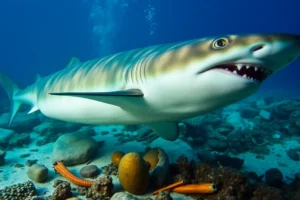
The lemon shark (Negaprion brevirostris) is named for its distinct yellow-brown coloration, which provides an effective camouflage against sandy ocean floors. This natural adaptation enables them to ambush prey and evade potential threats. Adult lemon sharks can grow up to ten feet in length, possess a robust body, and have distinctive blunt snouts. Beyond their physical attributes, identifying their behavioral tendencies is crucial in forming an accurate picture of their nature.
2. Behavioral Traits: Social Creatures of the Sea
One of the remarkable aspects of lemon sharks is their social behavior. They are known to exhibit gregarious tendencies, often forming schools during the day, particularly among juveniles. These schools serve several purposes: they provide protection against predators, enhance foraging efficacy, and facilitate social interactions. Fascinatingly, research suggests that lemon sharks develop social hierarchies, with dominant individuals often exerting influence over the group dynamics.
Moreover, lemon sharks are remarkably curious creatures. Unlike many other shark species, which may display immediate aggression towards unfamiliar stimuli, lemon sharks tend to investigate new objects or beings with a measure of caution and inquisitiveness. They often approach divers and other marine life, examining them closely before determining the best course of action. This combination of curiosity and social affinity hints at a complex behavioral repertoire, leading many to question the inherent aggressiveness attributed to sharks in general.
3. Ecological Significance
Lemon sharks play a crucial role in maintaining the health of marine ecosystems. As mesopredators, they occupy an essential niche in the trophic chain. Their diet predominantly consists of bony fish, crustaceans, and occasionally mollusks, which helps regulate the populations of these species, ensuring balanced marine environments. By hunting prey, lemon sharks contribute to the dynamics of marine life, allowing for nutrient cycling and habitat preservation.
This ecological stewardship extends to their role in coral reef health. By preying on herbivorous fish species that graze on algae, lemon sharks help maintain the biodiversity of coral ecosystems. Excessive herbivorous grazing can lead to coral degradation, so the presence of lemon sharks can be a natural counterbalance, promoting coral resilience and recovery.
4. Interaction with Humans: The Misunderstanding
Historically, sharks have been vilified due to sensationalized media portrayals and a few high-profile incidents. However, the interactions between lemon sharks and humans often tell a different story. Many divers and researchers have reported non-aggressive encounters with lemon sharks. In fact, divers in tropical waters often swim alongside these sharks, enjoying their playful nature and non-threatening demeanor.
The perception of lemon sharks as “friendly” may stem in part from their inquisitive behavior as they approach divers with an apparent lack of malice. While it is essential to maintain a respectful distance and recognize their wild instincts, the likelihood of aggressive encounters is significantly lower than often imagined. Educative programs focusing on shark conservation can further enhance public understanding of these creatures, fostering a sense of harmony between humans and marine life.
5. Conservation Status and Threats
Despite their relatively innocuous nature, lemon sharks face threats stemming primarily from human activities. Overfishing, habitat loss, and the consequences of climate change pose significant risks to their populations. The International Union for Conservation of Nature (IUCN) lists lemon sharks as near threatened, highlighting the urgency for conservation efforts. Sustainable fishing practices and marine protected areas are vital for ensuring the survival of this charismatic species.
Advocacy for preserving lemon shark habitats, such as estuaries and mangroves, is paramount. These ecosystems serve not only as nurseries for young sharks but also as critical backdrops to diverse marine life. Organizations focused on marine conservation work tirelessly to educate local communities and policymakers about the significance of these areas, striving to implement effective protective measures.
Conclusion: Reassessing Our Views
In conclusion, the lemon shark embodies the paradox of being both a graceful inhabitant of our oceans and a misunderstood predator. Their complex social structures, ecological importance, and frequent non-aggressive interactions with humans challenge the ominous stereotype often associated with sharks. Awareness and sustained conservation efforts play pivotal roles in ensuring a future where lemon sharks can thrive, unfettered by the shadows of misconception. By reevaluating our understanding of these incredible creatures, we can cultivate a more harmonious coexistence, celebrating the wonders of marine biodiversity and the vital role that lemon sharks play within it.
FAQ
Are lemon sharks dangerous to humans?
No, lemon sharks are generally non-aggressive towards humans and often display curious behavior.
What do lemon sharks eat?
Lemon sharks primarily feed on bony fish, crustaceans, and occasionally mollusks.
Where are lemon sharks found?
Lemon sharks are commonly found in temperate waters from the Atlantic Ocean to the Caribbean.




Leave a Reply