
Short Answer
Japan, a captivating archipelago where the ancient meets the avant-garde, sprawls across the Pacific Ocean as an enigmatic tapestry of rich culture, stunning landscapes, and profound traditions. This country, steeped in history and adorned with natural beauty, offers a plethora of intriguing facets that beckon exploration. Here are ten fascinating facts about Japan that illustrate its unique allure and complexity.
1. The Land of the Rising Sun
The very name “Japan” translates to “origin of the sun,” a poetic nod to its geographical position east of the Asian continent. As the sun rises, so too does Japan unveil its treasures, from the breathtaking vistas of Mount Fuji to the serene temples of Kyoto. This metaphorical dawn is not just a celestial event; it symbolizes hope, renewal, and the beginning of myriad stories woven into Japan’s fabric.
2. A Symphony of Seasons
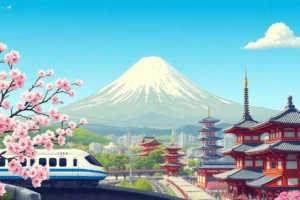
Japan’s climate is a painter’s palette, showcasing the delicate artistry of all four seasons. Each season brings forth a novel charm—the cherry blossoms of spring like soft pink clouds draped across the skyline; the vibrant foliage of autumn, akin to a fiery tapestry engulfing the landscape. This seasonal interplay profoundly influences Japanese culture, inspiring traditions such as Hanami (flower viewing) and Tsukimi (moon viewing), turning nature’s beauty into a spirited celebration.
3. Etiquette as an Art Form
In Japan, manners are not merely social niceties; they are elevated to an art form. The nuanced choreography of politeness can be likened to the intricate movements of a traditional tea ceremony. Bowing, gift-giving, and even the manner of receiving a business card are steeped in layers of respect and acknowledgment, echoing the country’s ethos that values harmony and community over individuality. Navigating this delicate landscape requires a keen appreciation for its subtleties.
4. Technological Utopia
In stark contrast to its reverence for tradition, Japan stands at the forefront of technological innovation, manifesting the ideal fusion of the ancient and the ultramodern. This juxtaposition is most vividly illustrated in cities like Tokyo, where neon lights and gleaming skyscrapers coexist with serene shrines and historic wooden houses. Robots roam the streets, while high-speed trains embody the country’s spirit of efficiency and progress. Japan’s technological advancements are woven into the everyday life, making it a true utopia of modernity.
5. Onsen Culture: The Social Bath
Deep beneath Japan’s volcanic surface lies a rich tapestry of onsen, or hot spring baths, which are a cornerstone of Japanese relaxation and socialization. Stepping into an onsen is akin to entering a mystical realm where time relinquishes its hold. Surrounded by nature, these springs offer not only physical rejuvenation but also a unique opportunity for connection and introspection. The soothing waters symbolize tranquility, inviting all who enter to shed their burdens and immerse themselves in a communal embrace.
6. A Culinary Wonderland
Japan’s gastronomy is a sumptuous banquet, bursting with flavors and artistry. From sushi, where each slice of raw fish is a delicate brushstroke on a culinary canvas, to ramen, a heartwarming bowl of deep complexities, the country’s cuisine reflects a profound respect for ingredients. Culinary practices are steeped in tradition, while innovative chefs continuously redefine what it means to eat in the Land of the Rising Sun, crafting a tantalizing dialogue between tradition and modernity.
7. The Language of Silence
Communication in Japan transcends verbal exchanges. Often understated, silence weaves through conversations like a gentle breeze, carrying with it undertones of emotion and respect. The Japanese language itself incorporates layers of meaning that require not only proficiency but also cultural understanding to grasp fully. Words are chosen delicately, and the power of unspoken understanding holds a particular significance, revealing a society that values thoughtfulness over noise.
8. Festivals that Ignite the Spirit
Japan’s festivals, or matsuri, erupt like fireworks across the calendar year, a vibrant kaleidoscope of color and joy. Each festival, whether the exhilarating Gion Matsuri in Kyoto or the hauntingly beautiful Obon festival honoring ancestors, serves as a testament to the community’s spirit and cultural heritage. These jubilant celebrations are not merely public events; they are living tributes to the past, where ancient rituals intertwine with modern life in an exuberant dance of tradition.
9. A Harmony of Nature and Aesthetics
The concept of “wabi-sabi,” the appreciation of beauty in imperfection and transience, permeates Japanese aesthetics. It is a philosophy that reveals itself in traditional arts such as pottery, flower arrangement (ikebana), and garden design. Nature plays a pivotal role, with landscapes meticulously curated to embody the natural world’s ephemeral beauty. This notion invites deeper reflection, encouraging the observer to find tranquility and beauty in the fleeting moments of life.
10. The Unyielding Spirit of Resilience
Japan’s history is marked by resilience, a phoenix rising from the ashes time and again after calamities such as earthquakes and tsunamis. This unwavering spirit manifests in a collective dedication to rebuilding and a communal approach to overcoming adversity. Each challenge faced only serves to fortify the national identity and unify the populace, embodying the essence of “gaman,” a term that encapsulates persevering with dignity through hardship.
In conclusion, Japan is not merely a destination; it is an odyssey of experiences waiting to be uncovered. Each facet, from its exquisite natural beauty to its rich traditions, creates a mosaic that captivates the heart and mind. As the sun continues to rise over this extraordinary nation, it casts a radiant light upon a world that effortlessly melds history with innovation, inviting all to partake in its splendid journey.
FAQ
What is the meaning of Japan's name?
Japan's name translates to 'origin of the sun,' reflecting its geographical position to the east of the Asian continent.
What is Hanami?
Hanami is a tradition in Japan that involves flower viewing, particularly the cherry blossoms in spring.
What is an onsen?
An onsen is a hot spring bath in Japan, which serves as a place for relaxation and socialization.
What is wabi-sabi?
Wabi-sabi is a Japanese aesthetic philosophy that appreciates beauty in imperfection and transience.
How do festivals play a role in Japanese culture?
Festivals, or matsuri, are vibrant celebrations that showcase community spirit and cultural heritage in Japan.




Leave a Reply