
Short Answer
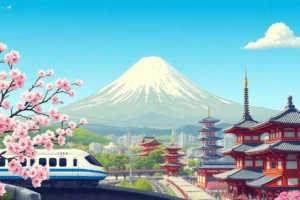
Japan, a land where ancient traditions coexist harmoniously with cutting-edge technology, is a fascinating tapestry of history, culture, and innovation. The juxtaposition of time-honored customs with modern advancements creates an environment rich in uniqueness and charm. Here are ten fun facts that delve into the captivating essence of Japan, revealing how tradition meets innovation in this extraordinary nation.
1. The Art of Kintsugi: Mending with Gold
Kintsugi, the Japanese art of repairing broken pottery with lacquer mixed with powdered gold, epitomizes the nation’s reverence for beauty in imperfection. Rather than hiding flaws, this practice celebrates the object’s history and enhances its aesthetic. This philosophy resonates deeply within Japanese culture, reminding individuals that scars tell stories and imperfections hold intrinsic value.
2. The Technological Marvel of Shinkansen
Japan’s Shinkansen, or bullet train, is a paragon of innovation, epitomizing efficiency and speed. Capable of reaching speeds exceeding 300 kilometers per hour, these trains connect major cities with remarkable punctuality. The Shinkansen is not just about transportation; it symbolizes Japan’s commitment to advancement while providing an experience rooted in comfort and safety, showcasing a seamless blend of technology and meticulous design.
3. Festivals Celebrating Seasons: Hanami and Matsuri
Throughout the year, Japan’s landscape transforms, giving rise to seasonal festivals that reflect the nation’s deep connection to nature. Hanami, the cherry blossom festival, invites individuals to gather beneath blooming sakura trees, celebrating the fleeting beauty of life. Conversely, Matsuri encompasses various traditional festivals held in different regions, often featuring elaborate floats, traditional attire, and the rhythmic chants of taiko drummers, bridging the past and the present.
4. The Evolution of Tea Ceremony: Chanoyu
The tea ceremony, known as Chanoyu, is a ceremonial ritual steeped in tradition, yet it has evolved dramatically in modern times. Originating in the 15th century as a simple gathering, it has transformed into a meditative practice encompassing ritualistic preparation and aesthetic appreciation. While it pays homage to centuries-old customs, contemporary interpretations often incorporate diverse teas and innovative serving methods, attuning to the tastes of modern participants.
5. The Cultural Significance of Ikebana
Ikebana, the meticulous art of flower arranging, transcends mere aesthetics through its philosophical underpinnings. Each arrangement aims to express harmony, balance, and simplicity. In today’s fast-paced world, ikebana serves as a reminder to appreciate fleeting beauty and embrace a mindful approach to life. Classes and workshops proliferate, blending time-honored techniques with contemporary flair.
6. Architecture of Contrasts: Traditional Meets Modern
Japan’s architectural landscape is an awe-inspiring amalgamation of traditional wooden structures, such as ancient shrines and temples, alongside sleek, modern skyscrapers. The juxtaposition showcases a unique respect for nature, as seen in the alignment of structures with their natural surroundings. This harmony exemplifies a cultural ethos that values both the preservation of history and the pursuit of progress, creating a distinctive urban and rural environment.
7. Innovative Cuisine: Fusion of Tradition and Trend
The culinary scene in Japan offers an eclectic fusion of flavors, where traditional dishes meet contemporary techniques. From sushi and ramen to avant-garde kaiseki dining, the Japanese palate embraces innovation while preserving age-old recipes. The rise of izakayas has further democratized dining culture, allowing sophisticated culinary experiences to flourish in informal settings. Each bite represents a historical narrative that mirrors Japan’s dynamic social changes.
8. The Heisei Period: An Era of Progress
The Heisei period, which lasted from 1989 to 2019, was characterized by significant advancements in technology and culture. It was during this era that Japan saw the rise of digital innovation, including the introduction of smartphones and robotics. This progressive inclination, juxtaposed with traditional values, fostered an environment where the old and new coexisted, shaping contemporary Japanese life and influencing future generations.
9. Ancient Practices: Sado, the Way of Tea
The ceremonial art of Sado, or “the Way of Tea,” remains a vibrant aspect of Japanese culture. Rooted in Zen Buddhism, Sado emphasizes mindfulness, harmony, and respect within its practice. Even as modern society embraces fast-paced lifestyles, Sado serves as a tranquil reprieve—a moment to reconnect with tradition and foster community. Workshops and tea houses maintain the authenticity of this practice while inviting new enthusiasts to experience its delicate rituals.
10. Embracing Sustainability: Eco-Friendly Innovations
In a society that values its environment, Japan has increasingly embraced sustainable practices and eco-friendly innovations. From green architecture that integrates natural materials to community drives promoting recycling, the commitment to sustainability reflects an awareness of the interdependence between nature and progress. This growing emphasis signifies a cultural shift towards harmonizing development with ecological preservation, ensuring that tradition continues to flourish amidst modernization.
In conclusion, Japan illustrates a captivating narrative where tradition and innovation dance in sync, shaping a distinct and vibrant culture. Each fact unveils layers of complexity, demonstrating how historical legacies intertwine with contemporary advancements. As Japan continues to evolve, it remains a testament to the beauty of embracing both the past and the future, fostering a rich tapestry that enchants and inspires all who engage with its multifaceted offerings.
FAQ
What is Kintsugi?
Kintsugi is the Japanese art of repairing broken pottery with lacquer mixed with powdered gold, celebrating beauty in imperfection.
What is the Shinkansen?
The Shinkansen, or bullet train, is a high-speed train in Japan known for its efficiency and punctuality, reaching speeds over 300 km/h.
What is the significance of the tea ceremony in Japan?
The tea ceremony, or Chanoyu, is a ritualistic practice emphasizing mindfulness and respect, it has evolved to include contemporary interpretations.





Leave a Reply