
Short Answer
Fun Facts About Woodrow Wilson: Reforms, Rivalries & Presidential Insight
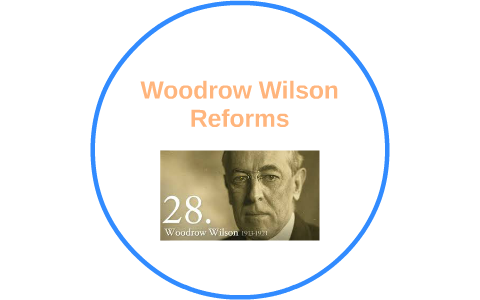
Woodrow Wilson, the 28th President of the United States, is often remembered for his profound impact on American politics and foreign policy. However, beyond the historical milestones, there are fascinating facts that paint a richer picture of this multifaceted leader. Have you ever considered how the intricacies of Wilson’s personality and his presidency shape our understanding of modern governance? Let’s embark on an exploration of Wilson’s life, focusing on his reforms, the rivalries he faced, and his unparalleled insights into leadership.
The Intellectual Omnivore of Princeton
Before ascending to the presidency, Woodrow Wilson was a prominent academic. He served as president of Princeton University from 1902 to 1910. Remarkably, Wilson was an intellectual powerhouse, publishing works on political science and history. His book, Congressional Government, outlined his belief in the need for a strong executive branch. This perspective laid the groundwork for his future policy decisions. Can you imagine a college president today shaping national policies based on academic theory?
Progressive Reforms: A New Era
Wilson’s presidency was characterized by a fervent commitment to Progressive reforms. His first term saw the implementation of significant legislation aimed at curbing corporate monopolies and improving economic conditions. Notable reforms included the Federal Reserve Act of 1913, which established the central banking system, and the Federal Trade Commission Act, designed to prevent unfair business practices.
Wilson also championed the Underwood Tariff Act, which reduced tariffs and implemented a graduated income tax. This was a radical departure from previous policies and signaled a shift towards greater governmental involvement in the economy. One might ponder, how did Wilson manage to push these reforms through amidst political opposition and public skepticism?
World War I and the Shaping of Foreign Policy
As World War I erupted in Europe, Wilson faced another layer of complexity. Initially advocating for neutrality, he later declared war in 1917, seeing it as necessary for democracy and global stability. Wilson introduced the Fourteen Points, a framework for peace negotiations that emphasized self-determination, disarmament, and open diplomacy. In doing so, he redefined America’s role on the world stage. But, was his vision of international cooperation naïve, or was it ahead of its time?
Rivalries at Home and Abroad
Wilson’s tenure was not without strife, particularly regarding his relationships with rival political figures. His progressive policies often met fierce resistance from conservative factions within his own party and the Republican opposition. Figures such as Senator Henry Cabot Lodge, a leading Republican, became staunch critics of Wilson’s League of Nations proposal, which he believed would entangle the U.S. in foreign conflicts.
The rivalry reached its zenith during the ratification debates for the Treaty of Versailles. Wilson’s unwillingness to compromise led to the treaty’s ultimate failure in the Senate. Could it be that Wilson’s unwavering ideals proved to be both his greatest asset and his ultimate weakness?
The First Presidential Phone Call
Woodrow Wilson was also the first president to utilize the telephone extensively. His innovative approach to communication transformed the way presidents interacted with their cabinets and the public. He made calls to discuss pressing issues and to rally support for his policies, breaking traditional barriers of presidential communication. Imagine if today’s leaders had to navigate a world without instant communication — how different would history have unfolded?
A Fighter for Women’s Suffrage
Woodrow Wilson’s evolving stance on women’s suffrage illustrates another layer of complexity in his character. Initially lukewarm, Wilson shifted towards advocating for women’s rights due in large part to the activism of suffragists. By 1918, he publicly endorsed the 19th Amendment, which ultimately granted women the right to vote. His change of heart raises an intriguing dilemma: was Wilson’s support a true philosophical shift, or merely a strategic move in the face of mounting pressure?
Illness and its Impact on Leadership
Towards the end of his presidency, Wilson suffered a debilitating stroke in 1919 that incapacitated him for much of his final term. This event not only altered the dynamics of his administration but also raised concerns about the transfer of power. Wilson’s wife, Edith, played a significant role in managing his affairs during his recovery, thereby raising questions about the role of spouses in political leadership. How does illness shape the legacies of world leaders, particularly in terms of transparency and governance?
A Lasting Legacy of Internationalism
Despite the controversies surrounding his presidency, Woodrow Wilson’s legacy endures. His vision for global cooperation and the establishment of the League of Nations inspired future international organizations, although the League itself was ultimately flawed. Today, we see echoes of Wilson’s ideals in pivotal institutions such as the United Nations. His ideology compels us to reflect on the balance between nationalism and globalism within our current geopolitical landscape.
Conclusion: The Complexity of Leadership
Woodrow Wilson’s story is one of triumphs and tribulations. His efforts to champion reforms, navigate complex rivalries, and project an idealistic global vision provide rich material for reflection on what it means to lead. As we look back on his presidency, we may pose a challenge: How can today’s leaders learn from Wilson’s successes and failures to navigate the modern complexities of governance? In exploring these fun facts about Woodrow Wilson, we uncover not just the man himself but also the many facets of leadership that continue to resonate in contemporary society.





Leave a Reply