
Short Answer
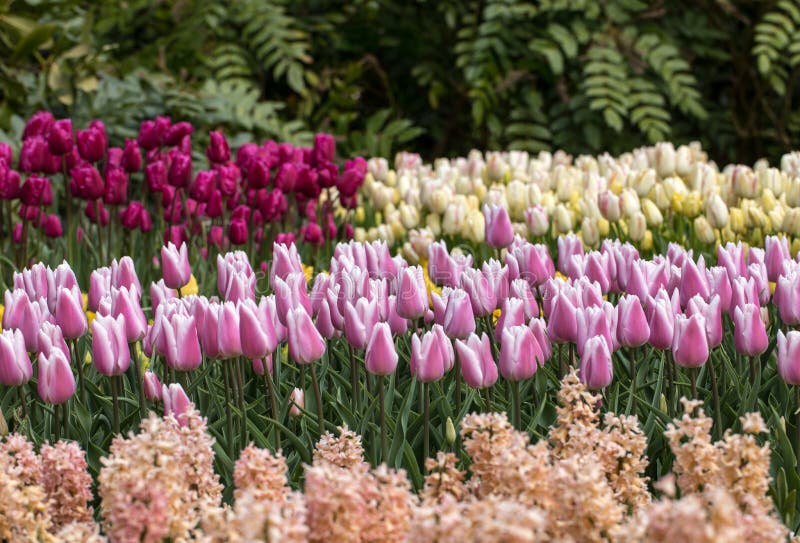
Tulips are more than just a mere flower; they are a veritable tapestry of color, history, and cultural significance—a natural masterpiece that has enchanted humanity for centuries. Originating from Central Asia, tulips have captured the hearts and gardens of people around the world, each bloom a vivid brushstroke in the canvas of spring. Below are some fun facts about these illustrious blossoms, showcasing their vibrant beauty and intriguing history.
1. A Colorful Spectrum
Range and variety are the hallmarks of tulips. They boast an astounding array of colors—from the softest pastels to resplendent reds and deep purples. Some bloom in single hues, while others exhibit fiery stripes and exotic patterns. Their diversity isn’t merely aesthetic; it also carries symbolic meanings. For instance, a red tulip signifies true love, whereas a white tulip is often associated with forgiveness. Such rich symbolism adds an emotional layer to their already intriguing aesthetic.
2. Tulip Mania: The First Economic Bubble
In the 17th century, the Netherlands experienced an unprecedented phenomenon known as “Tulip Mania,” often considered the first recorded speculative bubble. At the peak of this frenzy, a single tulip bulb sold for more than ten times the annual income of a skilled craftsman. Buyers were driven by the pursuit of status and wealth, leading to extravagant purchases and trade. When the market inevitably crashed in 1637, fortunes were lost overnight, leaving a lasting impact on economic theory and speculative behaviors.
3. The Royal Connection
Tulips have long been emblematic of nobility and prestige. The flower became the national symbol of Turkey in the 16th century during the Ottoman Empire, where it was celebrated in art, literature, and even the architecture of the era. Sultan Ahmed III declared the tulip a symbol of wealth and power, thus integrating it into the cultural and historical fabric of Turkey. Interestingly, the relationship between tulips and the Dutch began to flourish when these exquisite blooms were introduced to the European markets, setting the stage for Tulip Mania.
4. A Botanical Chameleon
Tulips are perennial plants belonging to the Liliaceae family, with over 150 species and thousands of cultivars. Their adaptability and resilience allow them to thrive in various environments, from manicured gardens to wild tulip fields. Each variety has its unique floral architecture; for instance, the Darwin Hybrid tulips are known for their sturdy stems and large flowers, while Triumph tulips are celebrated for their rounded petals and exceptional longevity in gardens. This botanical versatility enhances their appeal across a spectrum of gardening enthusiasts.
5. The Language of Flowers
In the Victorian era, flowers were often used to convey messages and sentiments—a practice known as floriography. Tulips played a significant role in this floral lexicon. Each color of tulip carried its unique message, much like a silent conversation in the garden. A bouquet of variegated tulips could imply “beautiful eyes,” while a bouquet of yellow tulips signified cheerfulness and joy. This coded language allowed for personal expression without uttering a single word, making tulips vital in romantic gestures and correspondence.
6. A Springtime Affair
Tulips herald the arrival of spring, blooming as the frost begins to thaw. Their blossoming announces the reawakening of nature, a floral renaissance after the cold winter months. They thrive in temperate climates and typically bloom between March and May, depending on the species and regional climate. Their seasonal appearance inspires festivals around the globe, encouraging communities to celebrate the beauty of nature and the ebullience of life. The Keukenhof in the Netherlands, for instance, is a grand showcase, attracting millions of visitors eager to witness a breathtaking display of blooming tulips under the spring sun.
7. Culinary Delights
Beyond their ornamental allure, tulips also have an edible facet. Certain parts of the tulip, particularly the petals, are safe to consume and have been incorporated into various dishes, adding a gossamer touch to salads and garnish. During times of famine, tulip bulbs were even used as a substitute for food, revealing a surprising utility hidden behind their petals. However, it is crucial to note that not all tulips are edible; careful identification is essential for safe consumption.
8. Nature’s Resilient Warriors
Despite their delicate appearance, tulips exhibit a remarkable strength. They have evolved to withstand harsh conditions, thriving in a range of soils from sandy to clay. This resilience stems from their unique bulb structure, which stores vital nutrients. During unfavorable conditions, the bulb enters a dormant state, allowing it to survive until the environmental conditions improve. This innate survival mechanism exemplifies the enduring spirit encapsulated in their graceful blooms.
9. Tulips and Art
Tulips have significantly influenced art, inspiring famous painters like Vincent van Gogh, who captured their vibrant hues and delicate forms in iconic artworks. Their depiction often symbolizes beauty and the ephemeral nature of life, allowing artists to explore deeper philosophical themes. Van Gogh’s portrayal of tulips, with their sweeping brush strokes and vibrant colors, captures the essence of these flowers, enhancing their cultural legacy.
10. The Future of Tulips
Research and innovation continue to propel the world of tulips into the future. With horticultural advancements, there are stringent efforts to cultivate disease-resistant varieties and extend the blooming season. The fusion of tradition and technology holds the promise of enriched diversity in tulip cultivars, ensuring these timeless flowers will continue to grace our gardens with their charm for generations to come.
In summary, tulips are not just captivating flowers, but also a rich embodiment of culture, history, and resilience. Their complex layers of beauty and meaning create an enchanting aura that transcends mere aesthetics, thus establishing tulips as perennial symbols of renewal and hope in a constantly changing world.





Leave a Reply