
Short Answer
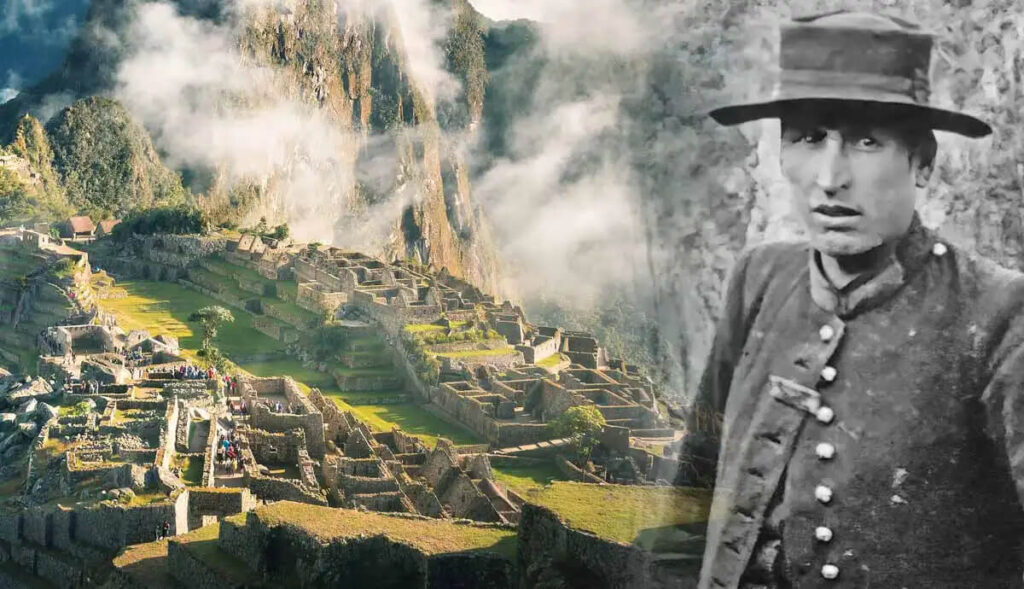
Machu Picchu, often dubbed the “Lost City of the Incas,” is a monumental testament to the ingenuity and vision of the Inca civilization. Nestled high in the Andes Mountains of Peru, this enigmatic citadel captivates the imagination of travelers and historians alike. Here are some compelling and lesser-known facts about Machu Picchu that underscore its historical significance and alluring mysteries.
1. An Ingenious Architectural Marvel
The construction of Machu Picchu is a striking achievement in architecture and engineering. Built in the 15th century, its structures are composed of precisely cut stone blocks that fit together so snugly that no mortar is required. This method, known as “ashlar,” showcases the Incas’ advanced knowledge of stonemasonry. Remarkably, many of these structures have withstood earthquakes, a testament to their resilient design.
2. A Site with Multiple Purposes
While often romanticized as a royal estate or a religious sanctuary, the true purpose of Machu Picchu remains a subject of scholarly debate. It is believed to have served multiple roles: a ceremonial center, an agricultural hub, and a retreat for the Inca emperor Pachacuti. This multifunctional aspect adds layers to its historical narrative, inviting deeper exploration into its various uses.
3. A City Lost to Time
For centuries, Machu Picchu was obscured from view and largely forgotten by the outside world. Spanish conquistadors did not discover it, leading to its preservation in a secluded environment. It wasn’t until 1911, when American historian Hiram Bingham brought it back into the global consciousness, that the citadel regained its role as a prominent archaeological site. This rediscovery has transformed Machu Picchu into a symbol of cultural heritage and exploration.
4. The Inca Trail: A Journey Through History
Travelers often embark on the famous Inca Trail to reach Machu Picchu, weaving through spectacular landscapes and ancient ruins. This trail, spanning approximately 26 miles, takes hikers across stunning mountain passes and valleys. Each step offers glimpses into the rich tapestry of Inca history. Along the way, visitors encounter smaller archaeological sites, providing a palpable connection to the civilization that once thrived in these mountains.
5. Agricultural Ingenuity
Apart from its architectural grandeur, Machu Picchu is renowned for its innovative agricultural practices. The Incas ingeniously terraced the steep mountainsides, creating a sophisticated irrigation system to cultivate crops like maize and potatoes. This agricultural prowess not only ensured food security but also highlighted their harmonious relationship with the environment. The terraces are still visible today, a testament to their sustainable farming practices.
6. Astronomical Alignments
Experts suggest that Machu Picchu was intentionally constructed with astronomical alignments in mind. The Incas meticulously positioned buildings to observe celestial events, such as solstices and equinoxes. This aspect reveals their advanced understanding of astronomy and its significance within their spiritual framework. The Intihuatana stone, often referred to as the “hitching post of the sun,” is believed to have been used by priests for astronomical observations and rituals.
7. A Cultural Melting Pot
Machu Picchu is not merely an Inca relic; it reflects a confluence of cultures and influences. The site’s architecture exhibits features that hint at amalgamated styles, intertwining the traditions of various Andean communities. This blending underscores the Inca’s role as an empire that absorbed and adapted diverse cultures, fostering a rich cultural mosaic.
8. Uncovering the Mysteries: Ongoing Research
The allure of Machu Picchu extends to the ongoing archaeological research that continuously unravel its mysteries. Excavations, conducted by various teams, have unearthed artifacts that deepen our understanding of Inca life. Studies of organic materials, such as remains of crops, tools, and textiles, provide valuable insights into daily practices and social organization during the Inca Empire.
9. UNESCO World Heritage Site
Recognizing its cultural and historical significance, UNESCO designated Machu Picchu a World Heritage Site in 1983. This status not only emphasizes its importance but also establishes protective measures to preserve its integrity. The declaration has catalyzed conservation efforts, ensuring that future generations can experience its wonder while mitigating the impact of tourism.
10. The Mystique of the “Wonders” List
Machu Picchu has secured a place on various lists highlighting the world’s wonders, including the New7Wonders of the World, a campaign to promote heritage sites worldwide. This recognition has fueled global fascination, drawing millions of visitors annually. The ethereal beauty and mysterious aura of Machu Picchu continue to captivate hearts and minds across the globe.
11. The Biodiversity Surrounding Machu Picchu
Beyond its historical significance, the region surrounding Machu Picchu boasts a rich biodiversity. Home to a vast array of plant and animal species, the area serves as a vital ecological zone. The convergence of different climatic zones in the Andes creates unique habitats that support species endemic to the region. This ecological diversity adds yet another layer of intrigue to the citadel’s overall mystique.
12. Ongoing Conservation Challenges
Despite its grandeur, Machu Picchu faces significant challenges due to climate change and mass tourism. The delicate balance of preserving this ancient site while accommodating millions of tourists each year remains a pivotal concern. Initiatives are underway to implement sustainable tourism practices that honor the site’s legacy while protecting its future.
In conclusion, Machu Picchu stands not only as an extraordinary architectural and cultural achievement but also as a reservoir of mysteries waiting to be uncovered. It invites exploration and curiosity, encouraging deeper reflection on the Inca civilization and its enduring impact on our understanding of history. Every visit to this enchanting citadel promises to shift one’s perspective and kindle a desire to delve into the past.
FAQ
What is Machu Picchu?
Machu Picchu is a 15th-century Inca citadel located in the Andes Mountains of Peru, known for its sophisticated dry-stone construction and historical significance.
Why is Machu Picchu considered a World Heritage Site?
Machu Picchu was designated a UNESCO World Heritage Site in 1983 due to its cultural and historical importance, highlighting the achievements of the Inca civilization.





Leave a Reply