
Short Answer
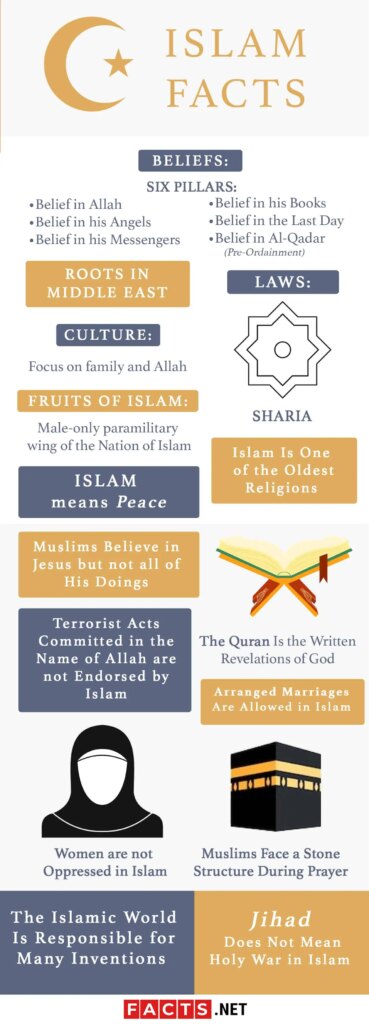
Islam, one of the world’s major religions, is rich in cultural heritage, profound faith, and intriguing traditions. With over 1.9 billion followers globally, this vibrant faith offers a treasure trove of fascinating elements that can shift one’s perspective and pique curiosity. Below are some engaging facts about Islam, its culture, faith, and remarkable traditions.
1. Diverse Interpretations of Faith
Islam is not a monolithic belief system; rather, it encompasses a myriad of interpretations and practices. The two main branches, Sunni and Shia, manifest varying theological beliefs, rituals, and cultural expressions. Sunnis constitute approximately 85-90% of Muslims, while Shias comprise around 10-15%. This diversity extends to their respective cultural heritages, rituals, and even the languages of their prayers and scriptures.
2. The Significance of Arabic
Arabic is more than just a language for Muslims; it is the liturgical language of Islam. The Quran, regarded as the holy text, was revealed in classical Arabic, and it is considered the ultimate guide for Muslims. The linguistic richness of Arabic allows for profound interpretations of meaning, ensuring that the nuances of faith resonate deeply across various cultures. As a result, many Muslims around the world immerse themselves in the study of Arabic to deepen their connection with the Quran.
3. Ramadan: A Month of Reflection
One of the most profound aspects of Islamic culture is Ramadan, the ninth month of the Islamic lunar calendar. Fasting during Ramadan is obligatory for all adult Muslims, serving not just as a physical detox but as a spiritual endeavor. The act of abstaining from food, drink, and personal indulgences from dawn until sunset fosters an acute sense of empathy for the less fortunate. This month-long observance concludes with Eid al-Fitr, a celebratory feast that emphasizes gratitude and community.
4. Pilgrimage to Mecca
The Hajj pilgrimage to Mecca is one of the Five Pillars of Islam, a fundamental devotional practice that unites Muslims globally. Every able-bodied Muslim is required to undertake this pilgrimage at least once in their lifetime, provided they have the financial means. This journey is characterized by a series of rituals that symbolize unity, purification, and submission to God. Remarkably, the sheer scale of Hajj, with millions gathering in Mecca, exemplifies an unparalleled sense of camaraderie and shared faith.
5. The Concept of Zakat
Charity, or Zakat, also constitutes one of the Five Pillars of Islam, embodying the ethical obligation of Muslims to support those in need. Typically, followers are expected to donate 2.5% of their accumulated wealth annually to assist the less fortunate. This practice underscores the importance of community and social responsibility, helping to alleviate poverty and encourage a more equitable distribution of wealth. Zakat is not merely an act of charity but a pivotal tenet that reinforces the interconnectedness of society.
6. Architectural Marvels
The architectural heritage of Islam is marked by breathtaking structures that signify both beauty and faith. Iconic sites, such as the Alhambra in Spain and the Taj Mahal in India, exemplify the intricate artistry that defines Islamic architecture. Features like intricate calligraphy, geometric patterns, and spacious courtyards reflect a profound connection between spirituality and artistic expression. These architectural wonders stand as testaments to the culture’s historical legacy and its impact on global art and design.
7. Intricate Calligraphy
Islamic calligraphy serves both as an art form and a means of spiritual expression. As the depiction of human figures is often avoided in Islamic art, calligraphy takes center stage, beautifully rendering verses from the Quran and sayings of the Prophet Muhammad. Different styles, such as Thuluth and Naskh, have developed over centuries, each showcasing the remarkable dexterity and creativity of its practitioners. This art form transcends the written word, infusing spaces with divinity and reflection.
8. The Role of Women in Islam
The role of women in Islam is multifaceted and often misconstrued. Islam recognizes the dignity and rights of women, emphasizing education and active participation in society. Throughout history, numerous women have emerged as influential figures, scholars, and leaders. The stories of remarkable women, such as Khadijah, the wife of Prophet Muhammad, and Aisha, a prominent figure in early Islamic history, highlight the significance of women’s contributions to the faith and its development.
9. Festivals of Joy and Community
In addition to Ramadan and Hajj, Islam is replete with various festivals that celebrate community and faith. Eid al-Adha, also known as the “Festival of Sacrifice,” commemorates the willingness of Ibrahim (Abraham) to sacrifice his son in obedience to God. The act of sacrificing an animal and sharing its meat with those in need reinforces themes of sacrifice, compassion, and communal bonds. Such festivals facilitate joyous gatherings, transcending cultural and ethnic boundaries to forge strong communal ties.
10. A Rich Culinary Heritage
Islamic culture boasts a diverse culinary heritage influenced by various regions and traditions. From aromatic spices to sumptuous dishes, food plays a crucial role in bringing people together. The practice of consuming halal food, adhering to Islamic dietary laws, is not merely about sustenance but a profound reflection of faith. Traditional dishes enjoyed during Ramadan and other festivals vary widely, showcasing regional flavors and family recipes passed down through generations, enriching both the palate and community ties.
In conclusion, Islam is a religion imbued with a rich tapestry of practices, beliefs, and cultural expressions. The insight into its diverse traditions, ethical obligations, and historical legacies provides a refreshing perspective on a faith that has shaped civilizations and continues to influence billions worldwide. By understanding these multifaceted dimensions, one can appreciate the profound depth that exists within Islam, encouraging greater dialogue and understanding among diverse cultures.
FAQ
What are the main branches of Islam?
The two main branches of Islam are Sunni and Shia, each with its own interpretations and practices.
What is Ramadan?
Ramadan is the ninth month of the Islamic lunar calendar, observed by fasting from dawn until sunset.
What is the significance of the Hajj pilgrimage?
The Hajj pilgrimage to Mecca is a mandatory religious duty for Muslims, symbolizing unity and submission to God.



Leave a Reply