
Short Answer
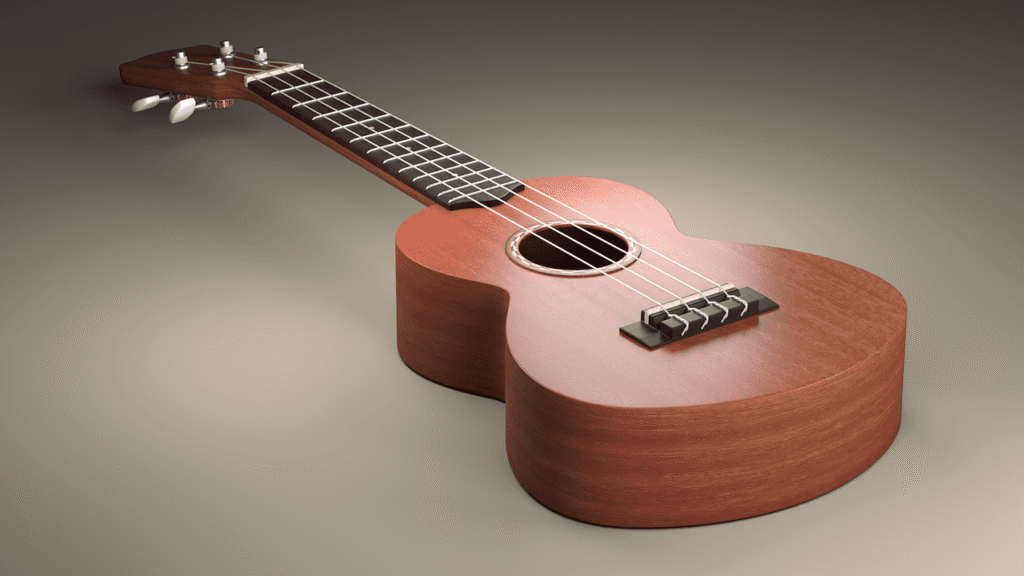
The ukulele, a charming little instrument originating from the Hawaiian Islands, has gained immense popularity across the globe. Its distinctive sound and portability make it an appealing choice for musicians of all ages and skill levels. However, how much do you really know about this delightful instrument? Let’s explore some intriguing facts that showcase the ukulele’s unique character and significant impact on music.
1. A Brief History of the Ukulele
The ukulele’s roots can be traced back to the late 19th century, when Portuguese immigrants brought the braguinha to Hawaii. The locals embraced the instrument, giving it the name “ukulele,” which translates to “jumping flea” in Hawaiian, likely inspired by the movement of fingers on the fretboard. This small shift in geography transformed the braguinha into the versatile ukulele we know today.
2. Types of Ukuleles
There are four primary types of ukuleles, each distinguished by its size and tonal quality: soprano, concert, tenor, and baritone. The soprano, with its bright tone, is the classic ukulele, while the concert offers a slightly deeper sound and larger size. The tenor, known for its warm, rich tones, has gained popularity among advanced players. The baritone, the largest of the four, produces a deeper sound akin to a guitar.
3. The Ukulele’s Cultural Impact
While the ukulele is often associated with Hawaiian music, its influence spreads far beyond the islands. It has woven itself into the fabric of various genres, including jazz, folk, and rock. Iconic musicians like George Harrison, Eddie Vedder, and Jake Shimabukuro have popularized the instrument worldwide, showcasing its versatility and expressive capabilities.
4. Playful and Portable
The ukulele’s compact size makes it incredibly portable. Weighing less than two pounds, it easily fits into a backpack or carry-on, allowing musicians to take their melodies wherever they go. This accessibility enables spontaneous jam sessions, beach parties, and intimate gatherings, making it the quintessential instrument for socializing.
5. Secrets of the Sound
Despite its small stature, the ukulele produces a surprisingly resonant sound. This is attributed to its unique construction, which often includes a hollow body made from various types of wood—most commonly mahogany, koa, and spruce. The choice of wood significantly influences the instrument’s tone, resonance, and overall quality.
6. String Considerations
Ukuleles typically use nylon or gut strings, which contribute to their soft, melodious sound. The standard tuning is G-C-E-A, with the G string tuned higher than the C string, creating a bright, cheerful tone. The process of selecting, changing, and tuning strings can greatly affect the sound of the ukulele, making this an essential consideration for players.
7. Learning Curve: An Accessible Instrument
One of the ukulele’s most appealing qualities is its accessibility. With just four strings and simple chord structures, beginners can learn to play their favorite songs in a matter of hours. This ease of learning is a double-edged sword—while it invites many new enthusiasts, it can also pose the challenge of standing out as an artist. How can one master the instrument and elevate their skills beyond the basics?
8. The Ukulele as a Teaching Tool
Due to its simplicity, the ukulele is often employed in music education. It serves as an excellent introduction to music theory and instrument playing for children and adults alike. Teachers appreciate the instrument’s ability to engage students and its potential to cultivate a lifelong love for music.
9. Ukulele Community and Culture
The ukulele has fostered a passionate global community. From festivals to clubs, enthusiasts gather to celebrate their shared love for the instrument. The annual Ukulele Underground and various local ukulele meet-ups encourage players to collaborate, share techniques, and inspire one another. This vibrant culture enhances the experience of playing the ukulele.
10. Iconic Ukulele Songs
The ukulele has been featured in countless songs across a variety of genres. Classics like “Somewhere Over the Rainbow” and contemporary hits such as “Riptide” have elevated the instrument’s popularity. Its distinctive sound often evokes feelings of nostalgia and happiness, making it a favorite in films and advertisements. Exploring this repertoire can be an exciting challenge for players wanting to deepen their musical journey.
11. Amplification: The Electric Ukulele
In recent years, the ukulele has undergone technological advancement, leading to the creation of electric and electro-acoustic models. These variants allow musicians to amplify their sound, experiment with effects, and explore new sonic boundaries, bridging the gap between traditional playing and modern music production.
12. Embracing Challenges: Mastering the Ukulele
While the ukulele is approachable for beginners, mastering it can be a lifelong pursuit. As players advance, they may wish to explore complex strumming patterns, fingerpicking techniques, and diverse musical genres. Setting personal challenges—such as learning a new song each week or attempting improvisation—can keep the musical experience fresh and rewarding.
Conclusion
The ukulele, with its rich history and cultural significance, serves as more than just a small stringed instrument. It invites individuals to explore their musicality, join a thriving community, and embark on a personal journey of creativity. Whether you’re a novice or an experienced player, embracing the charm of the ukulele presents a delightful challenge worth pursuing.
FAQ
What is a ukulele?
The ukulele is a small, four-stringed instrument from Hawaii, known for its cheerful sound and portability.
What are the types of ukuleles?
The four primary types of ukuleles are soprano, concert, tenor, and baritone, each with distinct tonal qualities.
How do I learn to play the ukulele?
The ukulele is accessible for beginners, featuring simple chord structures that allow new players to learn songs quickly.




Leave a Reply