
Short Answer
Iceland, perched between continents and forged by fire and ice, is a land of extraordinary contrasts. Renowned for its striking landscapes and unique geological features, this Nordic island captivates the imagination of travelers and scientists alike. Below, we explore some intriguing aspects that highlight Iceland’s ethereal beauty and complex natural phenomena.
1. Unique Geological Features
What sets Iceland apart from other countries is its location on the Mid-Atlantic Ridge, where the North American and Eurasian tectonic plates diverge. This geological peculiarity results in a vibrant display of volcanic activity, making the island a hotspot for geothermal phenomena. The frequent eruptions, such as those of Eyjafjallajökull in 2010, often ignite global awareness and fascination with Earth’s inner workings.
2. A Land of Fire and Ice
Iceland lives up to its name, boasting both fiery volcanoes and glistening glaciers. In fact, it is home to Vatnajökull, the largest glacier in Europe by volume, which envelopes about 8% of the country. Conversely, the fiery landscape, punctuated by over 130 volcanoes, creates a vivid image of nature’s temperamental beauty. This duality draws tourists eager to witness both flaming lava flows and the serene beauty of ice caps.
3. The Midnight Sun Phenomenon
During the summer months, particularly from late May to mid-July, Iceland experiences a phenomenon known as the Midnight Sun. This marvel means that the sun does not set, providing nearly 24 hours of daylight. This endless twilight promotes a vibrant atmosphere, encouraging both locals and visitors to engage in outdoor pursuits such as hiking and exploring the breathtaking fjords.
4. The Northern Lights
As a counterpoint to the Midnight Sun, the enchanting Northern Lights, or Aurora Borealis, dazzle the Icelandic sky from late September to early April. The vivid displays of greens, purples, and reds dance across the heavens, captivating all who gaze upon them. This natural wonder draws enthusiasts from around the globe, eager to witness a celestial ballet that speaks to the mystical allure of the natural world.
5. A Volcanic Playground
Iceland is home to some of the most active volcanism in the world. The unique conditions allow visitors to venture into volcanic craters, hot springs, and lava fields that appear otherworldly. Sites such as the Blue Lagoon, a stunning geothermal spa, illustrate how the island’s volcanic activity has shaped both its environment and leisure culture. Visitors soak in mineral-rich waters, merging relaxation with natural wonder.
6. Natural Hot Springs
The geothermal activity not only fuels volcanic eruptions but also creates a network of natural hot springs. With an abundance of options, including the famous Blue Lagoon and countless hidden gems, locals often utilize these natural baths for relaxation and socialization. The warmth of the springs in a land of ice underscores the nurturing relationship between the people and their environment.
7. Diverse Ecosystems
Iceland’s landscapes are surprisingly diverse, hosting ecosystems that range from lush valleys to stark volcanic terrains. Each region features a distinct biosphere, supporting flora and fauna adapted to the harsh conditions. Birds, such as puffins and arctic terns, thrive along the coast, while resilient plant species flourish in the tundra, demonstrating the resilience of life in extreme climates.
8. Rich Cultural Heritage
Beyond the geological marvels, Iceland has a rich cultural history deeply intertwined with its natural landscape. Norse sagas, folklore, and traditional music celebrate the country’s connection to the elements. Legends of elves and hidden people add an enchanting layer to the appreciation of the environment, highlighting humanity’s age-old fascination with nature’s mysteries.
9. Spectacular Waterfalls
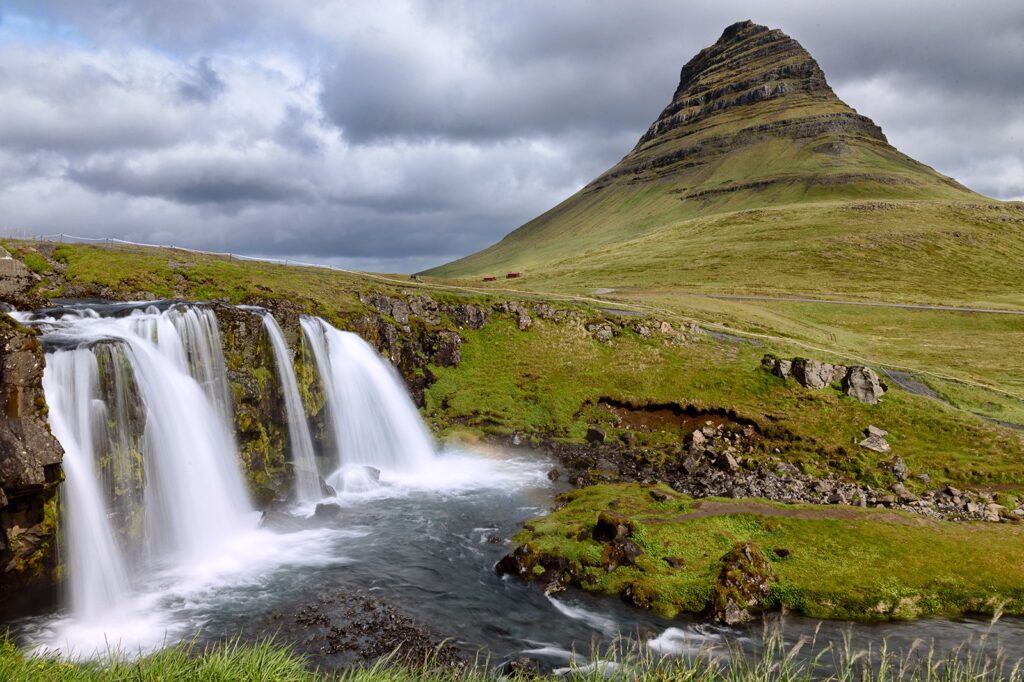
Iceland boasts some of the most majestic waterfalls in the world, each with its unique charm. Gullfoss, known as the “Golden Falls,” cascades dramatically, demonstrating the sheer power of glacial meltwater. Seljalandsfoss offers a rare opportunity to walk behind the waterfall, providing an immersive experience that connects visitors with the raw forces of nature.
10. Sustainable Living and Conservation
Icelanders prioritize sustainability and environmental conservation, driven by their extraordinary connection to the land. The nation harnesses renewable energy, with geothermal and hydroelectric resources powering a majority of its infrastructure. This commitment to sustainability not only preserves the stunning landscapes but also signifies a broader respect for the planet as a whole.
11. Culinary Delights
The culinary scene in Iceland, though influenced by its geography, is rich and varied. Traditional dishes often include fresh seafood, lamb, and dairy products, all of which benefit from the island’s pristine environment. Uncommon ingredients, such as fermented shark and skyr (a type of yogurt), offer a glimpse into the country’s unique gastronomic practices. Food in Iceland serves as a gateway to understanding its cultural identity.
12. A Testament to Isolation and Community
The island’s remote location has fostered a close-knit society, promoting a strong sense of community among its inhabitants. The balance of isolation and camaraderie reflects in their customs, artistry, and shared folklore. Events like Þorrablót, a midwinter festival celebrating traditional foods and culture, underscore the significance of community bonds in navigating the challenges of island life.
In summary, Iceland is much more than just a land of ice and fire. Its epic landscapes, staggering geological phenomena, and profound cultural heritage evoke an almost mythic allure. This unique blend fascinates not only the curious traveler but also anyone who marvels at the intricate tapestry of nature, culture, and the human spirit woven into the very fabric of this extraordinary island.





Leave a Reply