
Short Answer
Crocodiles, often regarded as the quintessential ancient predators, have captivated humanity for millennia. Their formidable presence evokes both fear and fascination, serving as a poignant reminder of the raw ferocity of nature. Below, we delve into a plethora of astounding facts about these remarkable reptiles, illuminating their evolutionary legacy, biological adaptations, and unique behaviors.
The Evolutionary Lineage
Crocodiles belong to the order Crocodylia, which has been around for approximately 200 million years. This lineage predates dinosaurs, showcasing their remarkable resilience and adaptability over countless epochs. They share a common ancestor with birds and dinosaurs, which underscores their position on the evolutionary tree of life. Their survival through mass extinctions is a testament to their hardiness and evolutionary success.
Impressive Anatomical Features
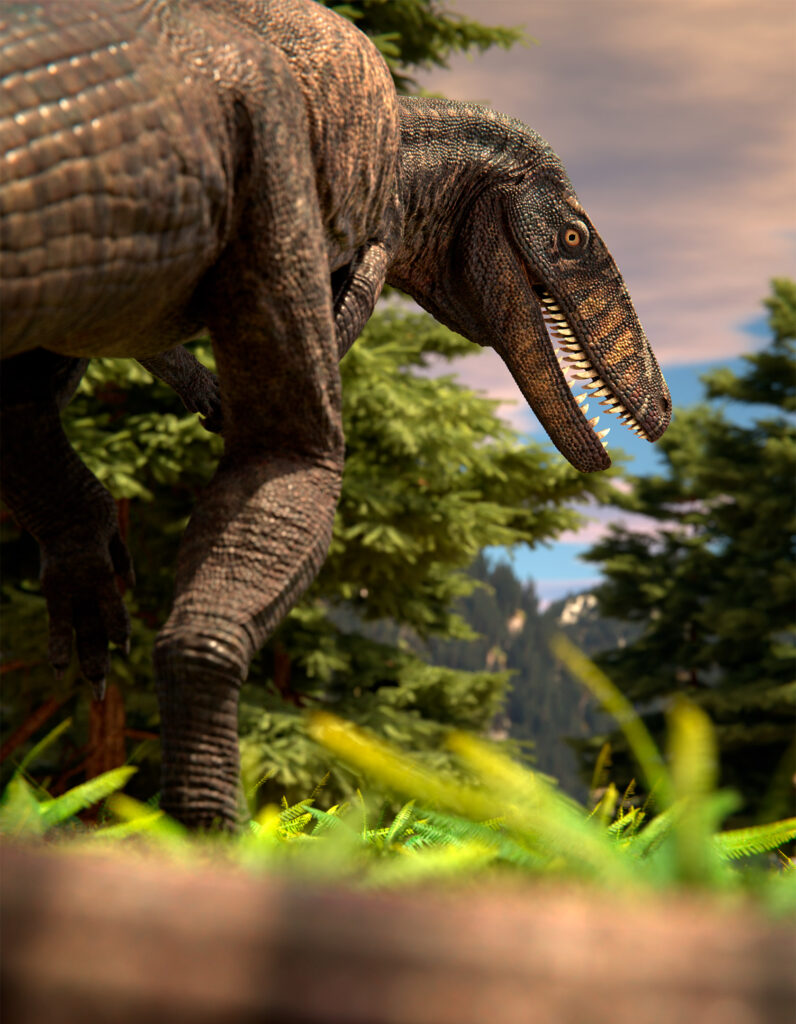
One cannot discuss crocodiles without mentioning their awe-inspiring anatomy. With powerful jaws that can exert an astonishing bite force of over 3,700 pounds per square inch, these reptiles are equipped to tackle prey larger than themselves. Additionally, their elongated snouts possess a unique arrangement of 40 to 60 conical teeth, designed for grasping rather than chewing. This adaptation ensures that once a crocodile captures its prey, escape is virtually impossible.
Furthermore, the integumentary system of crocodiles is fascinating. Their skin is fortified with bony plates called osteoderms, which provide protection against assaults in their swampy habitats. These adaptions not only offer a defensive advantage but also aid in thermoregulation, allowing these reptiles to maintain optimal body temperature.
Habitat and Distribution
Crocodiles thrive in a variety of freshwater and brackish environments, from rivers and lakes to wetlands and mangroves. Their distribution spans across tropical and subtropical regions, with notable populations in Africa, Asia, the Americas, and Australia. This wide-ranging presence is indicative of their ecological versatility, allowing them to inhabit diverse ecosystems while basking in the sun or lurking in shadowy waters.
Exceptional Sensory Capabilities
Crocodiles possess a suite of exceptional sensory adaptations that heighten their predatory prowess. Their eyes are equipped with a reflective layer known as the tapetum lucidum, which enhances night vision. This capability allows them to be effective hunters during low-light conditions, giving them a significant advantage over prey.
Moreover, the sensory pits located on their snouts enable crocodiles to detect minute vibrations in the water. This acute sensitivity helps them ascertain the presence of potential prey or rivals, creating a predatory edge in their environment. Their excellent hearing, even above water, further complements these adaptations, cementing their reputation as apex predators.
Behavioral Adaptations
The social behavior of crocodiles adds another layer to their intriguing nature. Contrary to the notion of solitary existence, many crocodile species engage in complex social interactions. They communicate through a variety of vocalizations, including hissing and growling, which serve to establish territory or warn off intruders. Breeding rituals, particularly during the mating season, are elaborate affairs that involve vocal displays and posturing.
Caring for young is another fascinating aspect of crocodile behavior. Female crocodiles exhibit a nurturing side, meticulously constructing nests and monitoring their eggs until they hatch. Afterward, mothers often transport their hatchlings to the water in their mouths, showcasing an unexpected gentleness in an otherwise ruthless predator.
Dietary Habits
As carnivorous creatures, crocodiles are opportunistic feeders, consuming a varied diet that includes fish, birds, mammals, and even other reptiles. Their hunting strategy is typically ambush-based – a patient wait followed by a rapid, explosive attack. This method not only conserves energy but also maximizes their chances of a successful hunt. Interestingly, crocodiles can survive for extended periods without food, thanks to their slow metabolism.
Moreover, research uncovered that crocodiles exhibit remarkable adaptability in their feeding habits. In times of scarcity, some species have been observed scavenging carrion, showcasing their resourcefulness in exploiting available food sources.
Crocodilian Conservation Challenges
While crocodiles have thrived in numerous ecosystems, they are not immune to the perils of habitat destruction and illegal poaching. Numerous species are now classified as vulnerable or endangered, as human encroachment disrupts their natural habitats. Conservation efforts are essential to ensure the survival of these iconic reptiles, emphasizing the balance needed between human interests and ecological preservation.
Fascination with Crocodiles
The enduring fascination with crocodiles stems not only from their formidable appearance but also from their deep-rooted historical significance and mythological representations in various cultures. These stealthy predators have inspired numerous artistic depictions, folklore narratives, and scientific inquiries throughout history. From ancient Egyptian deities to modern cinematic portrayals, crocodiles continue to intrigue and inspire humanity.
In summary, crocodiles epitomize the essence of ancient predation, seamlessly blending primal instincts with remarkable adaptations. Their evolutionary heritage, anatomical uniqueness, and complex behavior weave a captivating narrative that invites exploration. As guardians of their ecosystems, understanding and conserving crocodiles remains paramount, ensuring that future generations can marvel at these living fossils for years to come.





Leave a Reply