
Short Answer
Alaska, often dubbed the “Last Frontier,” stands as a testament to nature’s unbridled magnificence. This enchanting expanse, characterized by vast wilderness and whimsical landscapes, has captured the imagination of adventurers and dreamers alike. Here are ten intriguing facts about this icy wonderland that highlight its unique appeal.
1. A Land of Extremes
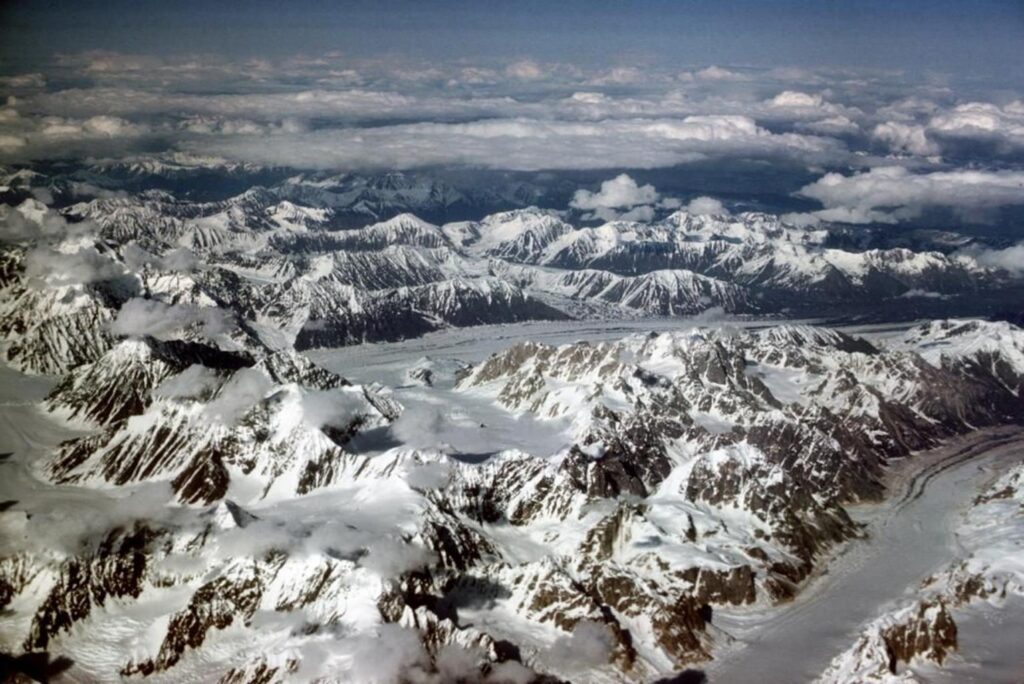
Alaska is the largest state in the U.S., sprawling over 663,300 square miles. To put that into perspective, it is larger than the next three largest states combined: Texas, California, and Montana. The Alaskan terrain varies dramatically—from towering mountain ranges like the formidable Denali to sprawling tundras and picturesque coastlines. Such extremes contribute to its reputation as a land where nature flaunts her grandeur, often with breathtaking views that stretch beyond the horizon.
2. The Midnight Sun
During the summer solstice, the sun does not set for nearly 24 hours in northern regions of Alaska, offering a magical phenomenon known as the “Midnight Sun.” The vibrant glow of the sun overhead casts a surreal glow over landscapes and invites an array of outdoor activities. This constant daylight is more than a mere spectacle; it alters life rhythms, inspires artistic expression, and imbues a sense of ethereal wonder.
3. A Symphony of Glaciers
Alaska is home to over 100,000 glaciers, which together cover approximately 5% of the state. Glaciers are alive; they creak and groan as they advance, carving the land in their slow yet relentless wake. The iconic Glacier Bay National Park showcases these stunning ice formations, offering visitors a chance to witness calving glaciers that release thunderous booms as they break apart, a dramatic display of nature’s power.
4. The Last Great American Wilderness
With over 60% of its land designated as public land, Alaska retains a wilderness status that is increasingly rare in the modern world. This vast expanse is a refuge for diverse wildlife, including majestic grizzly bears, elegant moose, and the elusive lynx. National parks such as Denali and Wrangell-St. Elias preserve not just the land, but also the delicate balance of ecosystems that thrive within its boundaries, exemplifying the ultimate struggle between man and nature.
5. The Rich Cultural Tapestry
Alaska’s cultural heritage is as diverse as its landscapes. The state is home to over 200 different Indigenous tribes, each with its own distinct traditions, languages, and stories. The connection between Alaska Natives and their land is profound, a narrative interwoven with respect for nature and sustainable living. Festivals celebrating Native culture, like the Sitka Jamboree and the Anchorage Market, offer insights into age-old traditions and a glimpse of the vibrant community spirit.
6. Biodiversity Beneath the Ice
Many may associate Alaska with icy landscapes, but beneath the frozen surface lies a bustling marine ecosystem. The Bering Sea, famed for its rich biodiversity, hosts an abundance of life, including sea otters, northern right whales, and the formidable orca. These waters are a crucial part of the Alaskan identity, supplying local communities with food and supporting industries vital to the state’s economy. This aquatic realm acts as both a cradle of life and a vital resource that sustains countless inhabitants.
7. Long Polar Nights
Conversely, during winter months, Alaska experiences long nights where the sun disappears for hours, giving rise to the captivating phenomenon known as the Northern Lights. The aurora borealis transforms the night sky into a kaleidoscope of vibrant colors, dancing across the horizon in exquisite patterns. This surreal event has enthralled inhabitants and travelers alike, sparking tales of mystique and wonder, as well as scientific curiosity about its origins.
8. The Cry of the Wild
Adventure in Alaska takes on myriad forms, from the summit of Denali, the highest peak in North America, to the rugged trails through the Kenai Peninsula. Hiking, kayaking, and dog sledding offer a direct communion with nature, where thrill-seekers can fully immerse themselves in Alaska’s rugged beauty. For those who seek solace rather than adventure, the stillness of the vast wilderness presents an invitation to reflect and rejuvenate amidst frozen silences.
9. Human Resilience in the Face of Nature
Life in Alaska is synonymous with resilience. Communities have adapted to extreme cold and minimal daylight, exemplifying human fortitude. The annual Iditarod Trail Sled Dog Race embodies this spirit, testing both the dogs and their mushers in a grueling 1,000-mile journey across treacherous terrain. This extraordinary event is more than just a race; it is a celebration of culture, tenacity, and the deep bond between humans and their canine companions.
10. A Living Laboratory
Alaska’s climate is a barometer for global climate change, making it a critical area for scientific research. Glacial retreat, permafrost thaw, and wildlife migration are observed here with keen interest, as they hold clues to the environmental shifts affecting the planet. Researchers from around the world converge on this icy kingdom in hopes of understanding broader ecological trends, positioning Alaska as a living laboratory of sorts, where the effects of humanity’s footprint can be studied in stark clarity.
In conclusion, Alaska is not merely a destination; it is an experience that challenges perceptions of beauty, wilderness, and survival. This state, with its grand landscapes and vibrant cultural heritage, invites exploration and reflection, leaving an indelible mark on all who venture into its icy embrace.
FAQ
What is the largest state in the U.S.?
Alaska is the largest state in the U.S., covering over 663,300 square miles.
What phenomenon occurs during the summer solstice in Alaska?
The Midnight Sun occurs, where the sun does not set for nearly 24 hours in northern regions.
How many glaciers are found in Alaska?
Alaska is home to over 100,000 glaciers.





Leave a Reply