
Short Answer
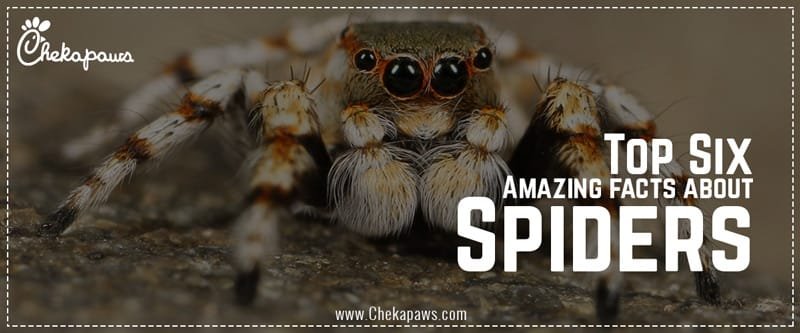
Spiders are often misunderstood creatures that evoke a mix of fascination and fear among humans. With their eight legs and sometimes menacing appearance, they stir up a range of emotions. Yet, beneath their eerie exteriors lies a fascinating world of biological marvels. Here are 10 amazing facts about spiders that reveal their creepy, cool, and captivating nature.
1. A Diverse Family: Over 48,000 Species
Spiders belong to the class Arachnida, which encompasses an astonishing diversity with over 48,000 identified species worldwide. From the diminutive Patu digua, which measures a mere 0.01 inches, to the towering Goliath birdeater, with a leg span of up to 11 inches, this class is home to an astounding range of sizes, colors, and behaviors. Each species has adapted uniquely to its environment, showcasing the incredible versatility and evolutionary ingenuity of spiders.
2. Silk Sensation: Nature’s Versatile Material
Spiders are renowned for their silk production, capable of creating webs, egg sacs, and even parachutes. The silk is composed mostly of proteins, with properties that make it strong, elastic, and lightweight. Some species can produce multiple types of silk, each with specialized functions: for example, some silk is sticky for capturing prey, while others are extremely durable for building long-lasting webs. Scientist marvel at this biological innovation, often attempting to replicate spider silk for use in medicine and materials science.
3. Masterful Architects: Web Design
The architectural prowess of spiders is exemplified in the intricate designs of their webs. Orb-weavers create iconic circular webs with radial symmetry, while funnel-web spiders construct conical retreats that ambush unwitting prey. These web designs serve not only for trapping insects but also for courting mates. Entomologists study these structures meticulously to understand their purpose and efficacy in capturing diverse prey species.
4. Predatory Prowess: Unique Hunting Techniques
Not all spiders rely on webs to catch their meals. Some, such as wolf spiders, are adept hunters that stalk and ambush their prey. Others, like the jumping spider, exhibit remarkable visual acuity and pounce with stunning agility. Some species, like the spitting spider, can eject a sticky goo to ensnare their victims at a distance. These varied hunting strategies highlight spiders’ adaptability and evolutionary survival tactics, maximizing their opportunities in different ecological niches.
5. Venomous yet Beneficial: Nature’s Pest Control
Many spiders possess venom, which they use to subdue prey. While some species, like the black widow or the brown recluse, have a notorious reputation for their potentially harmful bites, the vast majority of spiders are harmless to humans. In fact, spiders play a critical ecological role by managing insect populations, serving as natural pest control. This aspect of their biology is crucial for maintaining ecological balance and supporting agricultural practices.
6. Reproductive Rituals: A Complex Courtship
Spiders exhibit diverse and captivating courtship rituals. Male spiders often employ elaborate displays or gift-giving behaviors to attract females. Some males may present prey items to demonstrate their fitness, while others perform intricate dance-like movements. After mating, some females engage in sexual cannibalism, consuming their partner. This paradox of attraction and peril has evolved as a means of ensuring genetic propagation and survival of the species.
7. Lifespan Dynamics: Surprising Longevity
Although many spiders have a short lifespan, some species can live for several years. The tarantula, for instance, can live up to 30 years in captivity, illustrating a remarkable durability in the arachnid world. Factors such as environmental conditions, availability of food, and predation significantly influence their lifespan. This longevity challenges the common perception that all spiders are short-lived, presenting a richer narrative about their survival.
8. Colorful Camouflage: Nature’s Tricksters
Coloration in spiders serves various functions, from camouflage and survival to mate attraction. Some species, like the crab spider, exhibit the ability to change color to blend seamlessly with their surroundings, aiding in ambush hunting. Others, such as the peacock spider, sport vibrant hues and patterns specifically to attract mates. These visual adaptations highlight the evolutionary pressures that shape behaviors and survival strategies in the wild.
9. Social Spiders: The Power of Group Living
While most spiders are solitary creatures, some species, like the Anelosimus eximius, exhibit social behaviors, living in colonies that can contain hundreds of individuals. These social spiders share communal webs, cooperate in hunting, and even care for their young collaboratively. This unusual behavior challenges traditional views of arachnid life and offers insights into the complexities of social structures in non-insect species.
10. Cultural Significance: Symbols and Myths
Throughout history, spiders have been imbued with symbolic meanings across various cultures. In mythology, they often represent creativity, patience, and the weaving of fate. From Arachne in Greek mythology to the spider in Native American folklore, these creatures have inspired stories and legends that reflect human values and fears. Their presence in human culture underscores a deep-rooted fascination with the mysterious lives of these eight-legged beings.
In conclusion, spiders are not merely objects of fear; they are extraordinary creatures with a rich tapestry of behaviors and adaptations that merit admiration and curiosity. Understanding these facts about spiders invites a deeper appreciation for their role in our ecosystems and the intricate web of life. Embracing the multifaceted nature of spiders can transform apprehension into awe, revealing the captivating complexity of these remarkable arachnids.
FAQ
What are some unique hunting techniques of spiders?
Spiders use various hunting techniques, such as web-building, stalking, and ambushing their prey. Some, like wolf spiders, hunt actively, while others, like jumping spiders, use their excellent vision to pounce.
Are all spiders venomous?
Yes, all spiders produce venom, but most are harmless to humans. Some, like the black widow, can be dangerous, but the majority play a beneficial role in controlling pest populations.



Leave a Reply