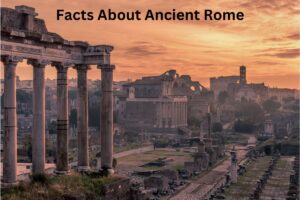
In the sprawling heart of ancient Rome, the Circus Maximus stood as an unrivaled monument to the grandeur of the Roman Empire. It wasn’t merely an arena; it was a vibrant tapestry of culture, politics, and spectacle that defined the lives of its citizens. This immense chariot racing stadium fosters deep-seated fascinations that echo through time, captivating the imagination of historians and tourists alike. Below, we delve into eight ancient facts about Circus Maximus that illuminate not only its architectural marvel and historical significance but also its prominence as a cultural amphitheater in antiquity.
1. Architectural Marvel of the Ancient World
Constructed in the sixth century BCE, the Circus Maximus was an engineering triumph of its era, able to accommodate upwards of 250,000 spectators—an astounding feat considering the total population of Rome at the time. Its elongated oval shape, measuring approximately 621 meters in length and 118 meters across, was designed to maximize visibility and ensure exhilaration for its audience. The structure featured tiered seating, allowing the populous to enjoy the electrifying races while elevating their social status, akin to the modern-day thrill of attending a major sporting event.
2. The Heart of Roman Public Life
The Circus Maximus transcended the realm of mere entertainment; it became a heartbeat of civic life in Rome. Regularly hosting chariot races, public spectacles, and even military parades, it served as a crucial venue for emperors to display their power and the might of the Roman state. Citizens gathered not only for the exhilarating races but also to witness political endorsements, witness triumphal marches, or even partake in religious ceremonies, fostering a sense of community and shared identity amongst the diverse inhabitants of the Empire.
3. The Origin of Chariot Racing
Although chariot racing predated the Circus Maximus, this venue was pivotal in transforming it into an integral component of Roman society. Initially a Greek sport, chariot racing evolved into a uniquely Roman spectacle filled with grandeur and fierce competition. The races epitomized skill and courage, drawing charioteers from all corners of the empire, often transforming them into celebrities. Fans fervently supported their favorites, establishing a culture of adulation that bears striking resemblance to contemporary sports fandom.
4. A Stage for the Unforgettable
In the annals of history, the Circus Maximus witnessed events that would be etched into the collective memory of the Roman populace. Among them, the notorious race of 490 BCE, wherein the charioteer Agrippa emerged victor by a hair’s breadth, was celebrated through poetry and artwork, signifying how intertwined the arena was with the cultural narrative of its time. Such moments united the citizens, reinforcing societal hierarchy while intensifying rivalries, fostering an environment rich with emotions ranging from exuberance to despair.
5. The Symbolism of the Spina
The centerpiece of the Circus Maximus was the spina, a raised platform adorned with sculptures, shrines, and markers for the race. This 1,200-foot median symbolized the tumultuous relationship between life and death, victories and losses. Followers considered the spina sacred, as each lap around it transcended mere competition—it was a ritualistic journey filled with fervent hopes for success or salvation. The careful placement of statues of gods along the spina invited divine favor, inviting a deeper reverence towards the sport and its cultural implications.
6. The Evolution Through the Ages
While the Circus Maximus flourished during the height of the Roman Empire, its story did not end with the decline of Rome. As centuries passed, the arena’s purpose shifted; it fell into disrepair, its stones repurposed for new edifices. In the early modern period, it was remembered more as a relic than a thriving center of activity. Romanticized depictions and literary references revived interest, reconnecting modern citizens with the vibrant history etched in the soils of the arena.
7. Legacy of the Circus Maximus
The enduring legacy of the Circus Maximus has influenced countless modern arenas and stadiums. Its architectural principles resonate in present-day designs, emphasizing spectator experience and communal gatherings. The concept of chariot racing inspired not only the formation of extensive horse-racing circuits but also encapsulated the spirit of competition that permeates modern sports culture. The duality of community celebration and political endorsement witnessed in the Circus continues to manifest in contemporary sporting events, highlighting its long-lasting impact.
8. Archeological Insights
Modern archaeological discoveries have bolstered our understanding of the Circus Maximus, revealing insights into its construction, capacity, and usage over the centuries. Recent excavations uncovered the fascinating remnants of the seating arrangements, decorative motifs, and even the remains of the starting gates, while textual analyses of inscriptions have unveiled the names and stories of prominent charioteers, artists, and emperors associated with the site. Such excavations hint at the rich tapestry of life that once thrived within its confines, prompting ongoing fascination and scholarly inquiry.
As we reflect upon the marvels of the Circus Maximus, we gain appreciation not only for its architectural grandeur but also for its role as a cultural epicenter of ancient Rome. This monumental arena was a crucible of competition, a stage for public life, and an enduring testament to the spirit of an empire. Today, remnants of its past echo in the collective conscience of civilization, revealing why the Circus Maximus continues to garner awe and reverence, bridging the ancient with the modern in an ever-engaging narrative of human history.