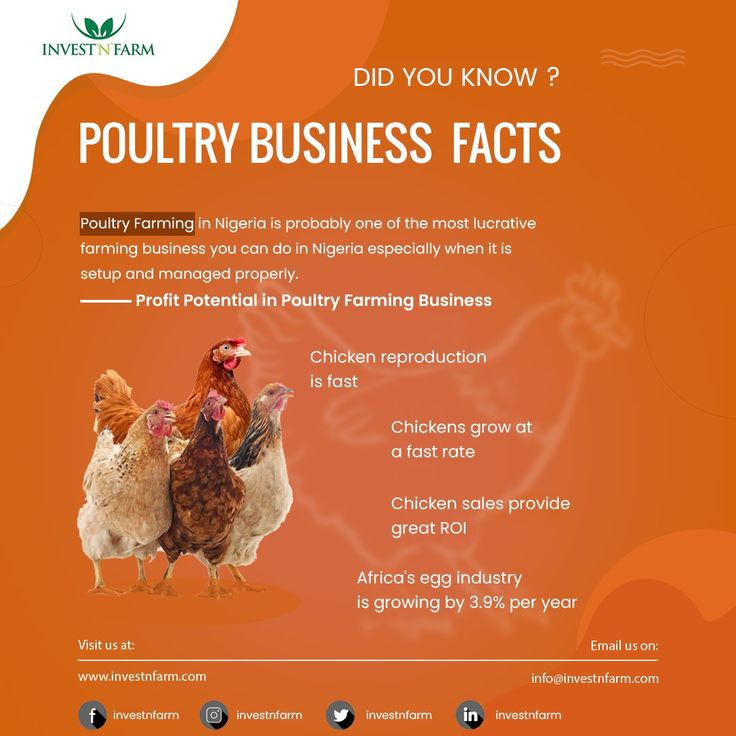
Poultry constitutes a fundamental component of global cuisine, widely consumed for its versatility and nutritional benefits. From chicken to turkeys, ducks to quails, the world of poultry is expansive and merits a deeper understanding. Here are five critical facts about poultry that every consumer should know to make informed choices.
1. Nutritional Benefits of Poultry
Poultry is often lauded for its high protein content, making it a staple in many diets. Chicken breast, for example, is particularly rich in lean protein, which is crucial for muscle development and repair. Moreover, poultry is a source of essential vitamins and minerals, including B vitamins (such as niacin and vitamin B6), phosphorus, and selenium. These nutrients play significant roles in metabolic function and immune response. Additionally, compared to red meats, poultry tends to have lower saturated fat levels, which may contribute to a healthier cardiovascular profile when consumed as part of a balanced diet.
2. Understanding Organic and Conventional Poultry
When exploring poultry options in the market, one comes across various labels, notably the distinctions between organic, free-range, and conventional poultry. Organic poultry is raised without the use of antibiotics or synthetic pesticides and is fed a diet of organic feed. Such practices often appeal to health-conscious consumers looking for natural food sources. In contrast, conventional poultry farming may utilize antibiotics to promote growth and manage diseases in crowded conditions, raising concerns about antibiotic resistance. Free-range poultry, while allowing birds some outdoor access, does not guarantee entirely organic practices. Understanding these classifications can empower consumers to make choices aligned with their health preferences and ethical considerations.
3. The Environmental Impact of Poultry Production
Poultry production has been scrutinized for its environmental footprint. While the ecological impact of poultry is generally lower than that of larger livestock, issues such as land use, water consumption, and greenhouse gas emissions are still pertinent. Poultry farming requires significant freshwater resources, particularly for feed crop irrigation and bird hydration. Furthermore, industrial-scale poultry operations can contribute to local pollution through waste management challenges. The good news is that poultry farming, especially when managed in sustainable systems, can mitigate negative effects. Practices such as rotational grazing and integrated pest management promote better land stewardship and reduce environmental strain.
4. The Importance of Food Safety
Food safety in poultry handling is crucial to prevent foodborne illnesses. Poultry products can harbor pathogens such as Salmonella and Campylobacter. Proper cooking temperatures, typically a minimum of 165°F (74°C), are essential to ensure that harmful bacteria are eliminated. Furthermore, consumers should observe safe handling practices by using separate utensils and cutting boards for raw poultry and other foods to avoid cross-contamination. Regularly washing hands and surfaces with soap and water while preparing poultry can significantly reduce the risk of infection. Being vigilant about food safety not only protects individual health but also contributes to public health outcomes.
5. Emerging Trends in Poultry Consumption
The poultry industry is not static; it evolves with changing consumerpreferences and technological advancements. One notable trend is the rising demand for plant-based alternatives to poultry, often developed using innovative food technologies. These products appeal to vegans, vegetarians, and flexitarians seeking to reduce meat consumption for health or ethical reasons. Additionally, consumers are increasingly interested in local sourcing, with a preference for poultry that is farmed sustainably within their region. This trend not only supports local economies but also reduces the carbon footprint associated with transportation. Another burgeoning trend is the incorporation of advanced breeding techniques that enable the development of poultry strains that grow faster and produce more meat with reduced feed costs.
Poultry remains a vital part of the global food system. Understanding its nutritional profile, the implications of farming practices, environmental effects, safety precautions, and emerging trends equips consumers with the knowledge necessary to navigate this multifaceted industry. With thoughtful choices, consumers can contribute to a sustainable food culture that values health, ethics, and environmental stewardship.