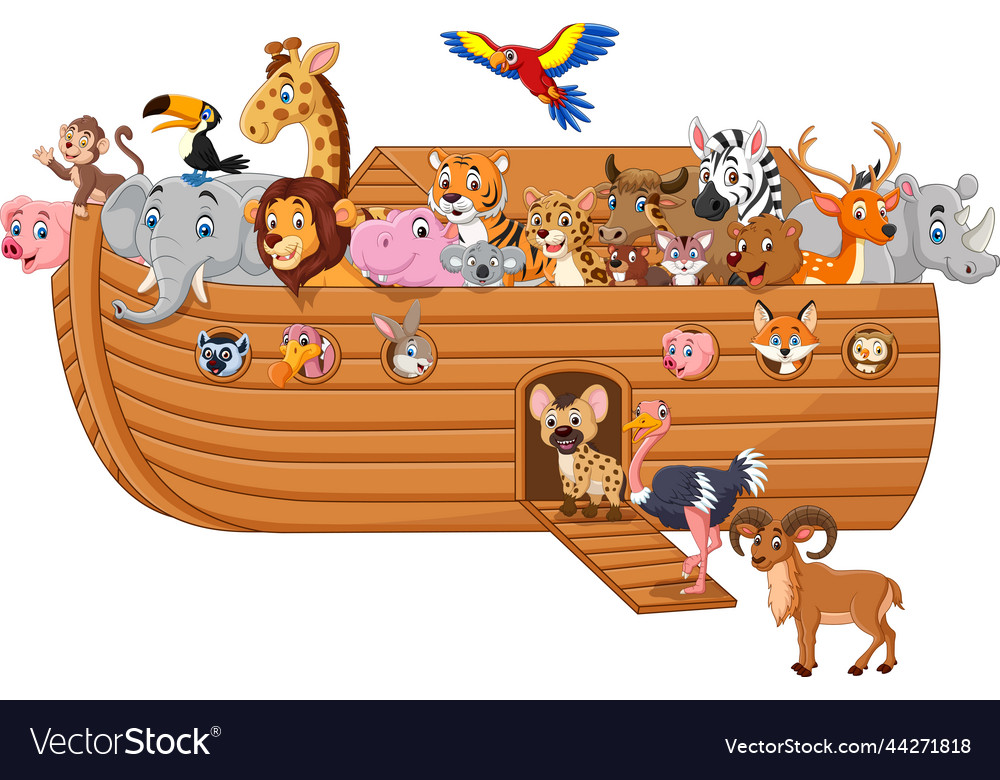
Throughout history, the story of Noah’s Ark has captured the imagination of countless individuals, stirring a deep fascination with themes of survival, divine providence, and the symbiotic relationship between humanity and nature. The narrative, steeped in antiquity, presents numerous intriguing aspects worthy of exploration. Below are 32 facts concerning Noah, the Ark, the animals onboard, and the enduring lessons derived from this extraordinary tale.
1. The Historical Context
The story of Noah is primarily found in the Book of Genesis, specifically spanning Chapters 6 to 9. This narrative is set against a backdrop of increasing human wickedness, prompting divine intervention.
2. Noah’s Righteousness
Noah is described as a just and righteous man in his generation. This unparalleled virtue sets him apart in a world deemed corrupt.
3. Divine Instructions
God commanded Noah to build an ark, providing detailed instructions on its dimensions, materials, and specifications, highlighting historical practicality and divine foresight.
4. Size of the Ark
The Ark was approximately 300 cubits in length, 50 cubits in width, and 30 cubits in height, translating to around 450 feet long—an astonishing size for a vessel of that era.
5. Ark Design
The Ark was designed with three decks, allowing for optimal organization of space for both animals and provisions.
6. Gathering the Animals
Noah was instructed to gather pairs of every kind of animal, both clean and unclean, representing the diversity of life and serving as an ecological safeguard during the deluge.
7. Total Species Aboard
While the exact number of animal species on the Ark is unknown, it is estimated that thousands made the journey, allowing for a significant degree of biodiversity to survive the deluge.
8. The Concept of Two by Two
The familiar phrase “two by two” emphasizes the importance of balance in nature, a concept that resonates with contemporary ecological principles.
9. Male and Female Pairs
The inclusion of both males and females ensures the prospect of reproduction post-flood, underscoring themes of renewal and regeneration.
10. The Duration of the Flood
The deluge lasted for 40 days and 40 nights, which has become a symbolic period representing trial and testing.
11. Mountain of Ararat
After the waters receded, the Ark came to rest on Mount Ararat, a geographical detail that has fascinated explorers and scholars seeking tangible evidence of the event.
12. The Ark’s Legacy
The Ark symbolizes salvation and protective shelter, dictating narratives in various cultures and texts beyond the biblical canon.
13. Rainbow Covenant
The rainbow, as a sign of God’s covenant with Noah, serves as a powerful emblem of hope, serving to remind humanity of divine mercy and the beauty of natural phenomena.
14. Sacrifice and Gratitude
Post-deluge, Noah built an altar and made sacrifices, a gesture of gratitude that reflects ancient practices of worship and thanksgiving.
15. Noah’s Sons
Noah’s sons, Shem, Ham, and Japheth, play significant roles in post-flood civilization, each representing lineage that conspired to populate the earth.
16. The Nephilim
The story also introduces the enigmatic Nephilim—giants resulting from the union of the “sons of God” and “daughters of men,” adding complexity to interpretations of humanity’s origins.
17. Cultural Parallels
Many ancient cultures present flood narratives, suggesting a shared human experience of catastrophe and survival, echoing the themes found in Noah’s Ark.
18. Interpretation Through Ages
Scholars, theologians, and literary figures have interpreted the story of Noah differently over centuries, reflecting shifting moral and cultural paradigms.
19. Ethical Considerations
The account raises profound questions about ethics, justice, and morality—considerations that resonate in today’s societal discourse.
20. Environmental Reflections
Noah’s Ark serves as a metaphor for conservation efforts, encapsulating the urgent need to protect endangered species and sustain biodiversity.
21. The Ark as a Vessel of Community
The Ark’s passengers, both human and animal, exemplify the importance of community and cooperation during challenging circumstances.
22. Artistic Representations
The Ark has inspired countless artistic interpretations, ranging from classic paintings to modern films, underlining its timeless place in cultural narratives.
23. Psychological Impact
The tale of survival offers psychological solace, instilling a sense of resilience in facing adversity—a theme that resonates universally.
24. Ingenious Engineering
Many have studied the Ark’s design, suggesting that it could indeed float and withstand tumultuous waters, showcasing ancient engineering capabilities.
25. Symbol of New Beginnings
For many, the Ark represents rebirth. It embodies the opportunity to start anew after destruction, a narrative resonating with modern rejuvenation stories.
26. Spiritual Reflections
The story encourages spiritual introspection, compelling believers to ponder divine will, human agency, and the nature of faith.
27. Taxonomy and Classification
The diversity of animals on the Ark invites discussions around taxonomy and classification, prompting inquiries into the relationships among different species.
28. The Concept of Stewardship
The narrative espouses the idea of stewardship over creation, urging humanity to maintain and protect the environment for future generations.
29. Flood Myths in Comparative Religion
Examining the shared motifs of flood myths across various religions highlights the universal human endeavor to understand the extraordinary forces of nature.
30. Legacy of Faith
The story of Noah continues to inspire faith communities, serving as a cornerstone of belief in divine providence and the potential for redemption.
31. Deep-Seated Fascination
The enduring allure of Noah’s Ark is not merely in its fantastical elements but in its profound lessons about humanity’s role in nature—a topic that remains relevant today.
32. Reflecting on Human Nature
Ultimately, the tale of Noah and his Ark nudges humanity to reflect on its moral compass, providing lessons that transcend time, inviting reflection on our choices and relationships with the natural world.