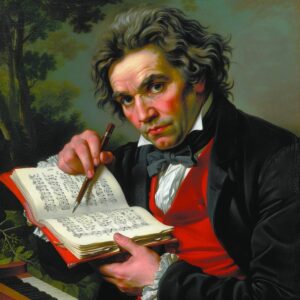
Edgar Allan Poe, a name synonymous with the macabre and the mysterious, has captivated readers and scholars alike for generations. His haunting tales and poignant poetry resonate with an intensity that lingers long after the final word is read. While most people know of Poe as the master of horror and mystery, there exists a depth to his life and work that remains shrouded in enigma. Herein lies a collection of thirty dark yet brilliant facts about Edgar Allan Poe, designed to illuminate the shadows of his existence and augment your appreciation of his literary genius.
1. Tragic Beginnings
Poe’s life was marred by tragedy from the outset. Born in 1809, he was orphaned by the age of three after losing his mother to tuberculosis and his father to abandonment. With no formal guardianship, he was taken in by the Allan family, which sowed the seeds of a conflicting relationship that would haunt him throughout his life.
2. A Tumultuous Relationship with John Allan
John Allan, Poe’s foster father, was a wealthy tobacco merchant who offered Poe opportunities but also subjected him to emotional neglect. Their tumultuous relationship would lead to significant rifts, culminating in Allan’s refusal to support Poe financially during his time at the University of Virginia.
3. The Weight of Debt
Poe’s struggles with debt were a constant companion throughout his life. His penchant for gambling and extravagant spending overshadowed his meager income, forcing him to live in a state of financial instability that deeply affected his mental well-being.
4. A Literary Echo
Poe’s herculean efforts in literary criticism were overshadowed by his creative works. He revolutionized the genre with his analytical approach, heralding a new era in literary criticism where he emphasized the importance of structure and style.
5. Pioneer of the Detective Fiction Genre
While the shadows of horror enveloped Poe, he also pioneered the detective fiction genre with his short story “The Murders in the Rue Morgue.” The analytical prowess of his character C. Auguste Dupin laid the groundwork for future detective stories, influencing writers like Arthur Conan Doyle.
6. The Spiral of Addiction
Poe struggled with alcoholism, which exacerbated his mental health issues and contributed to the deterioration of his personal relationships. His battles with substance dependence were reflective of his inner turmoil and deeply influenced his creative output.
7. The Death of Lenore
The recurring theme of lost love, epitomized by the character Lenore in “The Raven,” was a reflection of Poe’s own experiences with loss. His wife, Virginia Clemm, succumbed to tuberculosis in 1847, profoundly impacting his creative productivity thereafter.
8. Unconventional Marriage
Poe married his cousin Virginia when she was merely thirteen and he was twenty-seven. This relationship, marred by societal scrutiny, was a complex tapestry of love, admiration, and tragedy that left a lasting mark on his works.
9. The Influence of Literary Magazines
In the 1830s, Poe significantly contributed to various literary magazines, shaping public discourse on literature while also grappling with the nuances of commercialism in the literary world—a dichotomy that would influence his future endeavors.
10. A Love for Cryptography
Poe had a fascination with cryptography, which was an uncommon interest among his contemporaries. He even attempted to create an original cipher, demonstrating his penchant for puzzles and codes, much like the complexities found in his stories.
11. The Legacy of “The Tell-Tale Heart”
Considered his most iconic short story, “The Tell-Tale Heart” exemplifies Poe’s exploration of the human psyche. The tale’s unreliable narrator offers insights into madness, capturing the essence of horror as a psychological phenomenon rather than mere superstition.
12. A Constant Struggle for Recognition
Despite his enduring impact on literature, Poe often faced struggles for recognition during his lifetime. His contemporary peers frequently dismissed his work, depriving him of the accolades and support he desperately sought.
13. The Theme of Premature Burial
Poe’s obsession with the idea of being buried alive reflects his anxieties surrounding death. This thematic preoccupation not only reveals his fears but also serves as a psychological lens through which he explores the human experience of mortality.
14. The Mysterious Circumstances of His Death
Poe’s death in 1849 remains shrouded in mystery. Found delirious on the streets of Baltimore, the cause of his demise has been widely debated, with theories ranging from rabies to alcohol poisoning, leaving an enigmatic void in his life story.
15. The Rigor Mortis of His Works
Poe’s posthumous fame contributed to the overarching notion of literary fame post-mortem. His works remained largely unrecognized during his lifetime, only to flourish later and become canonical texts in American literature.
16. The Iconography of the Raven
“The Raven” stands as a haunting testament to the themes of loss and despair. The repeated refrain of “Nevermore” captures the essence of inevitability and resignation, reflecting Poe’s inescapable reality of unfulfilled love and longing.
17. Critique of Romanticism
Poe served as a critical voice against the romanticism prevalent in his time. His embrace of dark themes and grotesque elements offered a counter-narrative to romantic idealism, reinforcing his status as a literary contrarian.
18. A Pioneer of the Gothic Genre
Poe was instrumental in shaping the gothic genre, intertwining terror with profound philosophical questions. His works delve into the sinister aspects of human nature and the existential dread that accompanies the human condition.
19. The Conflicted Poet
Despite his status as a prominent poet, Poe often grappled with self-doubt. His personal struggles permeated his writing, leading to introspective themes that resonate with profound authenticity, a trait cherished by readers across generations.
20. Financial Instability’s Impact
Poe’s financial struggles forced him into a life of constant adaptation. As he traversed various roles—from editor to poet to short story writer—he remained in pursuit of economic viability, often at the cost of his creative vision.
21. An Influential Critic
Poe was not only a practitioner of literature but also a formidable critic. His scathing reviews wielded considerable influence in the literary circles of his time, often dictating the success or failure of contemporary authors.
22. The Candlelight of His Legacy
Poe’s bibliography includes more than just poetry and short stories; his legacy includes essays, journals, and literary critiques that collectively advance the understanding of American literature’s development in the 19th century.
23. The Duality of Fear and Beauty
Poe’s ability to weave together beauty and horror sets him apart from his contemporaries. His work compels readers to confront fear while simultaneously appreciating the intricacies of language and form, resulting in a simultaneous experience of discomfort and allure.
24. Visual Imagery and Symbolism
His striking visual imagery and profound symbolism resonate throughout his works. The raven, the heart, and the various motifs of death and decay serve not only as narrative devices but also as repositories of deeper meanings and reflections on the human condition.
25. The Vitriol of Literary Rivalry
Poe’s caustic relationships with literary peers such as Rufus Wilmot Griswold often colored his legacy. Griswold’s posthumous portrayal of Poe was particularly damaging, leading to a long-lasting misunderstanding of his contributions and character.
26. The Melancholy Muse
Virginia Clemm’s influence on Poe’s writing was profound. Her illness and eventual death catalyzed some of his most haunting and poignant works, as he channeled his grief and anxiety into artistic expression.
27. The Impact of “The Fall of the House of Usher”
This seminal tale epitomizes themes of decay and isolation, mirroring Poe’s personal turmoil. The crumbling mansion serves as a physical manifestation of the psychological decline woven throughout the narrative, enhancing its gothic atmosphere.
28. The Poetics of Repetition
Poe’s strategic use of repetition imbues his poems and stories with a rhythmic quality that enhances their emotional weight. This technique often mirrors the obsessive nature of his protagonists, creating an immersive reading experience.
29. An Enduring Influence
Poe’s impact extends beyond literature; his work has influenced film, music, and visual arts, embedding his spectral ghost into the fabric of modern culture. His themes of horror and the grotesque continue to resonate in contemporary storytelling.
30. The Vulnerability Behind the Gothic Mask
At the heart of Poe’s narratives lies an exploration of vulnerability—the fragility of the human psyche and the tumultuous experience of existence. His ability to articulate the depths of despair and longing allows readers to engage with their own insecurities and fears.
In conclusion, Edgar Allan Poe’s life and works transcend mere literary classification. They offer a glimpse into the complexities of the human experience, intertwining themes of love, loss, and existential dread with a distinct elegance. These thirty facts not only illuminate the dark recesses of his life but also invite readers to delve deeper into his oeuvre, discovering the profound beauty that lies within the shadows of his genius. Each revelation serves as a reminder that poetry and prose can elevate our understanding of the human condition, illuminating paths through the darkness and chaos of life.