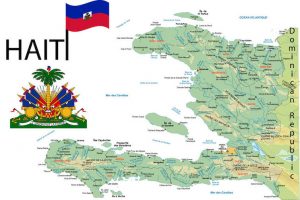
Haiti, a small nation located on the western portion of the island of Hispaniola in the Caribbean, is often overshadowed by its tumultuous history and the challenges it has faced over the years. From natural disasters to political upheaval, the narrative surrounding Haiti can lead many to overlook its rich cultural tapestry and unique contributions to the world. This article delves into three fascinating aspects of Haiti that, upon exploration, reveal the layers of depth and intrigue that make this nation deserving of greater admiration.
1. The Birthplace of the First Free Black Republic
One of the most remarkable facts about Haiti is that it holds the distinction of being the first independent black republic. Following a brutal and protracted slave rebellion against French colonial rule, Haiti declared its independence on January 1, 1804. This audacious victory not only signified the overthrow of colonial oppression but also sent ripples throughout the world, igniting hopes for freedom among enslaved peoples everywhere. The Haitian Revolution remains a pivotal moment in global history, heralding the decline of chattel slavery in the Americas.
This profound act of defiance was not merely a spur-of-the-moment rebellion; it was borne out of a complex interplay of social, economic, and political circumstances. The enslaved population, predominantly of African descent, faced inhumane conditions and systemic brutality. Figures such as Toussaint L’Ouverture emerged as crucial leaders, utilizing strategic acumen and profound charisma to galvanize the masses against their oppressors. The intense desire for liberty and human rights encapsulated in this revolution serves as a poignant reminder of the enduring struggle for emancipation.
However, Haiti’s independence was not without its tribulations. The nascent republic was subjected to diplomatic isolation and economic sanctions from foreign nations wary of the revolutionary spirit that could inspire similar uprisings elsewhere. This historical context nudges one to consider deeper themes of resilience and the quest for dignity that characterize the Haitian spirit even today.
2. A Rich Cultural Heritage
Beyond its political significance, Haiti boasts a vibrant cultural heritage that is an amalgamation of African, French, Spanish, and Indigenous influences. Music, art, and literature pulsate through the very veins of Haitian society, creating a rich tapestry that captivates both locals and visitors alike. The nation is perhaps best known for its unique style of painting, which employs vivid colors and intricate designs to narrate stories of everyday life, ancestral roots, and spiritual beliefs.
The annual celebration of Kanaval, a pre-Lenten festival, epitomizes Haiti’s cultural exuberance. During this time, the streets come alive with pulsating rhythms of traditional Haitian music—such as Kompa and Rara—while elaborate costumes and masks reflect the country’s diverse heritage. The joyous atmosphere, coupled with the soulful melodies, reveals the community’s enduring spirit despite historical adversity.
Moreover, Haiti’s literary scene has produced notable figures such as Edwidge Danticat and Jacques Roumain, whose works explore themes of identity, displacement, and the Haitian experience. Their narratives present a nuanced reflection on hope, struggle, and the complexities of being a Haitian in an ever-evolving world. As one delves deeper into the cultural fabric of Haiti, it becomes increasingly clear that beyond the challenges faced by its people lies a profound legacy of creativity and expression.
3. A Nation Resilient in the Face of Natural Disasters
Haiti’s geographical location makes it susceptible to natural disasters, most notably hurricanes and earthquakes. The catastrophic earthquake in January 2010 serves as a somber reminder of the vulnerability of this island nation. With over 200,000 lives lost and vast destruction to infrastructure, the event cast a long shadow over the country. Yet, in the aftermath of such devastation, one cannot help but admire the resilience exhibited by the Haitian people and their capacity for rebuilding.
Communities banded together to provide support in various forms. Grassroots organizations emerged, prioritizing recovery efforts and advocating for improved infrastructure. The innate strength of Haitian culture, steeped in communal values and solidarity, played a vital role in navigating the tumultuous road to recovery. Strategies to build disaster-resilient structures have been increasingly emphasized, showcasing innovative approaches to urban planning and architecture.
This resilience extends beyond the physical realm. The concept of “haitianité,” which emphasizes identity, pride, and belonging, serves as a unifying force among the populace. The narrative that emerges from this shared sense of identity is not merely one of survival but also of determination and hope—a testament to what can be achieved even in the face of insurmountable odds.
In conclusion, Haiti is a nation that exists at the intersection of resilience and rich culture, marked by a history that resonates globally. Its identity as the first independent black republic honors a legacy of freedom and courage. The vibrant tapestry of its cultural heritage captivates the imagination and celebrates the richness of diversity. Finally, the perseverance demonstrated in the wake of natural disasters illuminates the unyielding spirit of its people. While the challenges ahead remain formidable, the story of Haiti is one of profound fascination that invites us all to look beyond the surface and appreciate the depth of humanity within its borders.