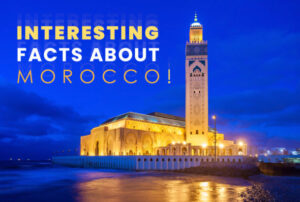
Morocco, a land steeped in history and cultural diversity, offers a myriad of experiences that capture the imagination of travelers and scholars alike. Nestled at the intersection of Europe and Africa, this North African nation boasts a tapestry of influences that are woven through its rich traditions, art, and social customs. Below are three compelling cultural facts about Morocco that shine a spotlight on its heritage, society, and daily life.
1. A Melting Pot of Cultures
Morocco’s unique position has made it a focal point for various civilizations throughout history, leading to a vibrant mosaic of cultural influences. The Berbers, the indigenous people of North Africa, have inhabited the region for thousands of years, contributing their language, customs, and art forms. Alongside the Berbers, Arab invaders brought their own traditions after the 7th-century conquest, further enriching the cultural landscape. This blend is palpable in Moroccan cities, particularly in Marrakech and Fez, where traditional Berber architecture meets Islamic artistry.
Visitors can observe the amalgamation of cultural influences in daily life, such as during the bustling souks (markets) filled with artisan crafts that reflect both Berber and Arab aesthetics. The intricate tile work, known as zellige, and ornate wood carvings are exquisite testaments to the country’s architectural prowess. Moreover, the Moroccan cuisine—a delightful fusion of spices, ingredients, and cooking techniques—is encapsulated in iconic dishes like tagine and couscous, showcasing the land’s agricultural bounty and multifaceted heritage.
This cultural synergy extends to the music scene, where sounds of traditional Berber folk songs intermingle with the evocative rhythms of Andalusian music brought in from Spain. Festivals, such as Gnaoua World Music Festival, celebrate this musical diversity, further highlighting Morocco’s position as a cultural nexus.
2. The Significance of Hospitality
In Morocco, hospitality is not merely a social nicety; it is a deeply ingrained societal value that reflects respect, warmth, and communal spirit. When visiting a Moroccan home, one can expect to be greeted with open arms and offered mint tea, a ritual that symbolizes friendship and hospitality. This practice transcends mere politeness; it conveys a profound sense of connection and community.
Teatime rituals serve as an essential cultural framework for Moroccan social life. The preparation of mint tea is an art in itself, requiring skill and dedication. The tea is poured from a height, creating a frothy top, while the sweet taste blends harmoniously with the fresh mint leaves. During this offering, guests engage in meaningful conversation, fostering bonds that may last a lifetime.
Even in more public settings, such as cafés and restaurants, the ambiance is relaxed and inviting, encouraging patrons to linger over their meals and share stories. As such, the culture of hospitality reinforces a sense of belonging and reinforces the fabric of Moroccan society. Events like weddings and festivals demonstrate this ethos at a grand scale, where extravagant displays of generosity are apparent through elaborate feasts and communal celebrations.
3. The Reverence for Arts and Crafts
Art and craftsmanship hold a revered place within Moroccan culture, encompassing a broad spectrum of expressions from textiles to ceramics, and jewelry to calligraphy. Artisanship is celebrated as a vital aspect of Morocco’s identity, characterized by a commitment to traditional techniques that have been passed down through generations.
One of the most striking art forms is the intricate tilework that adorns mosques and public spaces. Known for their geometric precision and vibrant colors, these tiles are not only functional but also serve to beautify the surroundings. The medinas of major cities are a veritable treasure trove of local artisans, where one can observe the meticulous processes involved in creating leather goods, handwoven carpets, and delicate ceramics.
Moreover, the Craftsmanship of the Amazigh, or Berber people, manifests in their vibrant textiles, each piece often carrying deep symbolic meanings connected to history and identity. The traditional weaving techniques used in creating blankets, rugs, and garments reflect a close relationship with the environment and a storytelling prowess that infuses cultural significance into every stitch.
Exhibitions and galleries, such as those found in the enchanting city of Essaouira, offer an opportunity for artisans to showcase their work, often in collaboration with international artists. This continual exchange promotes a modern interpretation of traditional crafts, allowing Morocco’s rich legacy to thrive while adapting to contemporary tastes.
In conclusion, Morocco is a treasure trove of cultural depth and richness, from its historical tapestry woven from diverse influences to its warm hospitality and profound appreciation for arts and crafts. Each facet of Moroccan culture invites curiosity and relish, offering both visitors and locals an opportunity to engage deeply with the nation’s cultural heritage. Whether exploring vibrant souks, partaking in tea rituals, or marveling at the artisans’ creations, one cannot help but be enchanted by the narrative that Morocco unfurls—a narrative steeped in history, community, and artistry.