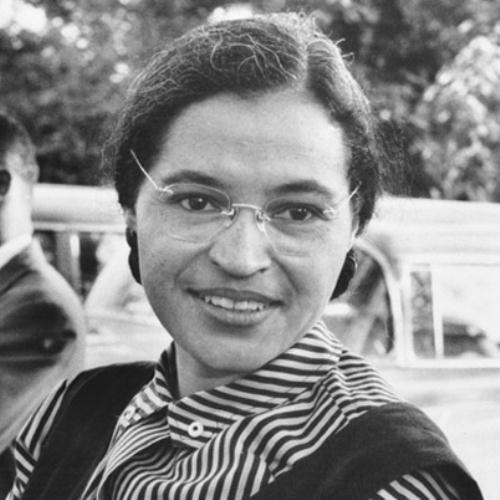
Rosa Parks, often heralded as the “mother of the civil rights movement,” is a figure whose act of defiance against racial injustice continues to inspire generations. As we delve into her life and legacy, here are 20 intriguing facts that illuminate her courage, impact, and the enduring nature of her contributions to society.
1. Early Life Challenges
Born on February 4, 1913, in Tuskegee, Alabama, Rosa Parks faced systemic racism from an early age. Her family, including her mother, a schoolteacher, and her grandfather, a carpenter, instilled in her the importance of education and dignity amidst adversity.
2. An Influential Education
Parks’s educational journey took place at a segregated school. She later attended the Industrial School for Girls in Montgomery, where she was exposed to ideas about civil rights and social justice that would shape her activism.
3. Employment and Activism
In the 1940s, Parks worked as a seamstress and became involved with the local branch of the National Association for the Advancement of Colored People (NAACP). As a secretary, she was instrumental in organizing the fight against racial injustices in Montgomery.
4. The Fateful Day on the Bus
On December 1, 1955, Parks made history when she refused to give up her seat to a white man on a city bus in Montgomery. This act of resistance was not merely spontaneous; it was a culmination of years of frustration with racial discrimination.
5. Arrest and Outrage
Her resultant arrest sparked outrage within the African American community. It served as a catalyst for the Montgomery Bus Boycott, a pivotal event that aimed to dismantle racial segregation in public transportation.
6. The Montgomery Bus Boycott
Lasting over a year, the boycott was characterized by the collective action of African Americans in Montgomery, who abstained from using buses, thereby impacting the city’s economy. The boycott became a symbol of peaceful protest against racial oppression.
7. Legal Battles
The boycott led to a legal confrontation that culminated in a Supreme Court ruling declaring segregation on public buses unconstitutional. This landmark decision marked a significant victory for the civil rights movement.
8. Collaborating with Icons
Parks worked closely with notable figures, including Martin Luther King Jr., who emerged as a leader through the boycott. Their partnership exemplified the unification of various civil rights strategies, blending grassroots activism with organized leadership.
9. National and International Recognition
As Parks’s name became synonymous with civil disobedience, she gained recognition beyond the United States. Various awards and honors, including the NAACP’s Spingarn Medal in 1979, acknowledged her immense contributions to human rights.
10. The Rosa Parks Foundation
In 1987, she established the Rosa and Raymond Parks Institute for Self-Development to encourage youth through educational programs, reinforcing the idea that service and activism can originate from personal empowerment.
11. Personal Struggles
Despite her accomplishments, Parks faced significant personal challenges. Following the boycott, she received threats, forcing her to move from Montgomery. These struggles painted a complex portrait of a woman enduring both public acclaim and private turmoil.
12. A Life of Resilience
Parks’s life reflects resilience; she often stated that she was physically tired, but her spirit remained unyielding. Her determination exemplifies the broader struggle of countless African Americans against oppression.
13. Artistic Representations
The legacy of Parks extends into popular culture, where she has been depicted in numerous films, documentaries, and literature, illustrating her profound impact on American society and the ongoing discourse around race relations.
14. Humanitarian Impact
Parks’s advocacy transcended race; she supported various social causes, including gender equality and LGBTQ+ rights. Her unwavering commitment to justice illustrated how personal identity intersects with broader societal issues.
15. Influence on Future Generations
Parks’s story serves as an inspiration to young activists today. Her courage has motivated movements like Black Lives Matter as they continue the fight against systemic racism and injustice, ensuring that her legacy remains vibrant in contemporary discourse.
16. Honors and Memorials
Parks has been honored posthumously with numerous recognitions, including the Congressional Gold Medal and her induction into the Alabama Women’s Hall of Fame. These accolades commemorate her indelible mark on history.
17. Death and Commemoration
Rosa Parks passed away on October 24, 2005, at the age of 92. Her funeral was attended by numerous dignitaries, and her remains were honored with a rare state funeral, reflecting her status as a national icon.
18. The Legacy of Courage
Beyond the specifics of her actions, Parks epitomizes courage. Her story reminds us that ordinary individuals have the power to invoke monumental change through personal conviction and ethical choices.
19. Eternal Symbol of Resistance
Today, Parks’s image is not just that of a simple seamstress but a powerful symbol of resistance against systemic inequality. Statues and memorials worldwide testify to her influence and the ongoing battle for civil rights.
20. A Call to Action
Rosa Parks’s legacy invites each of us to reflect on our roles in promoting justice, equality, and civil rights. Her courage is a clarion call to engage in meaningful dialogue and activism against discrimination in all its forms.
Through these facts, we can appreciate Rosa Parks not merely as an individual lone in her stand but as part of a larger narrative of resilience, justice, and transformative change. Her life’s work continues to resonate, urging modern society to remain vigilant in the pursuit of equality.